
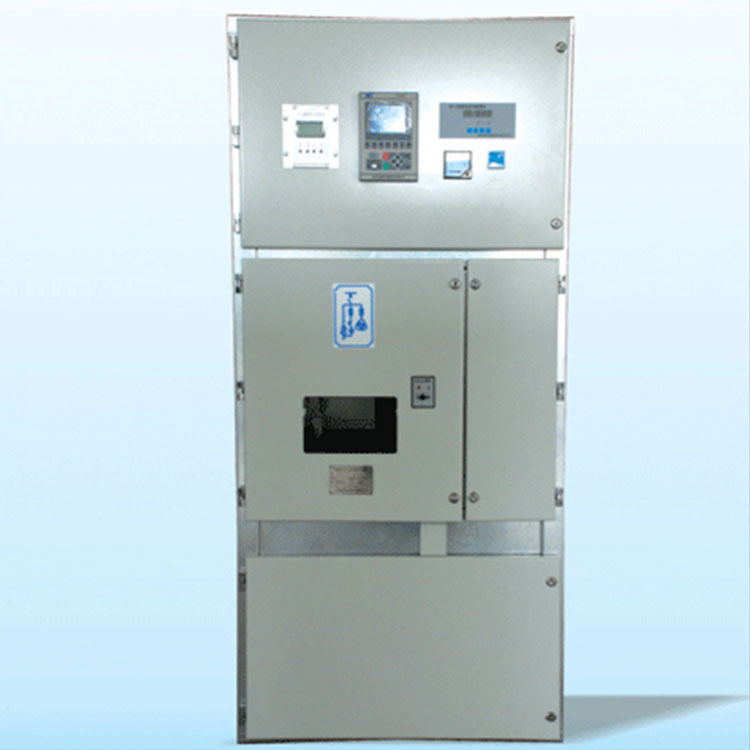
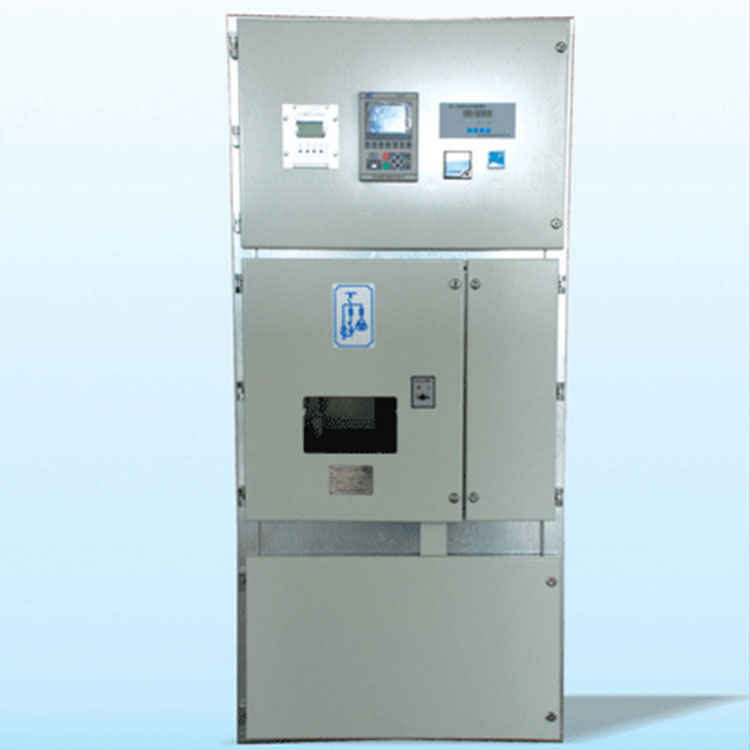

To meet the needs of China's economic and technological development, the construction of the national power grid has entered a fast track in recent years. The State Grid Corporation has established a robust transmission grid with ultra-high voltage AC and DC transmission lines as the backbone. According to the 13th Five-Year Plan for the power grid, the ultimate goal of grid construction is to improve the quality of electricity at the end-user side, placing greater emphasis on the construction of medium and low-voltage distribution networks. With the development of China's politics, economy, and science and technology, the number of important and key load users is increasing, including sectors like aerospace, various high-tech precision industrial parks, and banking securities. The sensitivity of load at the end of the power grid is also rapidly increasing, demanding higher quality of electricity. Among them, voltage dips and short-term power outages are the main factors affecting power quality at present. Voltage dips of several cycles can severely disrupt the normal operation of user equipment, thus, uninterrupted power supply switching is essential to ensure continuous and stable electricity supply without voltage dips or short-term power outages.
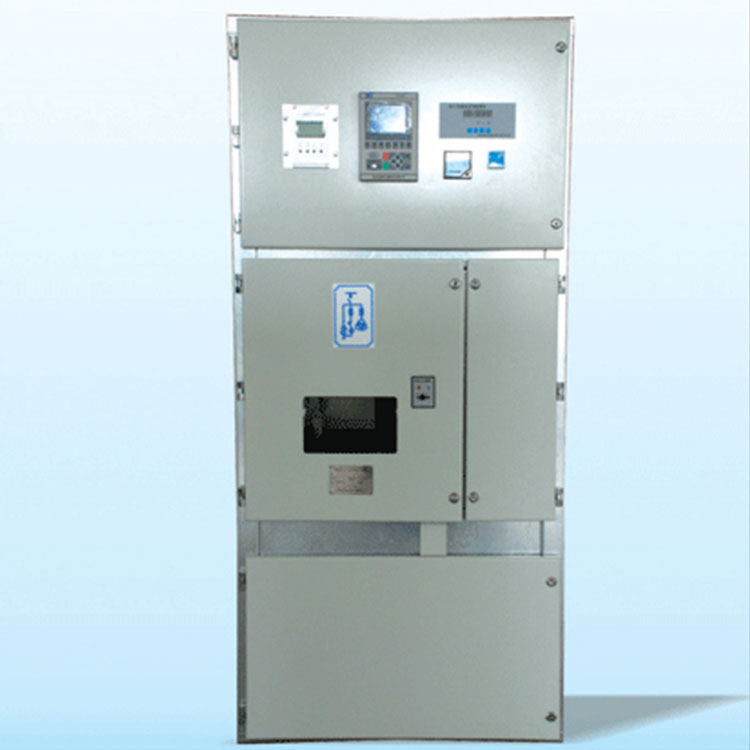
Currently, to enhance power supply reliability and electrical energy quality, a dual-power supply method is commonly employed. To ensure uninterrupted power supply, a rapid switching device is typically used to transfer load users from a faulty bus to a non-faulty bus. It is required that sensitive loads switch from the faulty to the non-faulty power source within 10ms. The core component of the rapid switching device is the switching switch, whose switching speed directly impacts transient electrical energy quality. Generally speaking, rapid switching devices using ordinary mechanical switching switches as components have a switching time of 100ms to 200ms, equivalent to 5 to 10 cycles. However, rapid switching devices with solid-state switching switches (SSTS) as the core component, consisting of thyristor-based power electronic switching switches, although they can meet the stringent requirements of sensitive and critical loads for power supply reliability and electrical energy quality, thyristors will carry a large load current during normal operation, generating significant heat and losses. This necessitates certain cooling measures, which increase system complexity and operational and maintenance costs, reducing the device's efficiency and reliability. Additionally, the comprehensive cost of these rapid switching devices is high, which is不利于 widespread promotion.