


In 3-35kV power grids where the neutral point is not effectively grounded, overvoltage is common due to single-phase intermittent arc grounding and resonance, excluding lightning overvoltage. These overvoltages have high amplitudes and long durations, causing cumulative damage to the internal insulation of electrical equipment. They can also lead to ground breakdown or interphase arcovers at weak external insulation points, triggering short-circuit accidents and causing the explosion of gapless zinc oxide lightning arresters.
Currently, the primary measure to limit arc-over ground overvoltage is still to ground the neutral point of the power grid through an arc-suppression coil. However, the arc-suppression coil cannot limit intermittent arc grounding overvoltage; in fact, due to the presence of the arc-suppression coil, arc re-ignition may occur only at the moment of voltage recovery, leading to a higher arc-over ground overvoltage. The arc-suppression coil cannot compensate for the high-frequency and active components in the grounding current, so high-frequency intermittent arc grounding faults cannot be eliminated. Similarly, the arc at the fault point cannot extinguish itself when the active component exceeds a certain value. Actual operational experience also confirms that accidents caused by arc-over grounding and resonance do occur in 3~35KV power grids grounded through arc-suppression coils.
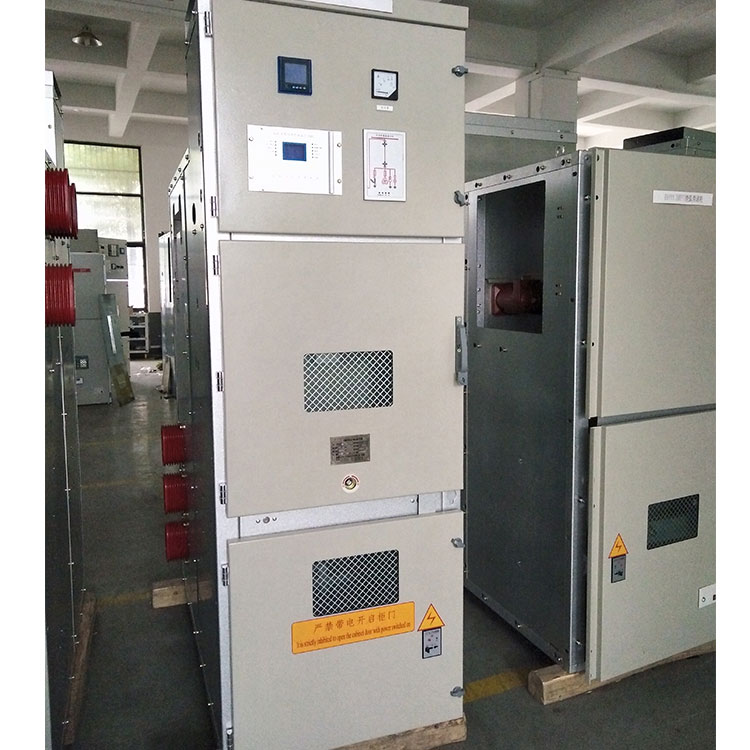
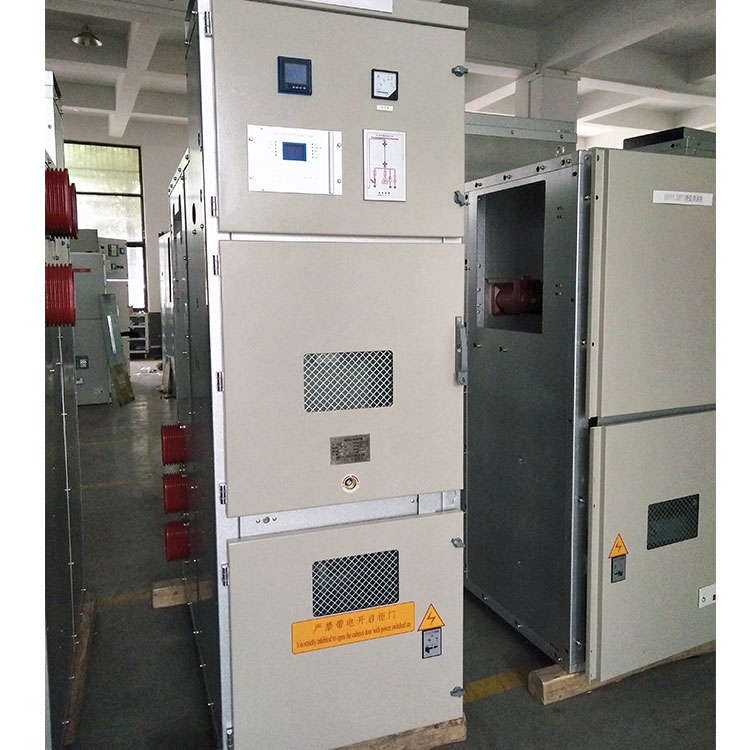
Our product, the "BHG-XHG Arc and Harmonic Elimination and Overvoltage Protection Device," is designed to rapidly eliminate the hazards caused by arc grounding and resonance in the power system to electrical equipment.