
During normal operation of the power generation unit in a power plant, to prevent bearing friction from causing damage due to overheating, the power plant typically supplies the AC speed control system to lubricate the generator's bearings with an oil pump system powered by alternating current. However, when the plant's alternating current...
When the system fails, the factory's battery-powered DC power system must be used to supply power, hence the DC lubricating oil pump system often starts up and is put into operation when the AC power at the power plant fails. As is well-known, the resistance of the armature winding of a DC motor is very low. If it is started directly, the starting current can be about ten times the rated current, which can cause a significant shock to the DC motor and the DC system. The common method to limit the starting current is to start by串联 resistance in the armature winding (2-4 levels), and then progressively remove the starting resistance as the speed increases.
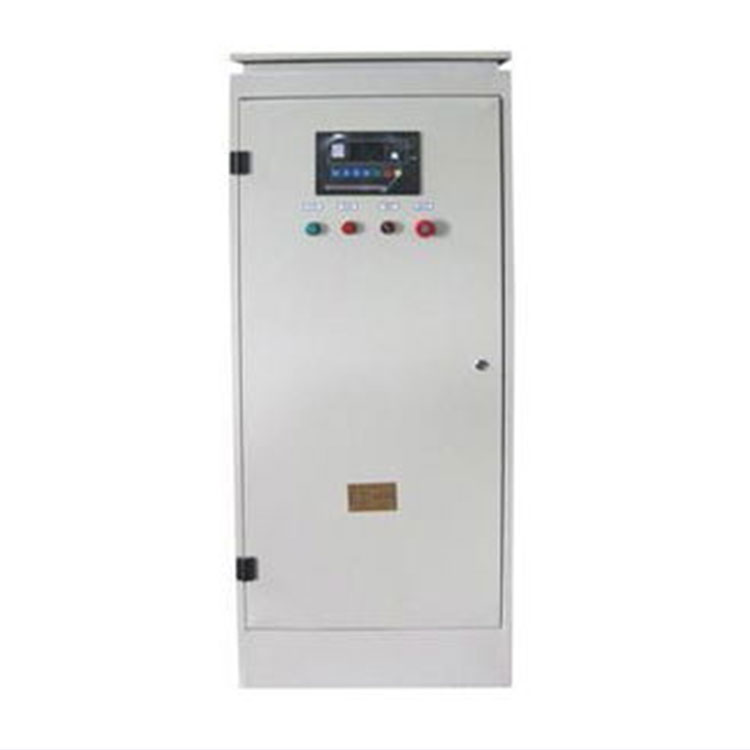
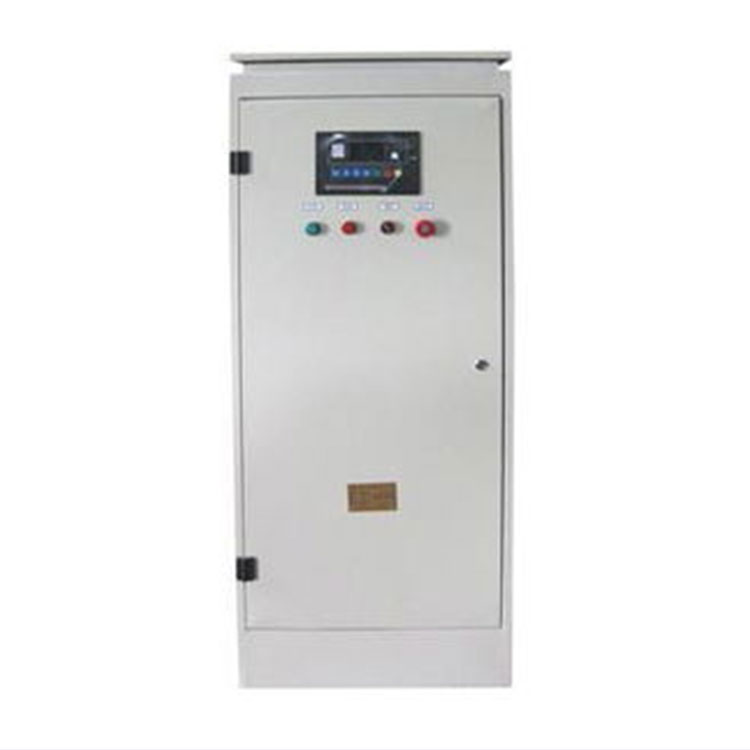
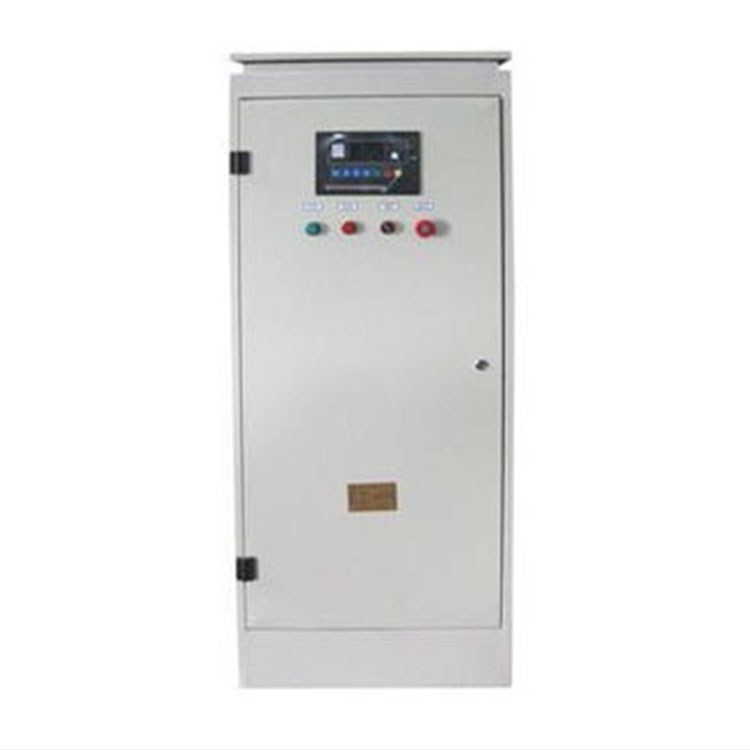
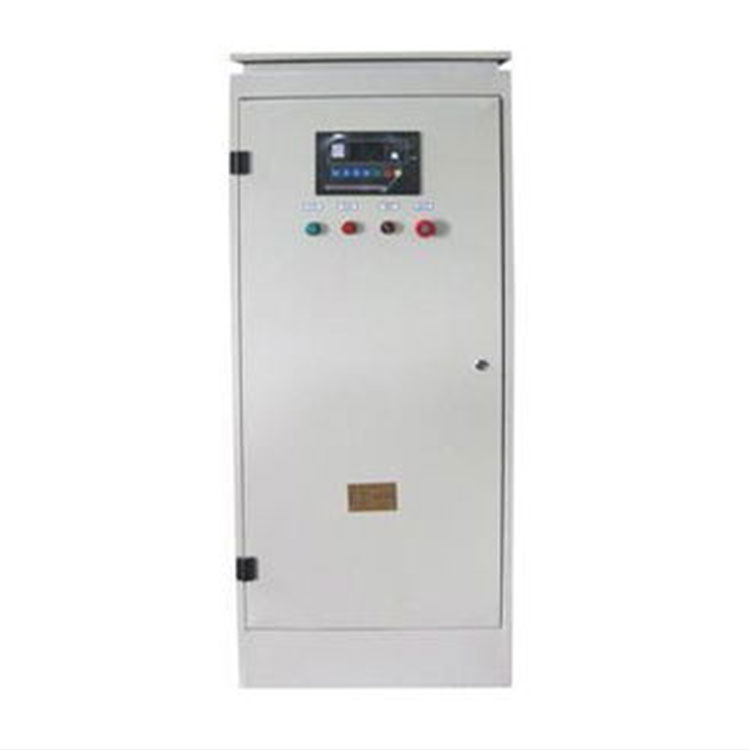
Currently, most power plants adopt this method, generally using intermediate relays and contactors as control elements. The start and stop of the DC oil pump motor are controlled by switching the resistance through the main contacts of the contactor. This method requires a set of contactors and intermediate relays for each stage of resistance removal, resulting in a large number of control elements and numerous intermediate stages, which are highly prone to failure. Moreover, during resistance switching, the absence of a current zero point in DC power causes significant surge power impacts on the DC power supply and motor, affecting the motor's lifespan and significantly impacting the relay protection system. In severe cases, it can lead to false operation of the relay protection device, causing accidents. Additionally, when the oil pump motor shuts down, using a contactor to disconnect the power supply to the DC motor can cause severe arcing between the main contacts due to the inductive load of the motor. As the arc persists for a relatively long time, it leads to severe burn damage and even welding of the contactor terminals, requiring extensive maintenance work and low reliability. Therefore, achieving smooth soft start and stop for DC pump motors is crucial for the reliable operation of the power plant's DC oil pump system. Our technical team, after years of research and testing, has developed the BHG-ZKG soft start control cabinet for DC oil pump motors using a PLC as the control center. This cabinet enables soft start and stop functions under loaded conditions, limits the generation of large surge currents; and has functions for local operation, interlocked automatic operation, and receiving commands from the main control room. It also resolves the electromagnetic compatibility issues caused by the distance between the control cabinet and the DC bus, as well as the high-frequency interference during the motor's start-up process.