
As China's gas pipeline construction enters a new period of rapid development, the pipeline areas are vast and the landforms complex. Gas pipelines are often located in remote, uninhabited areas, making them susceptible to sudden natural disasters such as earthquakes and landslides, which can lead to pipeline breaks and gas leaks. Given the high temperature, high pressure, flammability, and explosiveness of gas pipelines, leaks not only halt pipeline operations but also cause severe environmental pollution, posing a significant threat to the lives and property of local residents. If gas leaks ignite or cause explosions, the consequences could be catastrophic. The main safety risks to pipeline security currently stem from the surrounding environment along the pipeline, including the following aspects:
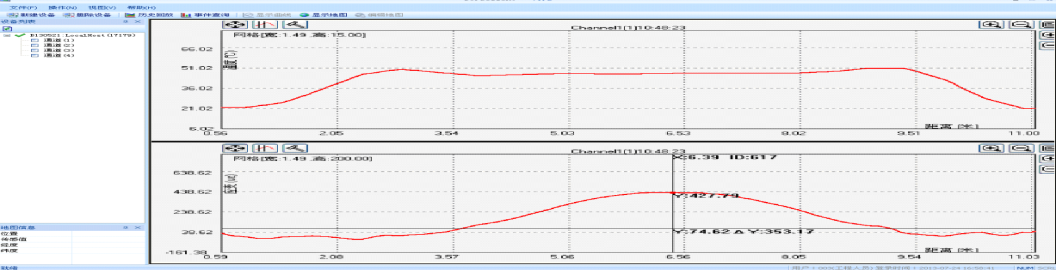
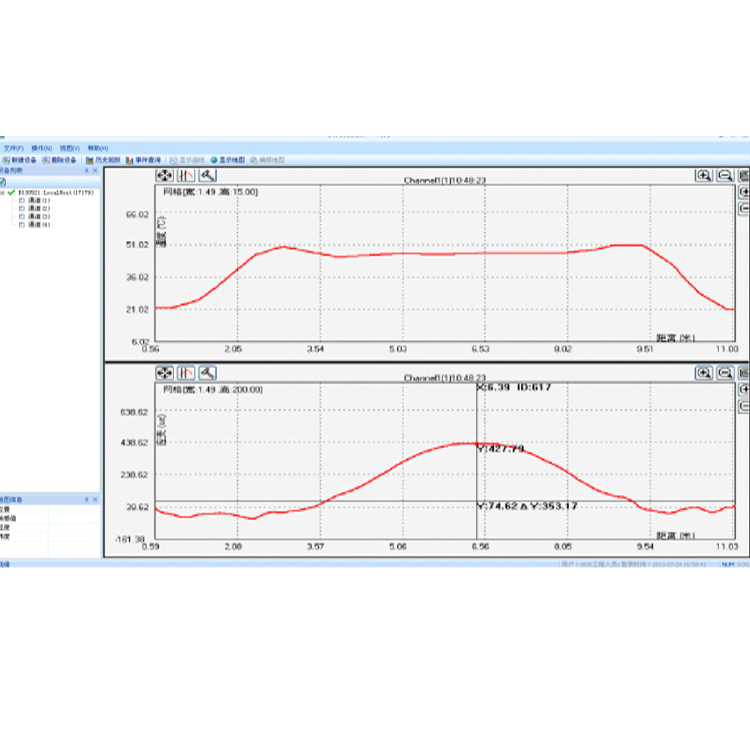
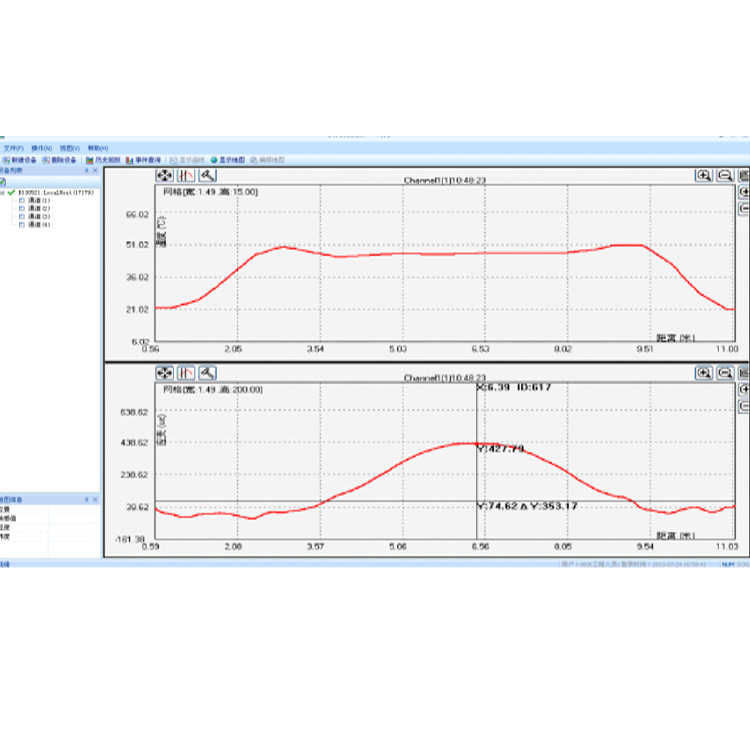
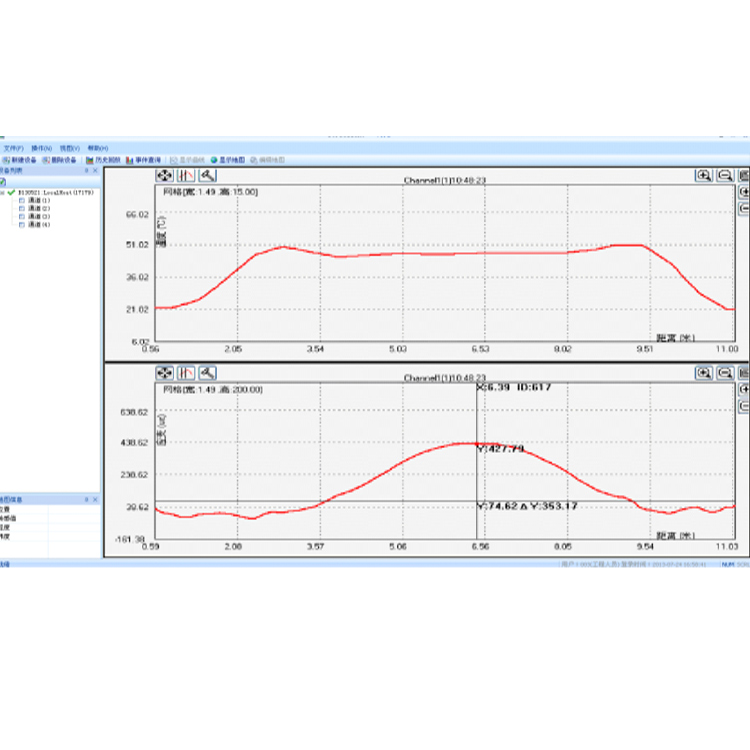
China is one of the countries in the world with severe geological disasters. These disasters are characterized by their variety, widespread distribution, and high frequency. Statistics show that 44.5% of China's land area is threatened by various geological disasters. Over the past fifty years, human activities have increasingly damaged natural geological environments. The predatory exploitation of natural resources and environmental development has led to the deterioration of the geological environment, making landslides, ground subsidence, mudslides, and other geological disasters more frequent. As lifeline projects, high-pressure oil and gas pipelines bear the main task of transporting oil and gas resources. Due to their vast distribution, the natural geographical and geological environments along the route are complex and diverse, inevitably subject to threats and damage from various geological disasters. Once geological disasters occur, they not only cause pipeline deformation, fractures, and extensive damage, leading to oil and gas leaks and pipeline shutdowns, resulting in significant economic losses; they may also trigger fires, explosions, and other accidents, posing severe consequences and adverse impacts on life and property, the natural environment, and social stability. Distributed Fiber Optic Sensing (DFOS) technology is a new type of sensing technology that directly uses communication optical cables laid alongside pipelines as sensors. It takes full advantage of the continuous spatial distribution characteristics of optical fibers, integrating "transmission" and "sensing" into one, enabling the acquisition of physical parameter information at any point along the fiber. It boasts advantages such as rich measurement information, localization, and intrinsic safety. Moreover, compared to traditional electrical sensors, fiber optic sensors, which use light waves as the carrier and optical fibers as the medium, offer high measurement accuracy, resistance to electromagnetic interference, intrinsic safety, compactness, flexibility, and suitability for remote transmission. By laying the detection optical cables parallel to the pipeline, DFOS can obtain real-time temperature and strain information at any point along the pipeline, enabling real-time monitoring of the pipeline's in-situ condition. It has the advantages of long measurement distance, continuous distributed measurement, localization, simple installation, safety and reliability, and strong scalability, without causing any damage to the pipeline or affecting its normal operation, effectively ensuring the safety of pipeline operations.