


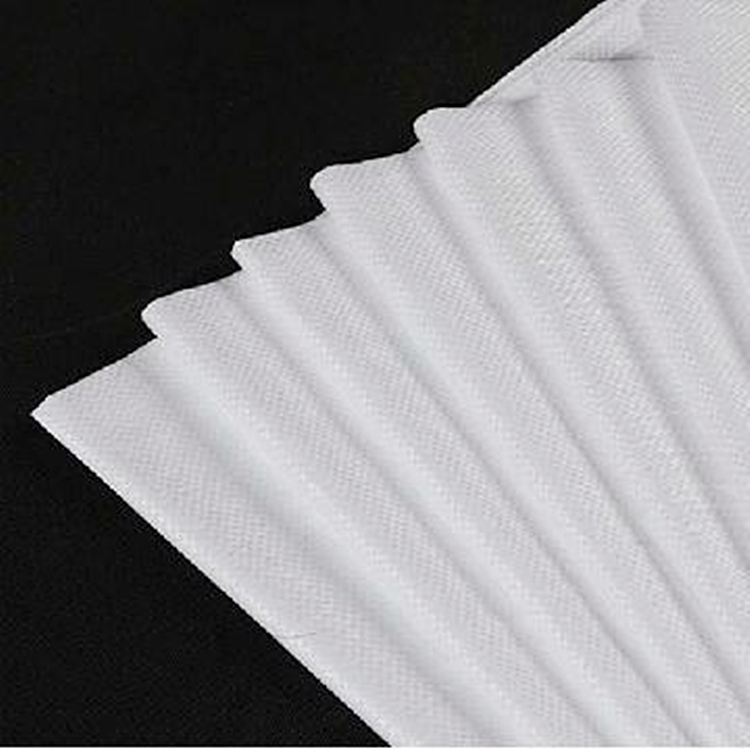

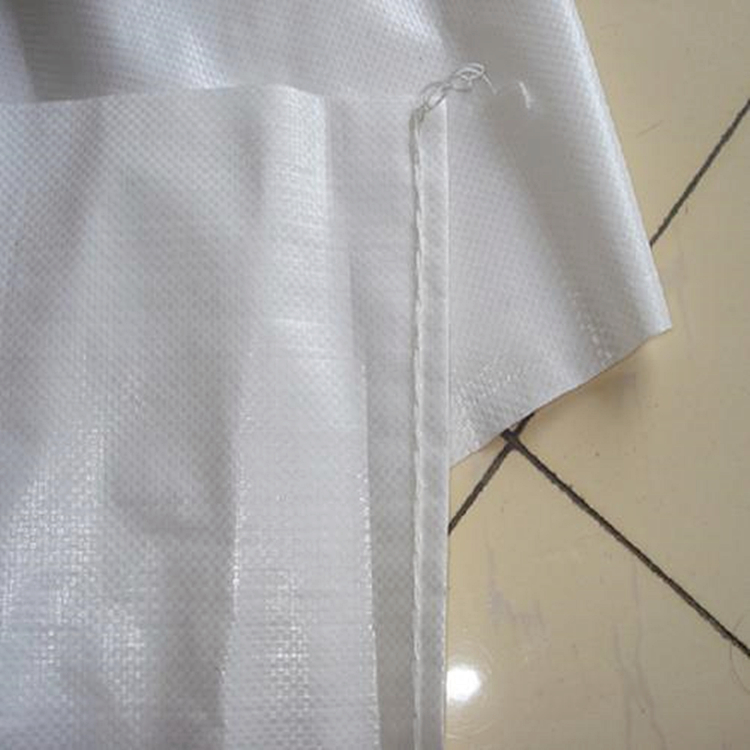
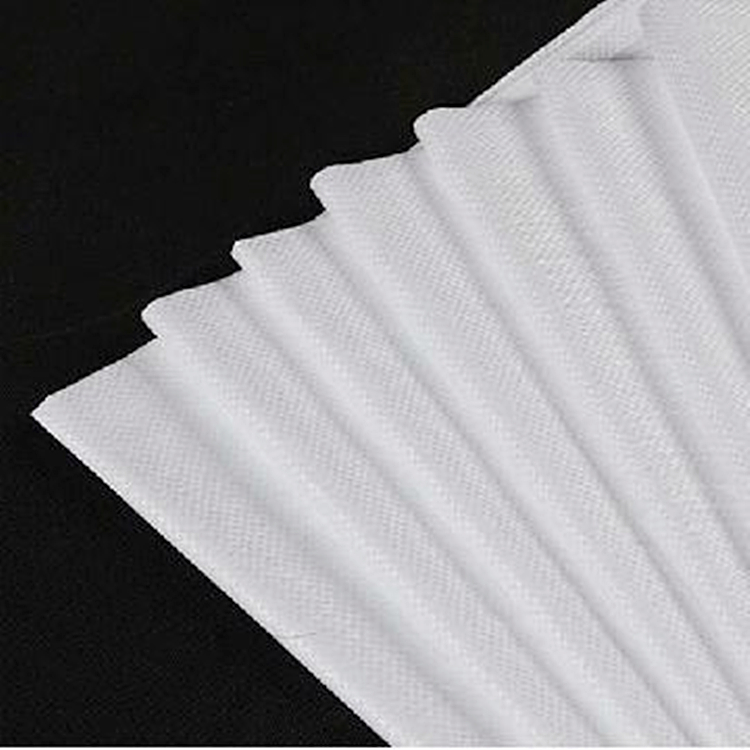
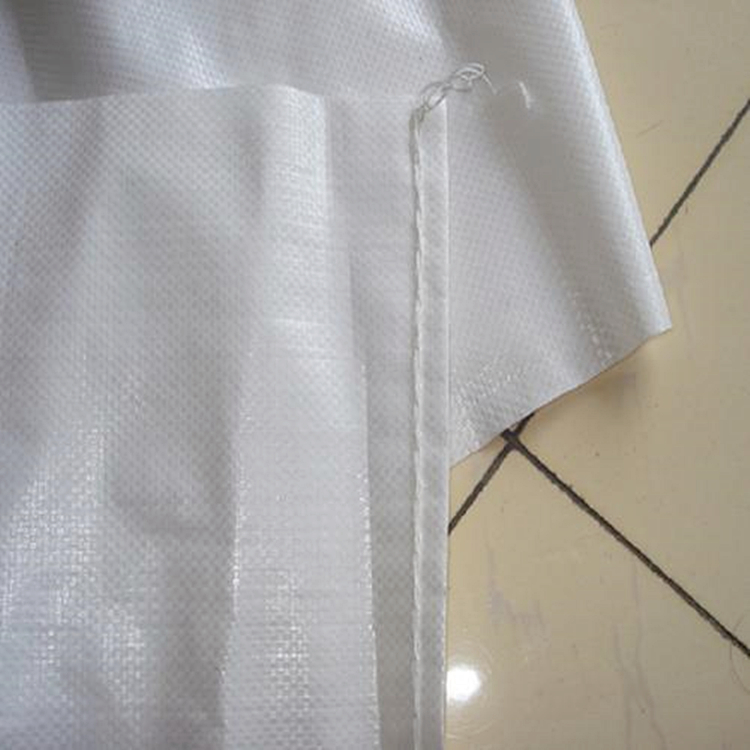
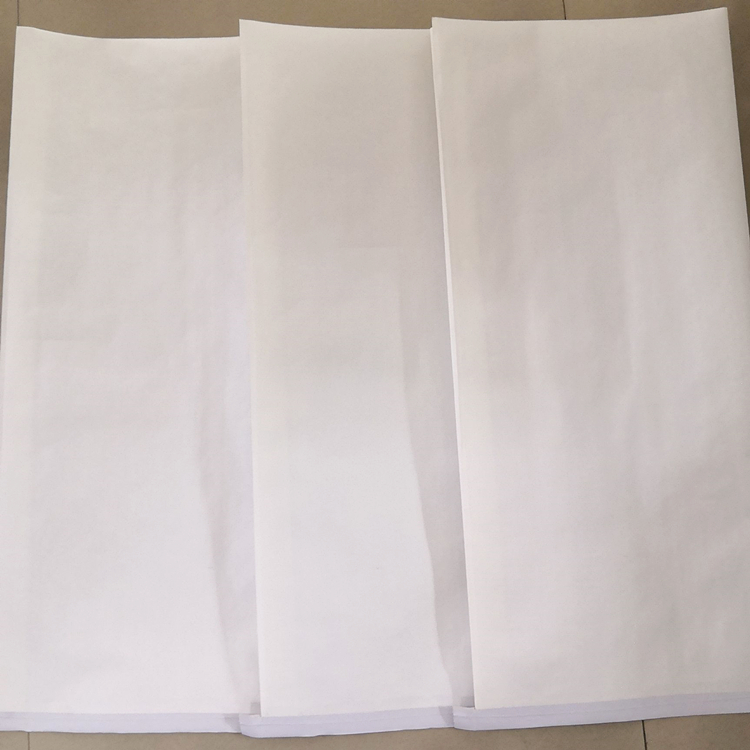
Standard Woven Bag Specifications:30cm to 75cm wide, any length available, suitable for standard printing and full-color printing.
Application Scope
Vegetables and other agricultural products packaging
Subsequently replacing paper-based cement packaging bags.
Due to product resources and pricing issues, our country has600 million woven bags for cement packaging, accounting for over 85% of bulk cement packaging. With the development and application of flexible bulk bags, plastic woven bulk bags are widely used in marine transportation and packaging of agricultural and industrial products. In agricultural product packaging, plastic woven bags are extensively used for seafood packaging, poultry feed bags, covering materials for farms, sunshade, windbreak, and hail protection sheds for crop cultivation. Common products include feed woven bags, chemical woven bags, putty powder woven bags, urea woven bags, vegetable mesh bags, and fruit mesh bags, etc.
Food Packaging
Rice, flour, and other food packaging is increasingly adopting woven bags. Common woven bags include: rice woven bags, flour woven bags, corn woven bags, etc.
Geotechnical Engineering
FromSince the development of geotextiles in the 1980s, the application fields of plastic woven materials have been expanded, widely used in small water conservancy, power, highway, railway, seaport, mining construction, and military engineering projects. In these projects, geosynthetic materials provide functions such as filtration, drainage, reinforcement, isolation, and anti-seepage. Plastic geotextile is one type of synthetic geosynthetic material.
Travel Transportation
Temporary tents and shade umbrellas in the tourism industry, as well as various travel bags and suitcases, utilize plastic woven materials. Various canvases are widely used as covering materials for transportation and storage, replacing the easily moldy and cumbersome cotton canvas. Construction fences and screens are also extensively applied with plastic woven materials. Common items include logistics bags, logistics packaging bags, cargo bags, and cargo packaging bags.
Daily Necessities
Most workers, farmers, cargo handlers, and market-goers use plastic woven products, which are found everywhere—stores, warehouses, homes. The padding material for synthetic carpet is also replaced by plastic woven materials, such as shopping bags, supermarket bags, eco-friendly supermarket bags; cargo woven bags for logistics transportation, logistics woven bags.
6. Flood control supplies
Flood control and disaster relief cannot do without burlap bags, nor can the construction of embankments, riverbanks, railways, and highways. This includes flood-resistant burlap bags, drought-resistant burlap bags, and flood control burlap bags.
National Standards
TAGS: National Standard for Plastic Woven Bags, GB/T8946-2013
Date:2008-08-22
This standard specifies plastic packaging, Transportation, Storage requirements. This standard applies to polypropylene, Polyethylene resin is the main raw material. After extrusion, Drawn into flat filaments Further weaving, Plastic woven bags made for packaging powdery or granular solid materials and flexible items (hereinafter referred to as "bags") 。
Reference Standard
The provisions contained in the following standards: Provisions that constitute this standard through reference in this standard. At the time of this standard's publication, All displayed versions are valid. All standards will be revised. Parties using this standard should discuss the use of the following standards.*** Possibility of a new version.
GB/T 1039-92 Test Methods for Mechanical Properties of Plastics - General Principles
GB/T 1040-92 Test Methods for Tensile Properties of Plastics
GB/T 2828-87 Sequential Sampling Procedures and Tables for Inspection by Lot (Applicable to Continuous Batches)
GB 2918-82 Standard Environment for Conditioning and Testing of Plastic Specimens
GB/T 4857.5-92 Packaging - Methods for Drop Test of Transport Packages
Analysis Method for Hygiene Standards of Molding Products Made of Polyethylene, Polystyrene, and Polypropylene for Food Packaging in GB/T 5009.60-1996
GB 9687-88 Hygienic Standard for Polyethylene Molding for Food Packaging
GB 9688-88 Sanitary Standard for Food Packaging Products Made of Polypropylene
Product Categories
Variety
By primary material composition, divided into polypropylene bags, Polyethylene bags.
According to the sewing method, it is divided into bottom bags, Seam Bottom Pouch
Test Method
Tensile Load
Test Conditions
Please provide the Chinese content to be translated.Conducted in accordance with GB/T 1039. The sample is adjusted to a temperature of 23℃±2℃ and a normal humidity state for 4 hours, and tested under these conditions.
Test equipment should comply withGB/T1040-1992 Chapter 6 Equipment Regulations: The spacing of fixtures is 200mm, and the empty car descending speed is 200mm/min ± 20mm/min.
Sampling Method
Taking the folded surface of the sewing roll as the sampling surface, samples are taken from the warp and weft directions on each bag. Seaming Direction Two pieces of fabric samples, stitched at the bottom. Long300mm in length, width approximately 60mm, then adjust to 50mm. If the next piece is more than half a root longer than the previous one, keep it. The seam lines on both sides of the sample should be left long enough, and each side should be tied with three knots.
Record the tensile load of the samples and take the arithmetic mean.
If the sample breaks or slips in the fixture during testing, affecting accuracy, a new sample should be used for a retest.
Thermal resistance
Remove two specimens each from the warp and weft directions from the bag, length300mm x 20mm.
Overlap the surfaces and apply onto them9.8 N load, place in an oven at 80℃ for 1 hour. After removal, immediately separate the two overlapping specimens and inspect for any abnormal conditions such as sticking or melting marks on the surface.
Drop resistance
Test environment is at room temperature and humidity.
The testing site is a level cement surface.
Fill factor0.80~0.85。
Tested quality and material selection
TA type 20kg bags of polypropylene, polyethylene resin, or equivalent density material.
A bag of 25kg polypropylene, polyethylene resin, or equivalent density material.
40kg B-type bagged urea or equivalent density material.
50kg C-type bags of urea or equivalent density material.
Test Sequence
******: Vertical - Horizontal - Lateral
Article 2: Parallel—Lateral—Longitudinal
Section 3: Lateral—Vertical—Horizontal
Place the sample onA 1.2m free fall test, followed by three drops in the sequence as per 5.7.5, to inspect for any bag rupture or packaging loss.
Sanitary Performance
Please provide the Chinese content you would like translated into American English.In accordance with GB/T5009.60 regulations.
Inspection Regulations
Lotting
Products of the same model and specification are grouped as a batch, with no batch exceeding150,000.
Sample
Bag appearance and deviation qualification judgmentThe normal sampling scheme as specified in GB/T2828 is conducted (refer to Table 5), with each woven sack as a sample unit.
|
Bulk Range |
Sample Size |
Qualified Assessment NumbersAc |
Number of non-conforming determinationsRc |
|
501—1200 |
32 |
3 |
6 |
|
1201—3200 |
50 |
7 |
8 |
|
3201—10000 |
80 |
10 |
11 |
|
10001—35000 |
125 |
14 |
15 |
|
35001—150000 |
120 |
21 |
22 |
Tensile load: random sampling from each batch5 units, with 2 as spares and 3 for sampling and testing according to Section 5.5.3.
Other inspection items are as specified in ClauseChapter 5 stipulates random sampling, with the sample size to meet the testing requirements for the necessary items.
Inspection Category
The factory inspection items include tensile load.
Type Inspection
The type testing items include all items in the technical requirements. Generally, an annual inspection is conducted. Type testing should be carried out under any of the following conditions:
a) Prototype qualification for new or existing products undergoing transfer manufacturing.
b) After formal production, if there are significant changes to the structure, materials, or process, which may affect product performance;
c) Upon resuming production after a long-term halt.
d) When the factory inspection results show significant differences from the previous type inspection;
e) The national quality supervision authority requires type testing.
6.4 Determination Rules
Quality Assessment of Sample Unit
The appearance and deviation of the bags are inspected according to requirements. If all items pass the inspection, the sample unit is deemed qualified.
Quality Determination of Qualified Batch
Bag appearance and deviation qualification determinationThe GB/T2828 standard is applied, with the batch quality expressed as the number of non-conforming items per hundred units. The general inspection level is I, and the Acceptable Quality Level (AQL) is 6.5. Specific provisions are detailed in Table 5.
If there are any items that fail the tensile strength test, the original batch should be resampled in double and retested on the failed items. If the retest results are all合格.Then, the batch is deemed qualified.
Heat Resistance Test
If the heat resistance test fails, the type approval is not valid.
Drop Test
If the drop test is not passed, the type test is considered不合格.
Sanitary Performance
If any sanitation performance indicators are不合格, the type test is considered不合格.
Branding, Packaging, Transportation, Storage
Brand
The product packaging should include the manufacturer's name, product name, specifications, quantity, standard number, trademark, and manufacturing date, among other information. Special requirements shall be decided through mutual negotiation.
Packaging
Bags should be sturdy, flat, and suitable for transportation.
The number of pieces per package is subject to negotiation between the buyer and seller.
Each package should contain a product quality certificate.
Transportation
The bags must be handled gently during transportation to prevent damage from sun and rain, ensuring the packaging remains intact.
Storage
Bags should be stored in a cool, clean indoor area, with a storage period of no more than 18 months from the date of manufacture.
