

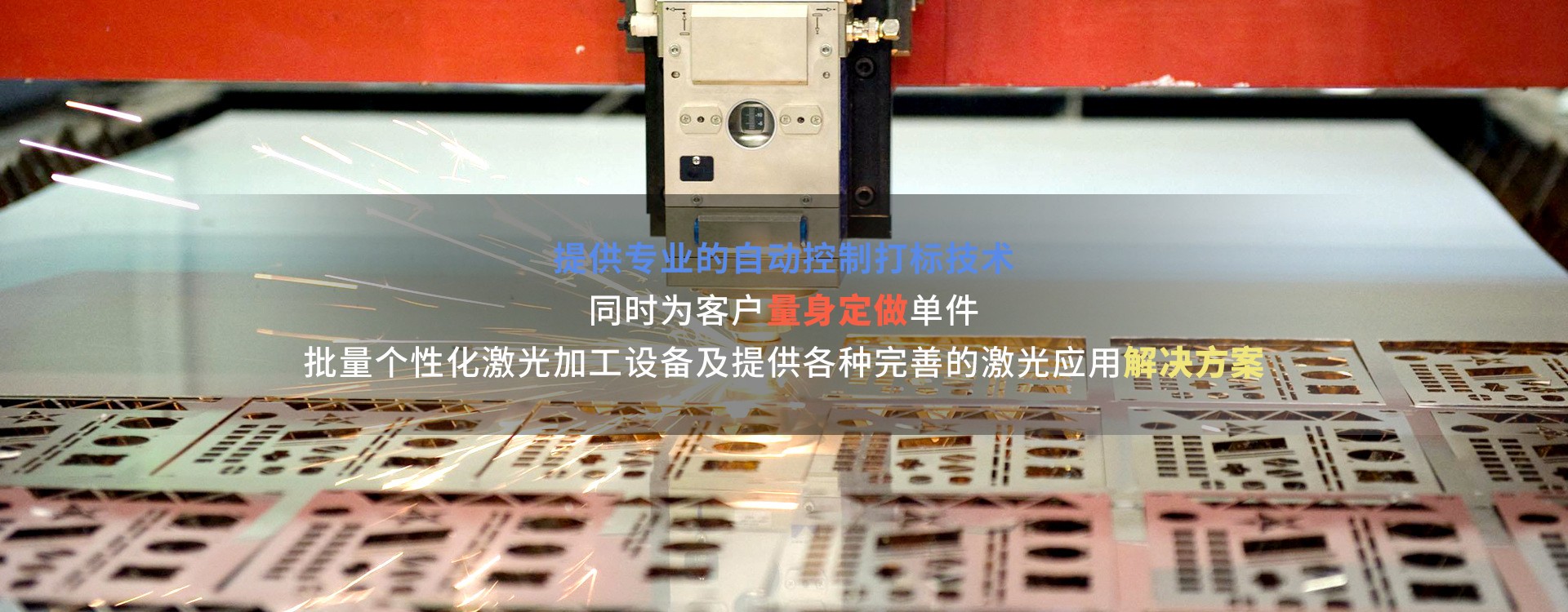

The laser welding machine uses high-energy pulsed laser to focus on the metal to be melted for welding the workpiece.
This new welding technology is highly effective, but can also lead to thermal or cold cracks if not handled properly. How does a laser welding machine weld cracks?
Metallurgical Factors:
The uneven rapid heating and cooling characteristics of laser welding place the entire joint in a complex state of stress, forming mechanical factors for joint cracking. Laser welding involves a combination of uneven processes, where it is inevitable that there will be uneven structural distribution, structural hardening, and low resistance to cracking during the rapid metallurgical solidification process, which constitutes metallurgical factors that promote the initiation of cracks.

Mechanical factors:
Three main types of cracks occur during the welding process of laser welding machines: product cracks, liquefaction cracks, and reheating cracks. Crystal cracks are related to the uneven composition of the macroscopic area of the weld. The weld center is the part where liquid phase crystallization occurs, where the columnar crystals meet on both sides of the weld, accumulating a large amount of low-melting point impurities here, forming a central line segregation, thereby reducing the bonding strength at this location. Under certain mechanical conditions, cracks may form in this section.
Understanding the causes of cracking, we should pay closer attention to the operation of laser welding machines in our daily lives and strive to avoid welding defects caused by improper handling.
