
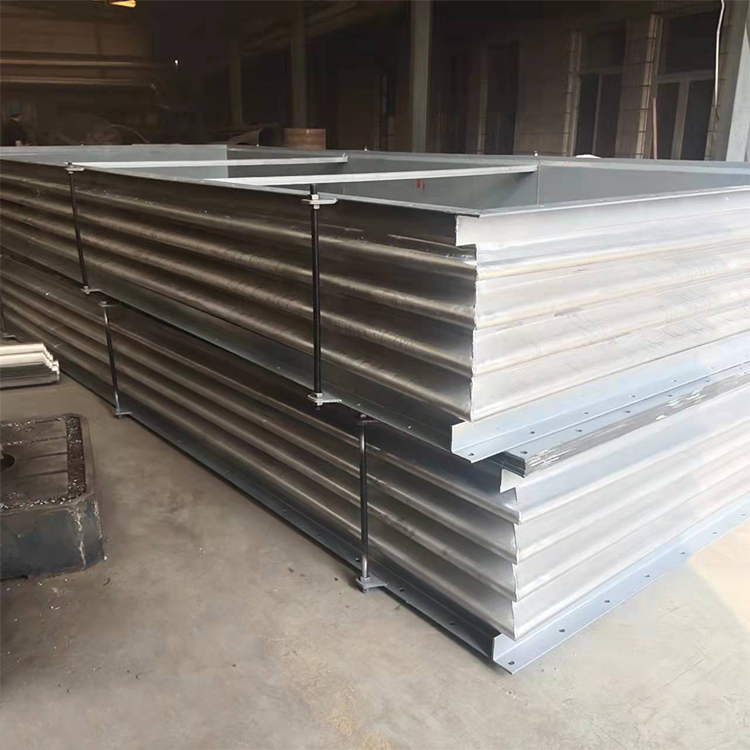
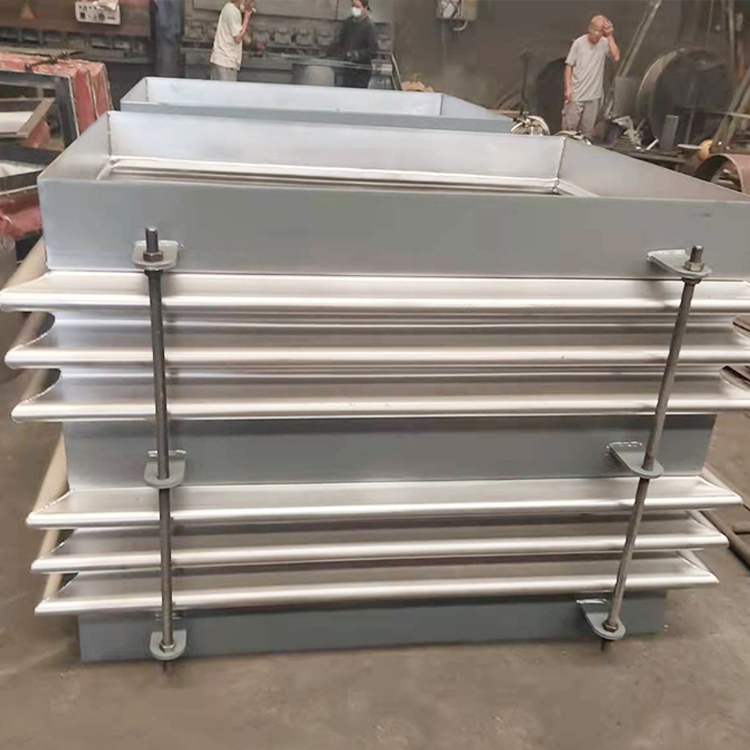
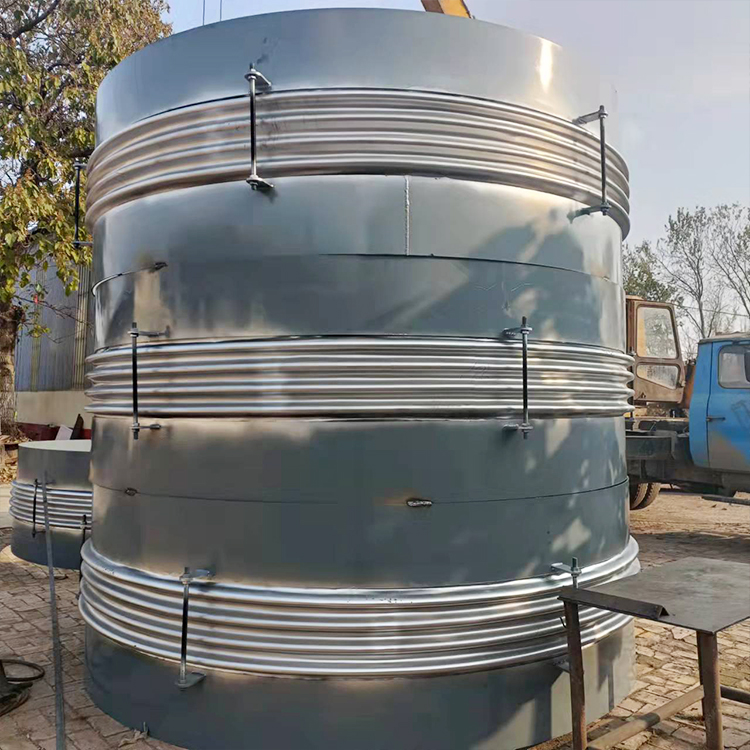
1. Applicable Medium: Air, flue gas, and dusty gas.
2. Pressure (P): -20 to 30 kPa
3. Operating Temperature (t): Refer to the set working temperature above, ≤450°C.
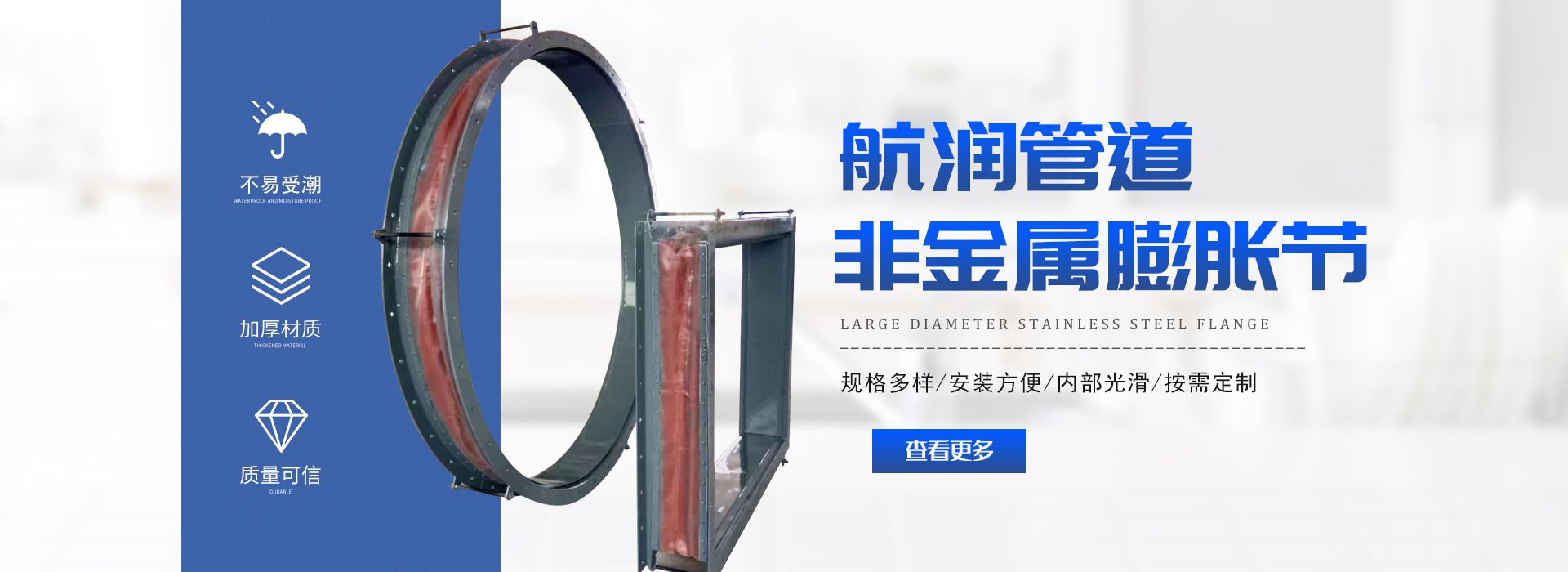
4. Compensation Volume: Xo represents the axial compensation volume, with a negative sign indicating compression deformation; Yo represents the lateral compensation volume, with specific compensation volumes as specified in the table above.
5. Material
a. Metal structural components are typically recommended to be made of Q235-A with a material temperature rating of t≤400°C; at 400°C (t≤450°C), materials 10 or Q345 (16Mn) should be used. Other materials should be considered for design purposes.
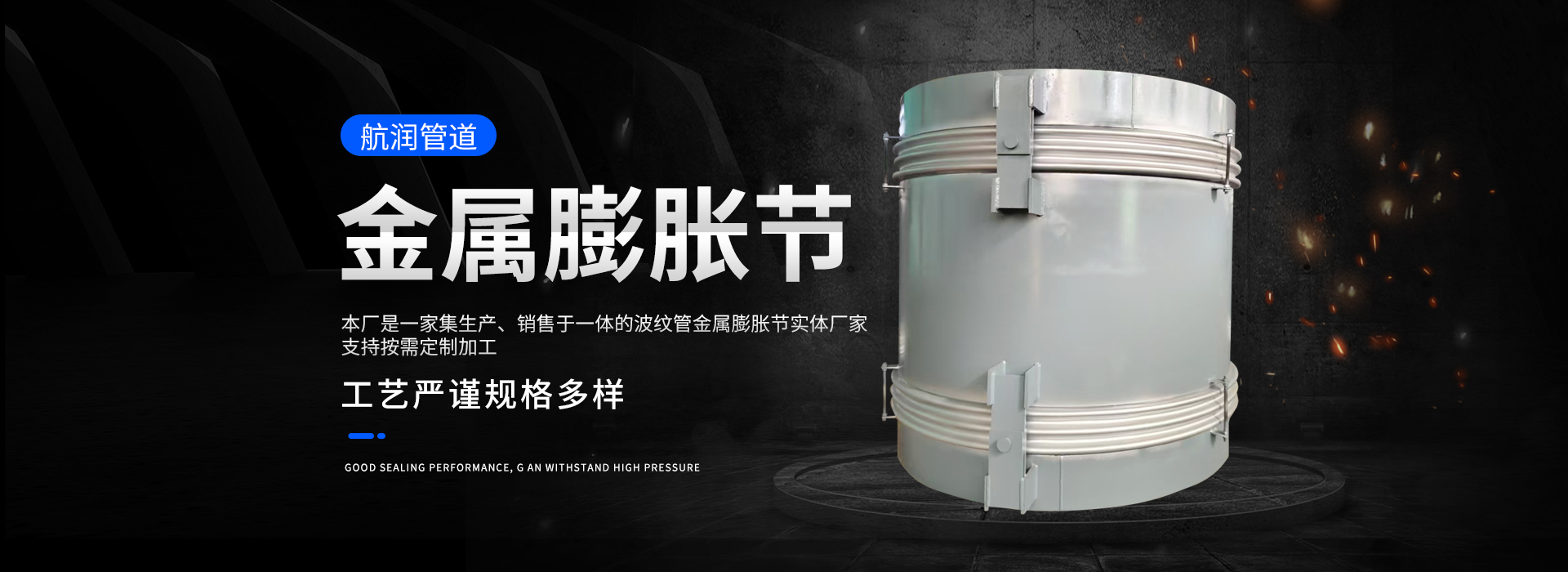
b. The compensator features non-metallic rings and jacket materials, composed of various materials such as glass fiber cloth, polytetrafluoroethylene film, composite rubber glass fiber cloth, and aluminum silicate fiber cotton, depending on the working temperature. Asbestos-containing materials are prohibited for the production of non-metallic compensators.
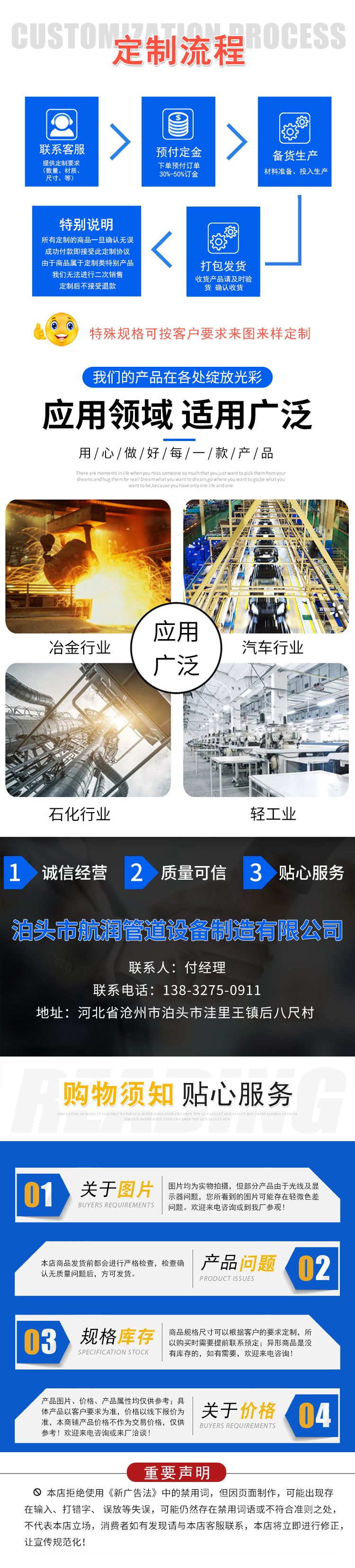
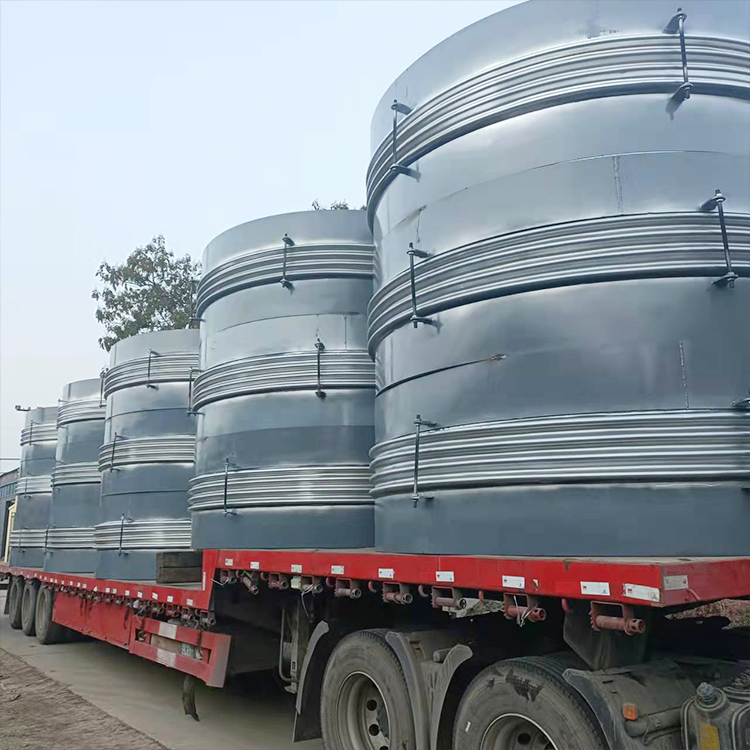
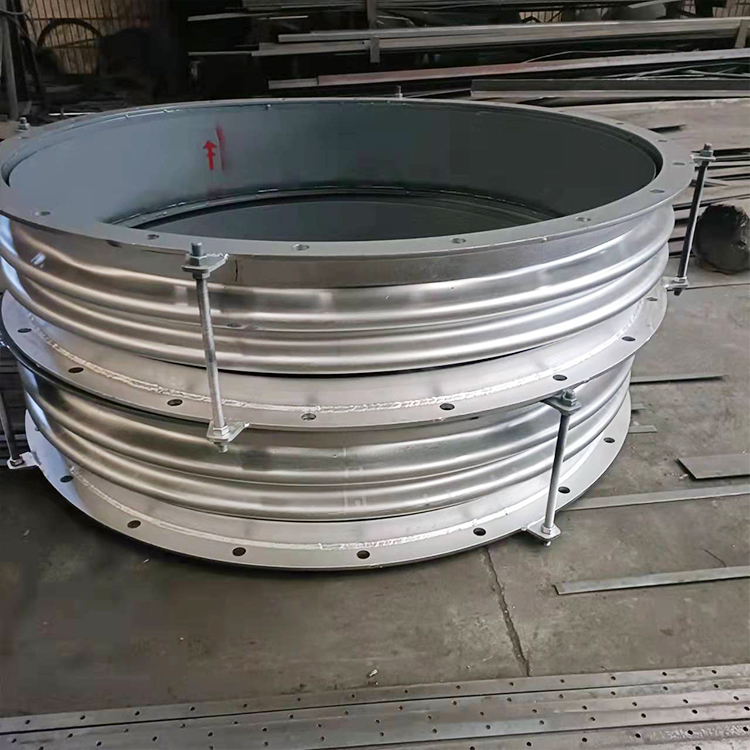
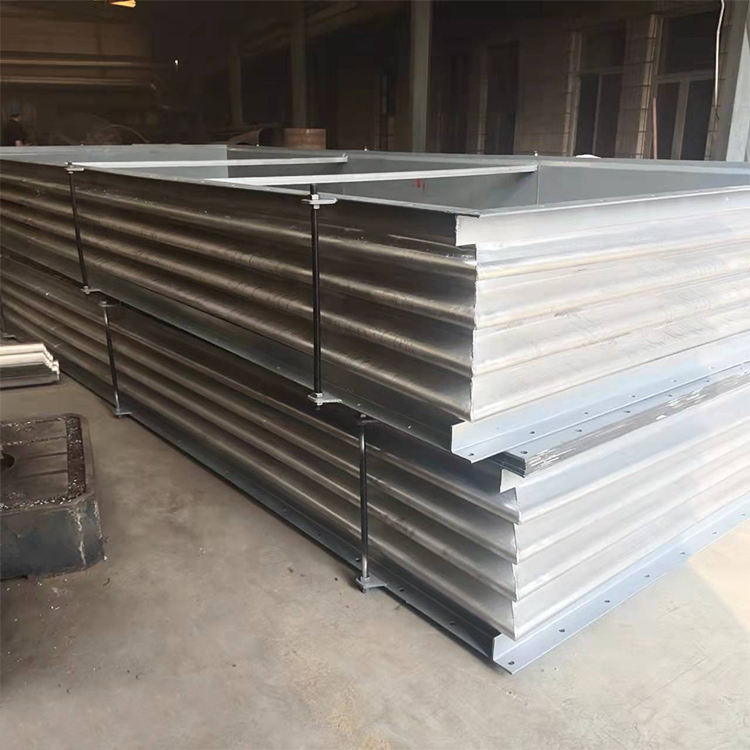
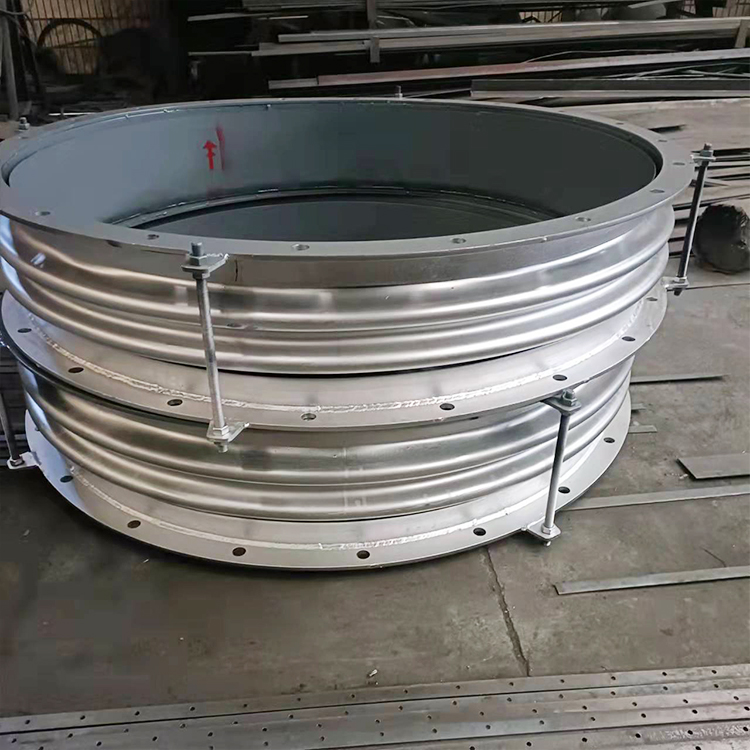
6. Connection Method: Standard is plug-in welding, where the pipe is inserted into the compensator's interface, with an insertion depth of 20mm.法兰 connection is also available, in which case, the product length and compensation are the same as the plug-in welded pipe. Compensators are categorized into metallic and non-metallic types. The elastic component that forms the main working body of the compensator is made of non-metallic material, typically fiber fabric, hence also known as fabric compensators (expansion joints, flexible joints). There is also rubber material, which can substitute for fiber fabric under all conditions except when high temperatures (above 400°C) are involved.