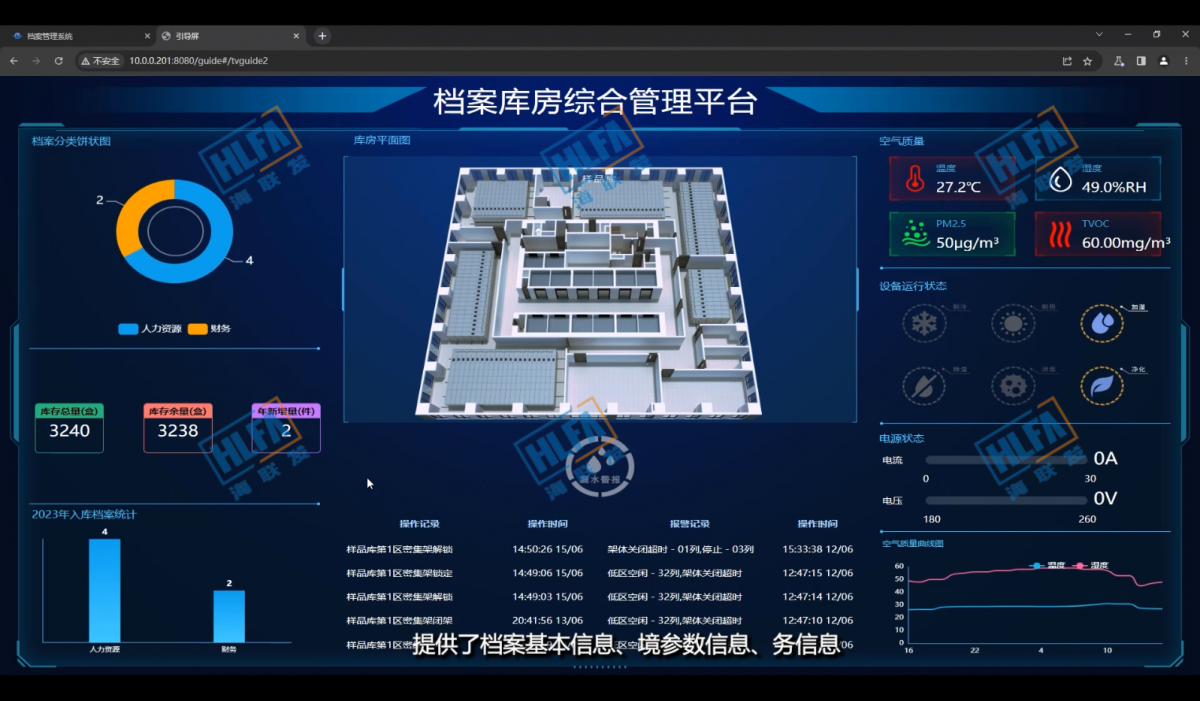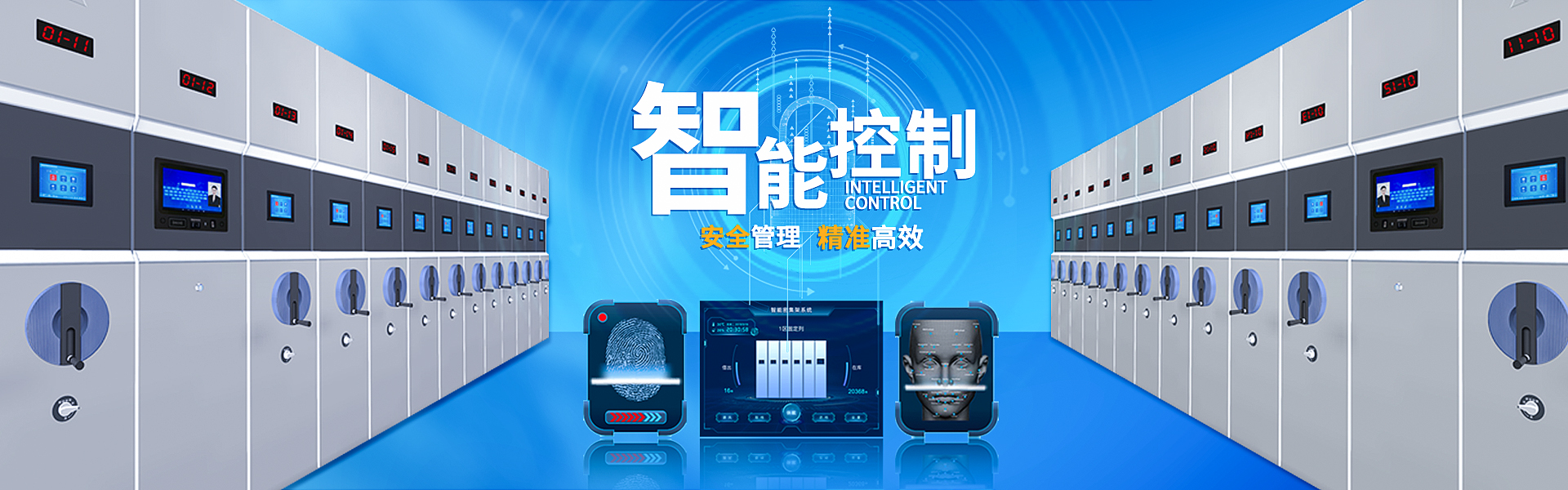

In 2014, the National Archives Administration issued the "Digital Archive Construction Plan," which categorized the construction of archives into five main aspects: "standardization, infrastructure, digital resource, application system, and security construction." The construction of archive storage facilities is primarily reflected in the infrastructure system. To accommodate the rapid development of archive management needs and meet the physical archive storage requirements for the next decade, it is imperative to build a smart archive storage facility that complies with the "Digital Archive Construction Guidelines" of the National Archives Administration and the "JGJ25-2010" standard.What if we transform an old archive room into a smart archive? We at Haidi come to your aid by addressing questions such as the cost of transformation, the steps involved, and the characteristics of a smart archive.

Renovation Costs
Renovation costs vary due to factors like location, scale, and functionality, and generally require a detailed evaluation and budgeting process.
The renovation costs include investments in hardware equipment, software systems, and network construction.
For a medium-sized archive room, the renovation cost is approximately 1 million yuan.
Rehabilitation Steps
Define Renovation Goals and Requirements: Based on the actual circumstances, clearly define the renovation goals and requirements, and develop renovation plans and solutions. For instance, determine the scope of digital processing, the technologies to be used, and the required functionalities.
Renovating the Facilities: We have conducted a thorough clean-up, renovation, and adjustment of the outdated archive room to ensure it meets the requirements of a smart archive storage facility. This includes inspecting and updating facilities such as air conditioning, moisture control, and fire prevention.
Performing Equipment Installation: Selecting and installing equipment based on requirements, and conducting adjustments to ensure compatibility with the system. Examples include installing digital scanners, storage devices, and network equipment.
Develop and deploy software systems: Develop software systems based on requirements and then deploy and debug them. Examples include developing document management systems, search systems, and security systems.
Conduct Training and Promotion: Train records managers and promote the use of the intelligent archive database.

Features of the Smart Archive Library
Digital Management: Digitizing paper-based archives to achieve electronic storage, retrieval, sharing, and transmission of archive data.
Network Management: Utilizing network technology to enable remote access and sharing of档案 data.
Intelligent Management: Leveraging artificial intelligence technology to achieve automated categorization and intelligent retrieval of document data.
Security & Reliability: Utilizing multiple security measures to ensure the safety and reliability of档案 data.