

During tunnel excavation, it is common to encounter areas with fractured zones, loose strata, weak formations, water inrush, and sand inrush. Excavating under such geological conditions without pre-supporting can easily lead to collapse, causing safety accidents. This not only results in economic losses for related enterprises and increases engineering costs, but also affects the construction progress and quality.
Before tunnel construction crosses existing lines or structures, or rivers and lakes, it is easy to cause settlement of the existing lines or structures and the outflow of rivers and lakes without pre-support, posing safety risks.
When encountering the aforementioned situations during tunnel construction, the plug method, small diameter pipe advanced grouting method, and shallow surface bolt grouting reinforcement method are primarily used for preliminary support during the initial tunnel excavation. However, these support methods all have certain shortcomings, such as limited support range and depth, insufficient reinforcement strength, and difficulty in forming an overall high-strength support. Moreover, multiple cycles are often required to pass through the supported strata. This not only causes on-site construction delays and halts, severely impacting the construction progress, but also sometimes makes it difficult to ensure safety.
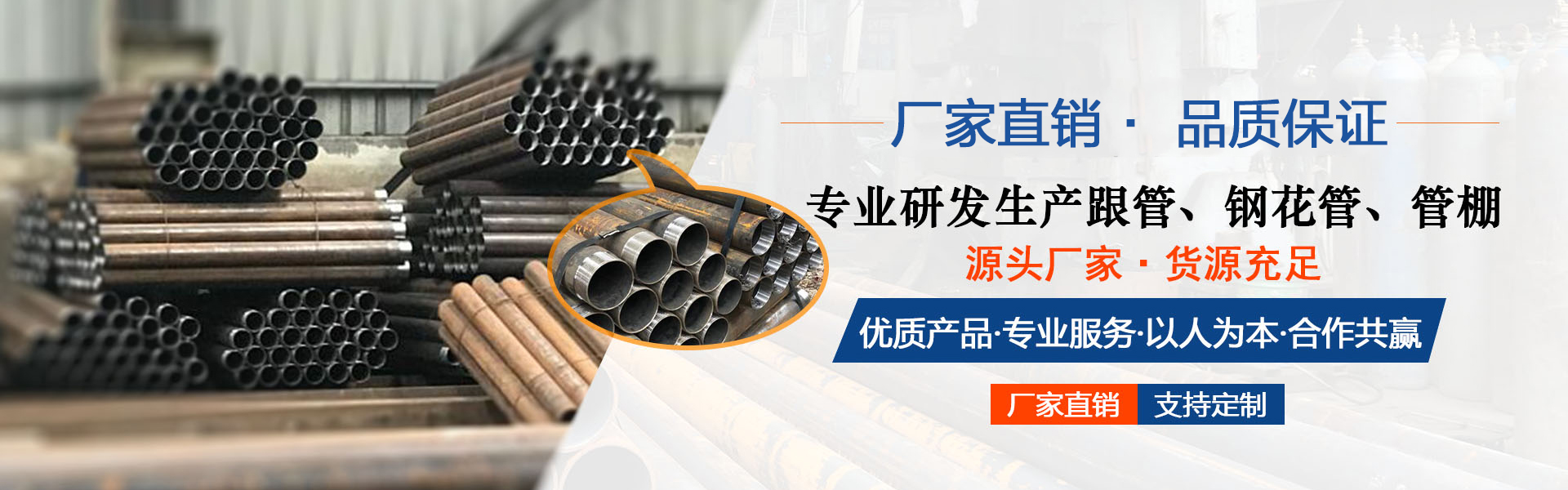
With the continuous advancement of construction technology, the pipe shield construction method has been widely adopted. Especially after introducing technologies such as directional drilling and various new construction techniques, the accuracy, construction length, settlement control, and efficiency of pipe shield construction have significantly improved. The pipe shield construction method involves using a drilling rig to hammer steel pipes into predetermined positions in the strata to be supported along the outer segment of the tunnel excavation contour, followed by grouting. The grout spreads around the rocks, forming an arched diaphragm similar to reinforced concrete, which can support the surrounding rock outside the excavation line.

