
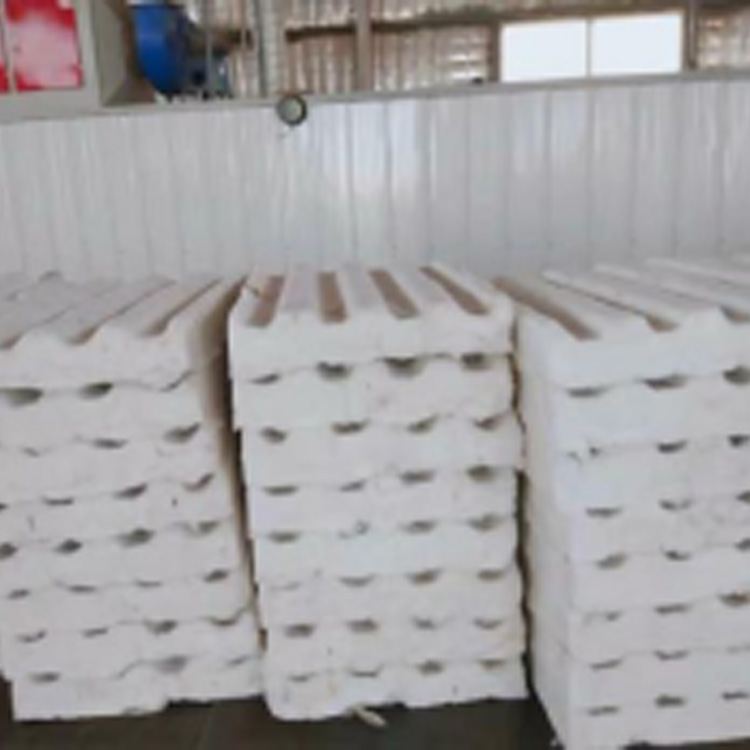
 Composite High Silicon Aluminum Modules / Alumina Silicate Comb Sheets / Alumina Silicate Tube Sheaths
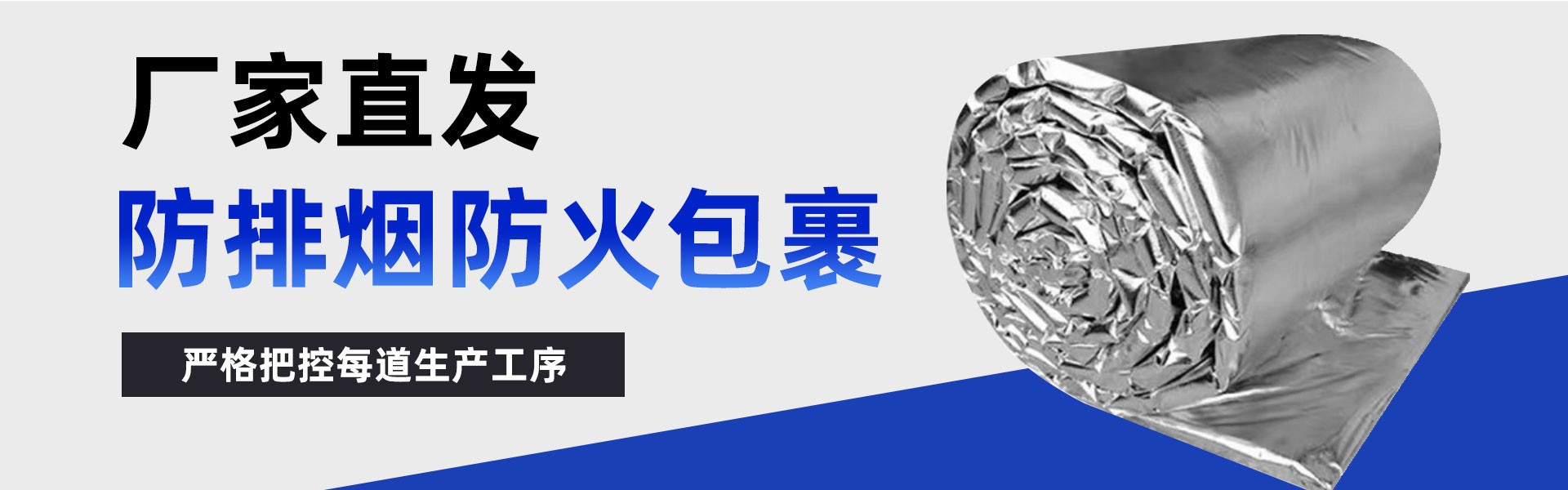
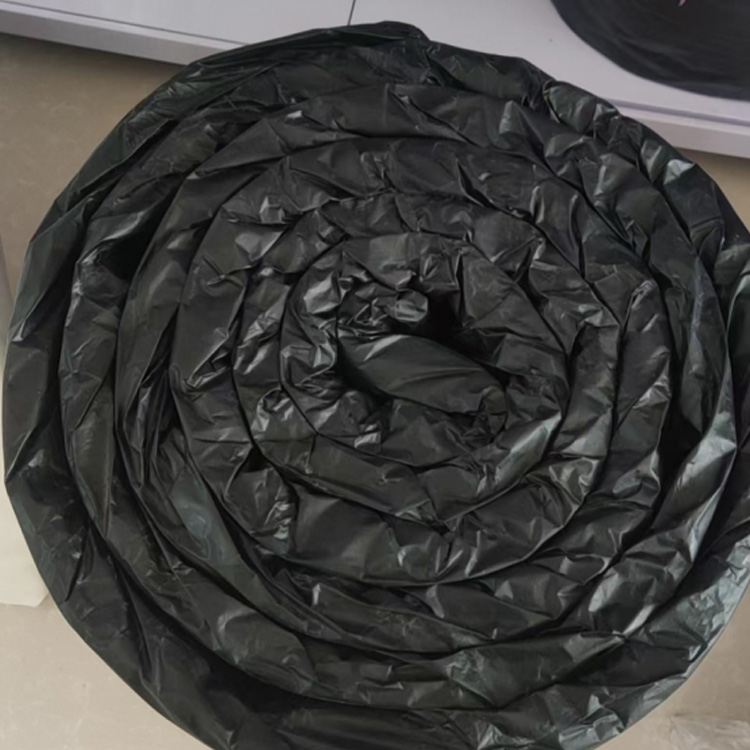 Black aluminum foil fire-resistant packaging
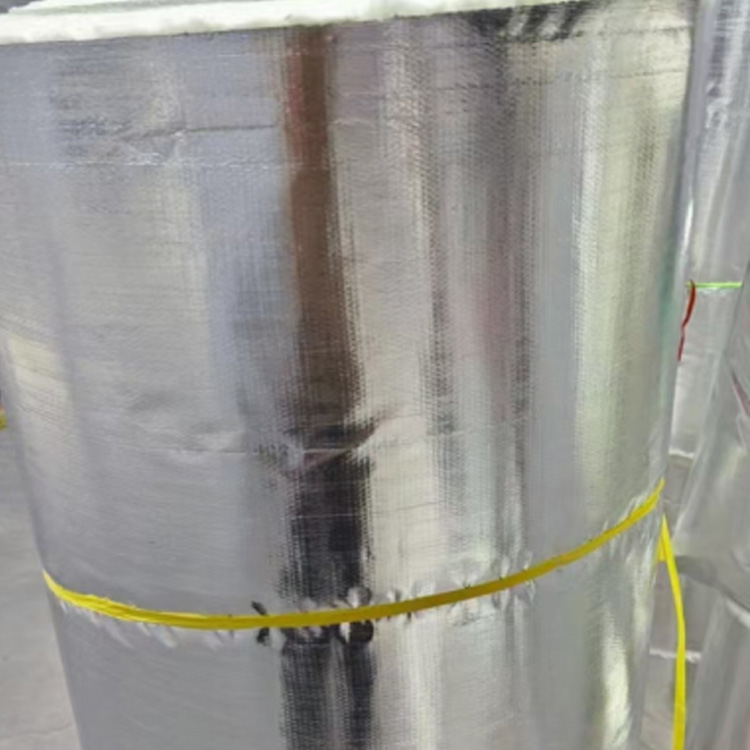 Fire and smoke prevention wrapping
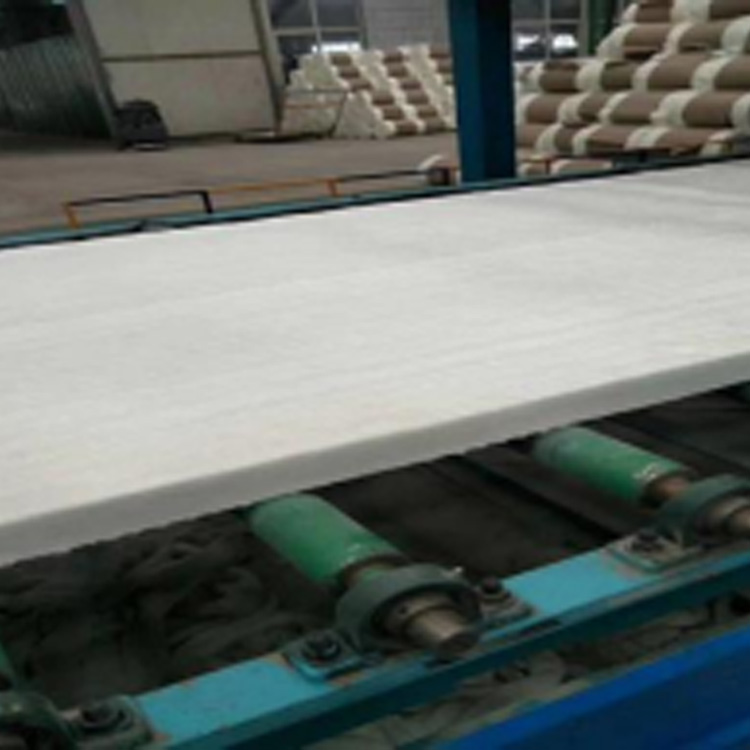 Alumina-silicate needled blanket
 Alumina Silicate Fiberglass Needled Mat Series
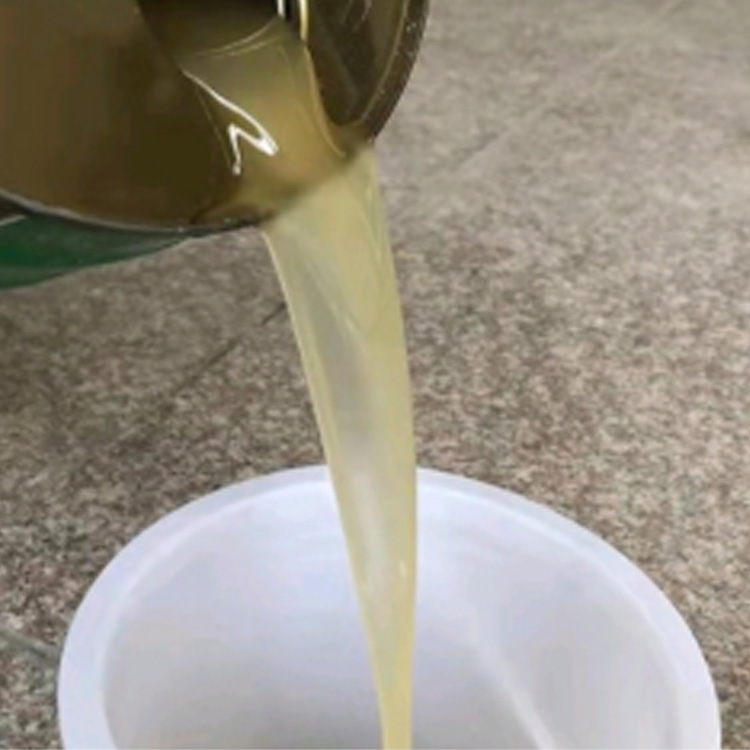 Quick-dry adhesive/rapid curing adhesive/insulation material adhesive/fiberglass wool aluminum foil adhesive
 Dyed fabric
Product Details

Energy-saving technology promotion services, manufacturing and sales of insul...
产品Price Negotiable
最小起订Quantity: 供货总Quantity:


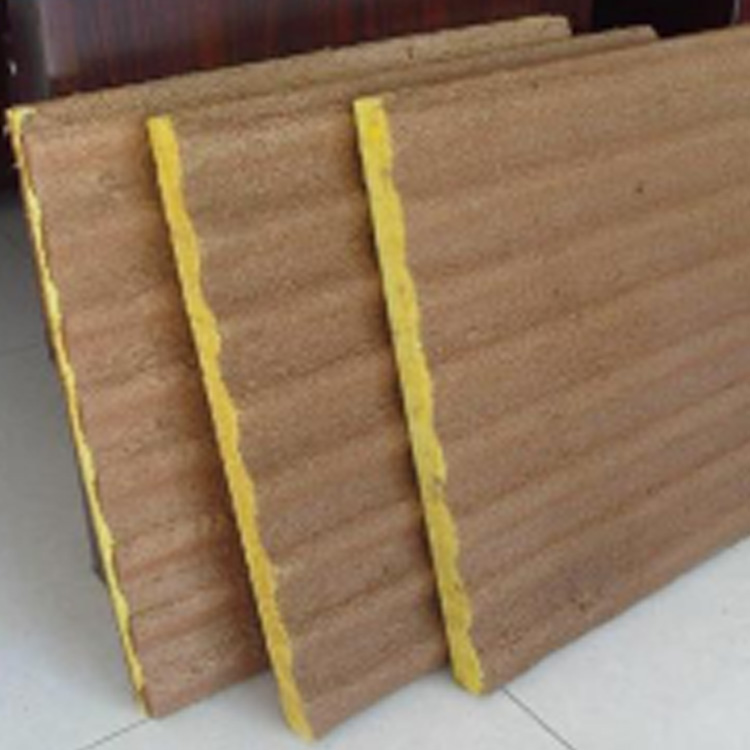
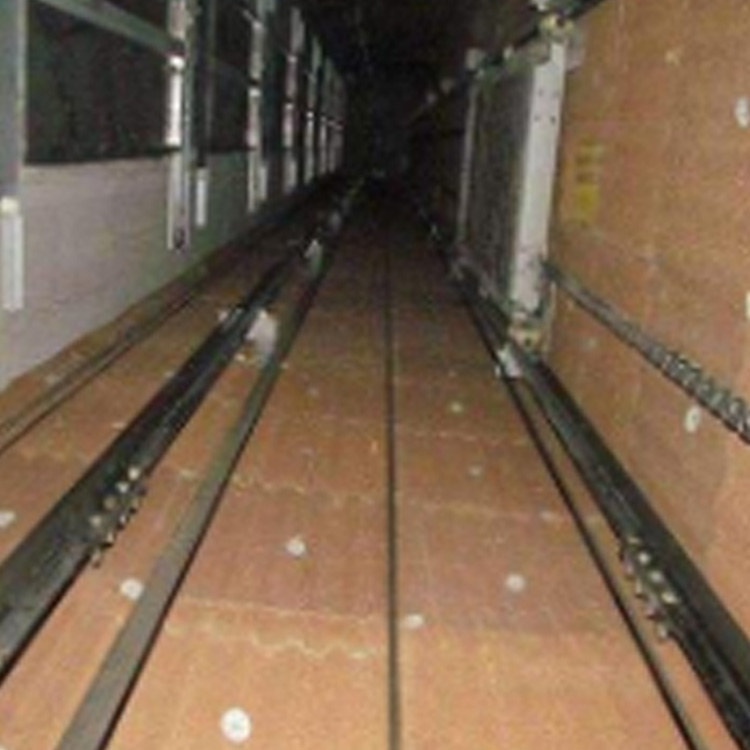
Acoustic panels for elevator shafts are specifically designed for elevator shafts and machine rooms, and are produced as soundproofing materials. The core material is yellow glass wool fiber. As an acoustic material widely used around the world for a long time, spun glass wool has been proven to have excellent sound absorption properties and good fire resistance. The surface is coated with sound-absorbing particles. Their primary function is to enhance sound absorption while also facilitating installation. The shape of the elevator shaft acoustic panels is concave-convex, which increases the effective sound absorption area while altering the sound reflection effect. The noise reduction coefficient (NRC) is 0.75, making them suitable for acoustic noise reduction in specific structures such as elevator shafts, machine rooms, and air conditioning rooms. They are also non-toxic and harmless, making them a truly green acoustic decorative panel. Guorui Company has a large storage facility with ample inventory, large-scale production equipment, fast processing speed, and a short production cycle, enabling us to quickly provide qualified products to our customers, earning the trust of both new and old clients.
Acoustic Absorption Principle
Acoustic cotton for elevator shafts is a porous sound-absorbing material with excellent sound absorption properties. The reason centrifugal glass wool absorbs sound is not due to its rough surface but because it has a large number of interconnected tiny pores and holes. When sound waves strike centrifugal glass wool, the waves can travel through the pores into the material's interior, causing the air molecules in the voids to vibrate. Due to the viscous resistance of air and the friction between air molecules and the pore walls, the sound energy is converted into heat energy and dissipated.

Phone Consultation