



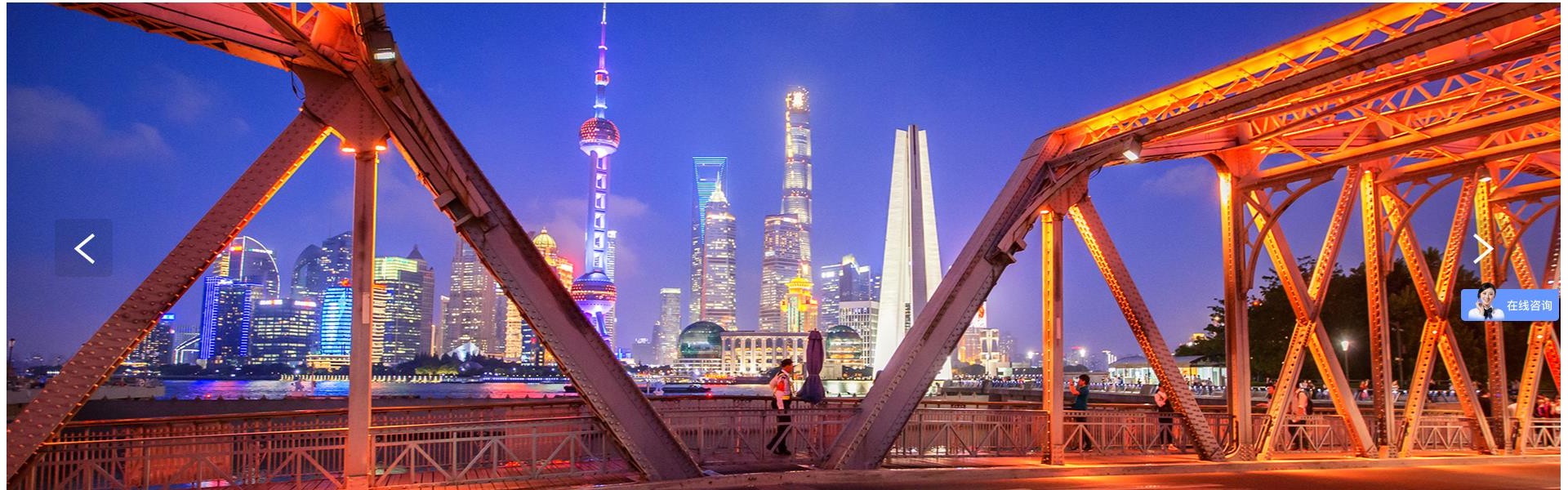

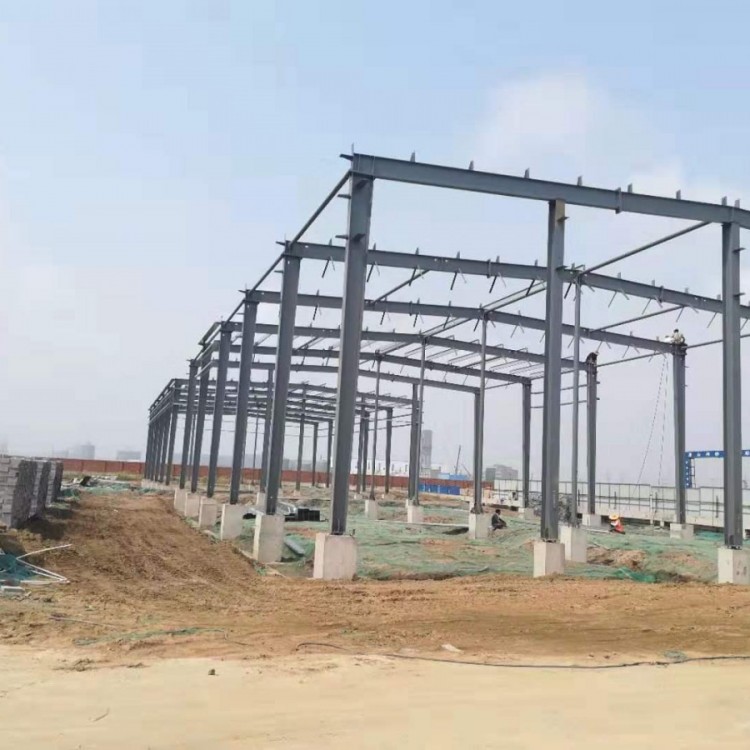

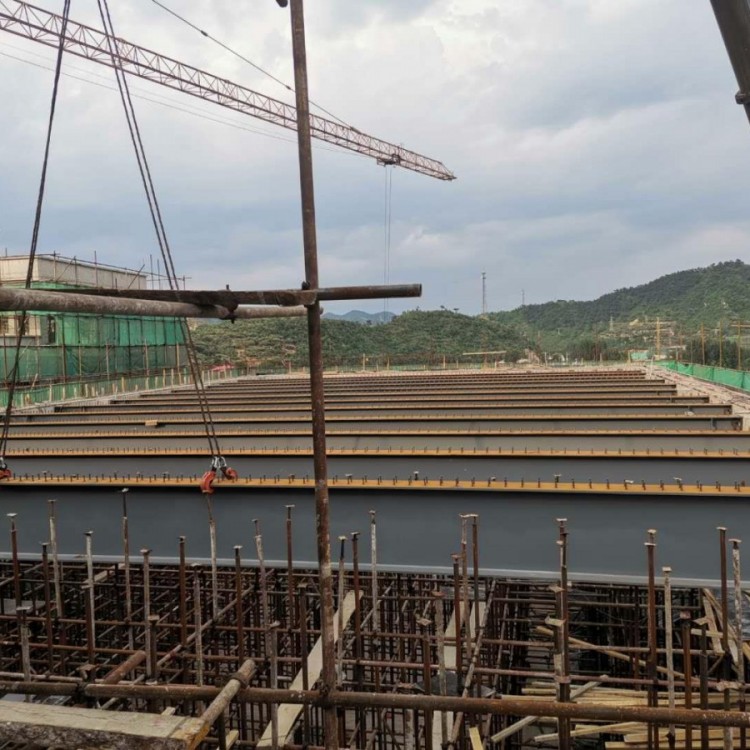

Structural steel primarily consists of steel beams, columns, trusses, and other components made from steel sections and plates. It forms a type of building structure, assembled through welds, bolts, or rivets between parts or components. Due to its light weight and simple structure, it is widely used in large factories, stadiums, and other fields.
Structural steel civil engineering
Structural steel civil engineering refers to the civil engineering involving structural steel, a general term for civil engineering and structural steel construction. It is an engineering discipline that constructs various facilities and sites for human activities such as living, production, and protection. It covers various fields including buildings, roads, railways, airports, bridges, water conservancy, and more, both above and below ground, on land, in water, and underwater. The construction of buildings, structures, and engineering objects within the facility and site range includes ports, tunnels, water supply and drainage, protection, and more, as well as surveys, design, construction, maintenance, and management during the construction period. The construction process also includes the materials, equipment, and items consumed during the building process. Energy-saving wall systems are used, providing excellent thermal insulation, heat preservation, and sound insulation, achieving a 50% energy-saving standard.
