



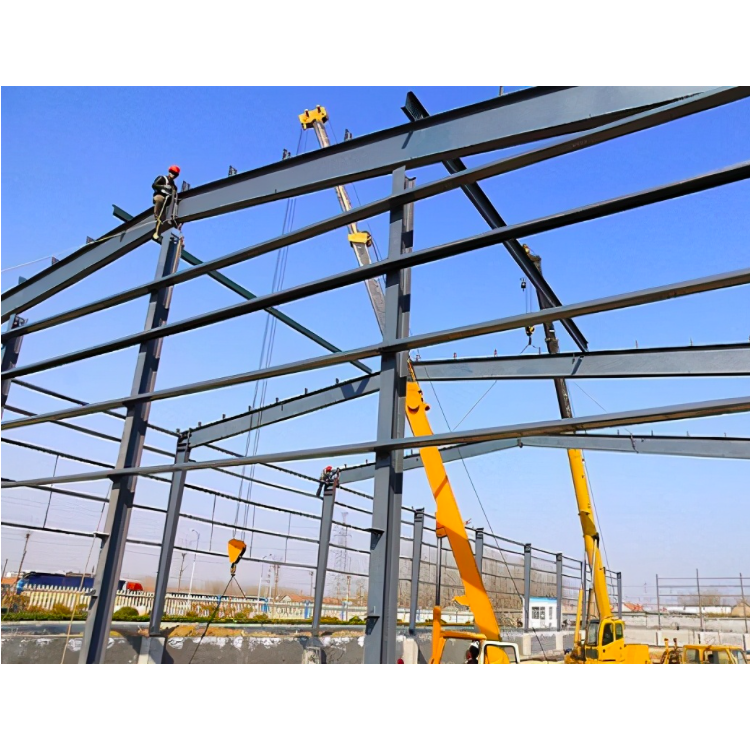
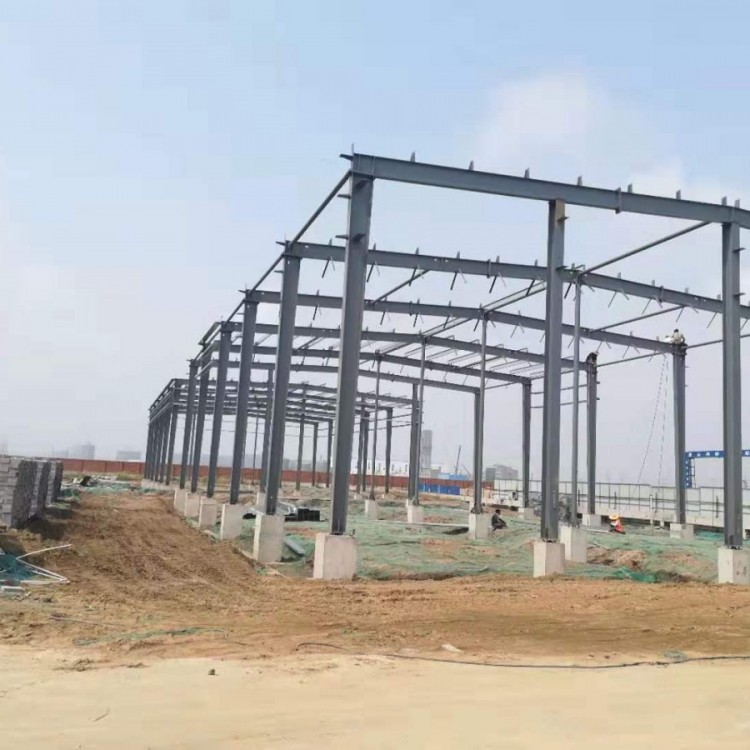

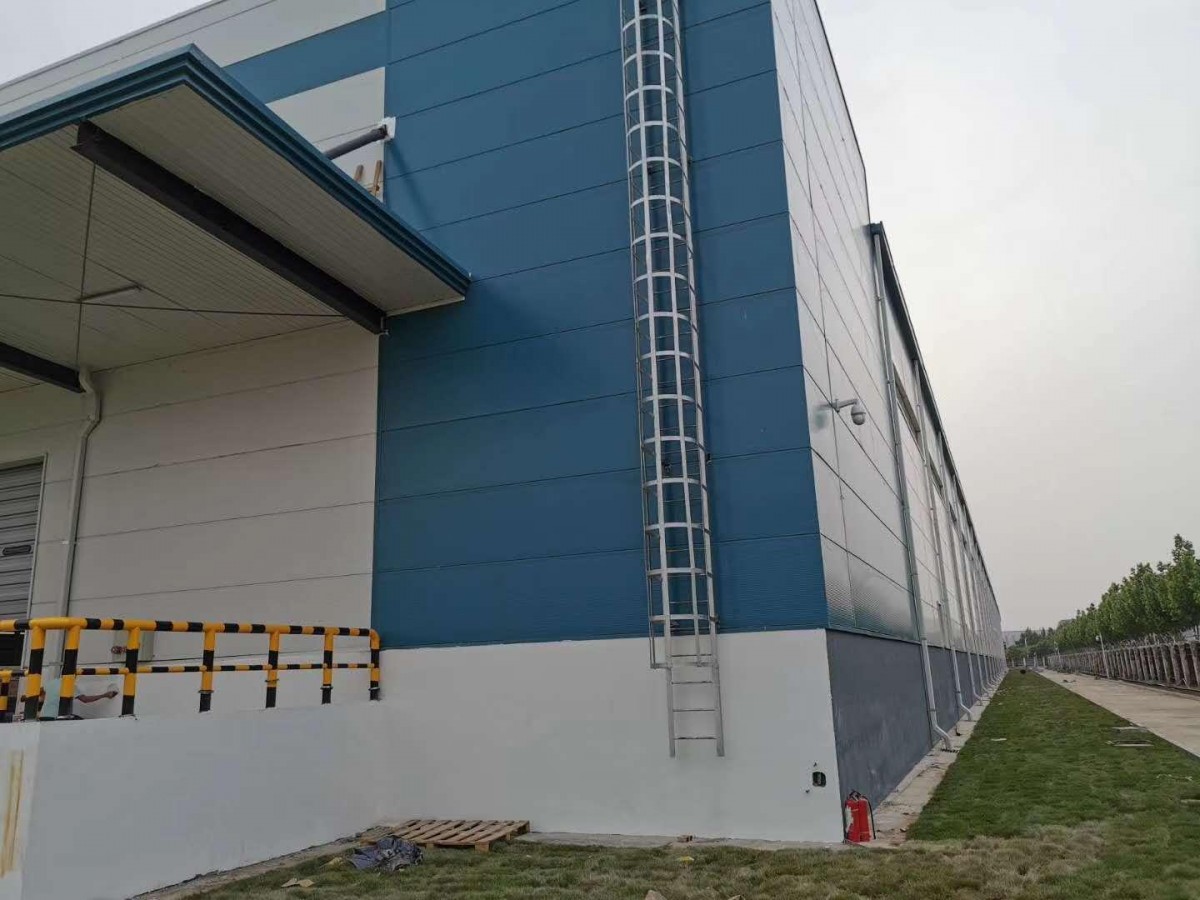
Structural steelwork is a type of construction primarily composed of steel, consisting of components such as steel beams, columns, and trusses made from shaped steel and steel plates. Parts or components are typically connected by welds, bolts, or rivets. It is one of the main types of building structures. Due to its lightweight nature and ease of construction, it is widely used in large industrial buildings, bridges, sports venues, and ultra-high-rise buildings.
Aseismic performance: The roofs of low-rise villas are mostly sloped, thus the roof structure predominantly employs a triangular truss system made of cold-formed steel components. After being sealed with structural boards and gypsum boards, the light steel components form a very robust "plate rib structure system." This structural system boasts enhanced seismic resistance and capacity against horizontal loads, suitable for areas with an earthquake intensity of 8 degrees or higher.
Wind Resistance: The steel structure is lightweight, high in strength, with good overall rigidity and excellent deformation resistance. The weight of the building is only one-fifth of the brick and concrete structure, capable of withstanding hurricanes with wind speeds of up to 70 meters per second, effectively protecting lives and property.
Durability: The residential structure is entirely made of cold-formed thin-walled steel components. The steel frame is constructed with super-durable, high-strength cold-rolled galvanized sheets, effectively preventing corrosion of the steel plates during construction and use, and adding weight. This enhances the lifespan of the steel components. The structural lifespan can reach 100 years.
