



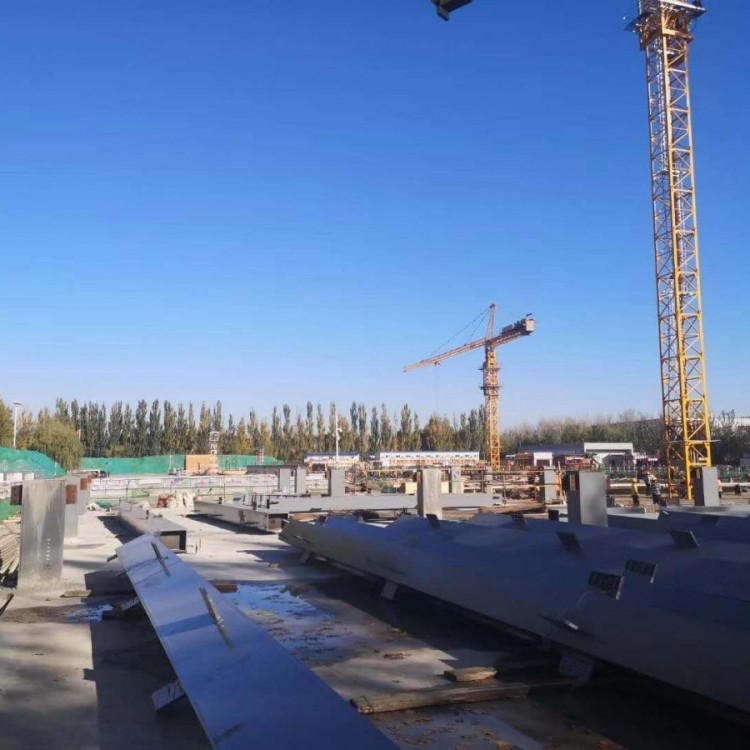

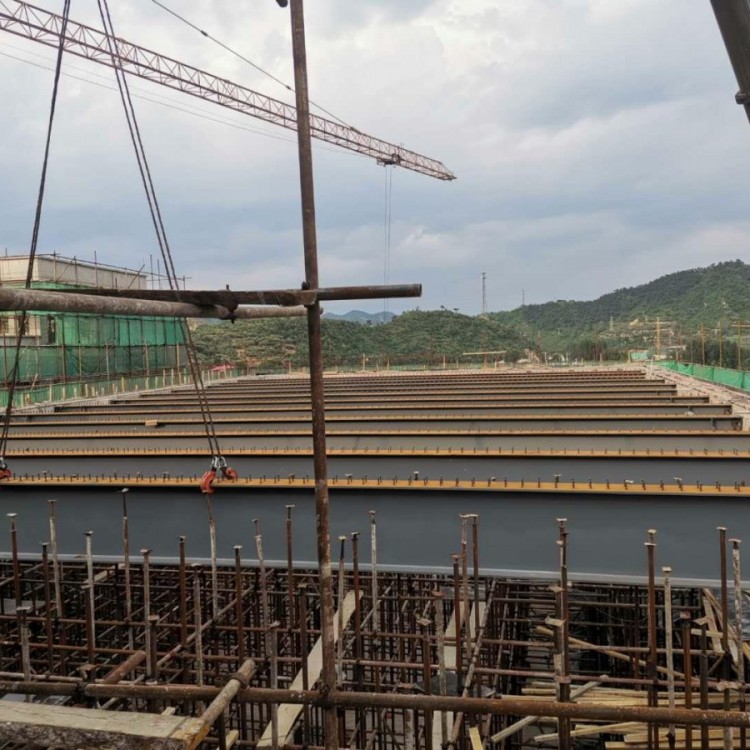
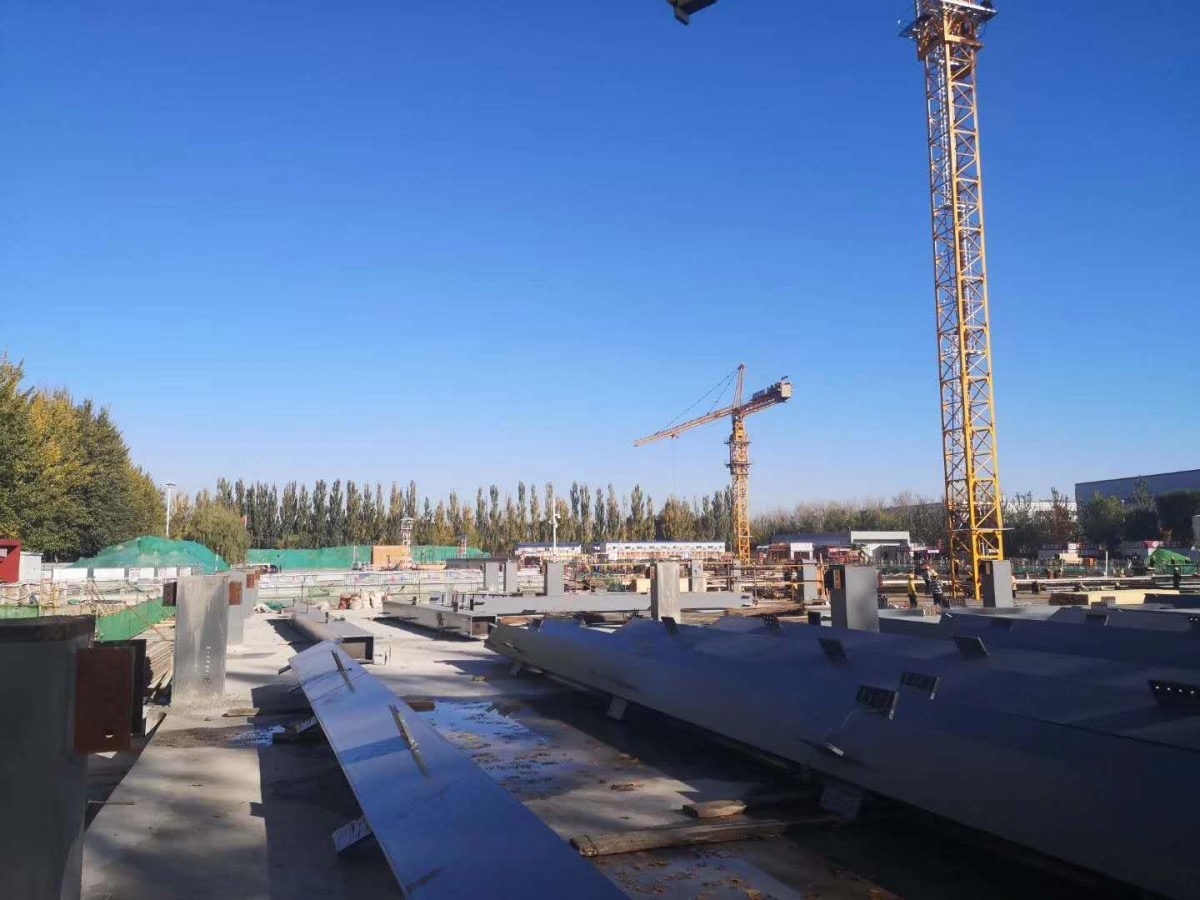
Structural steel construction represents a new building system that blurs the boundaries between the real estate, construction, and metallurgy industries, integrating into a new industry framework. This is an area that the structural steel construction industry as a whole is optimistic about.
Compared to traditional concrete buildings, steel structure buildings use steel plates or sections instead of reinforced concrete, offering higher strength and better seismic resistance. Moreover, with components manufactured in factories and installed on-site, construction timelines are significantly shortened. Due to the recyclability of steel, building waste can be greatly reduced, making it more environmentally friendly. As a result, it is widely used in industrial and residential buildings worldwide.
Currently, the application of steel structures in high-rise and ultra-high-rise buildings is becoming increasingly mature. It is gradually becoming the mainstream construction technology and the direction for the development of future architecture.
The steel has high strength and modulus of elasticity, even material properties, good plasticity and toughness, high precision, easy installation, high degree of industrialization, and fast construction speed. However, it has poor corrosion resistance and fire resistance, requiring frequent maintenance.
