
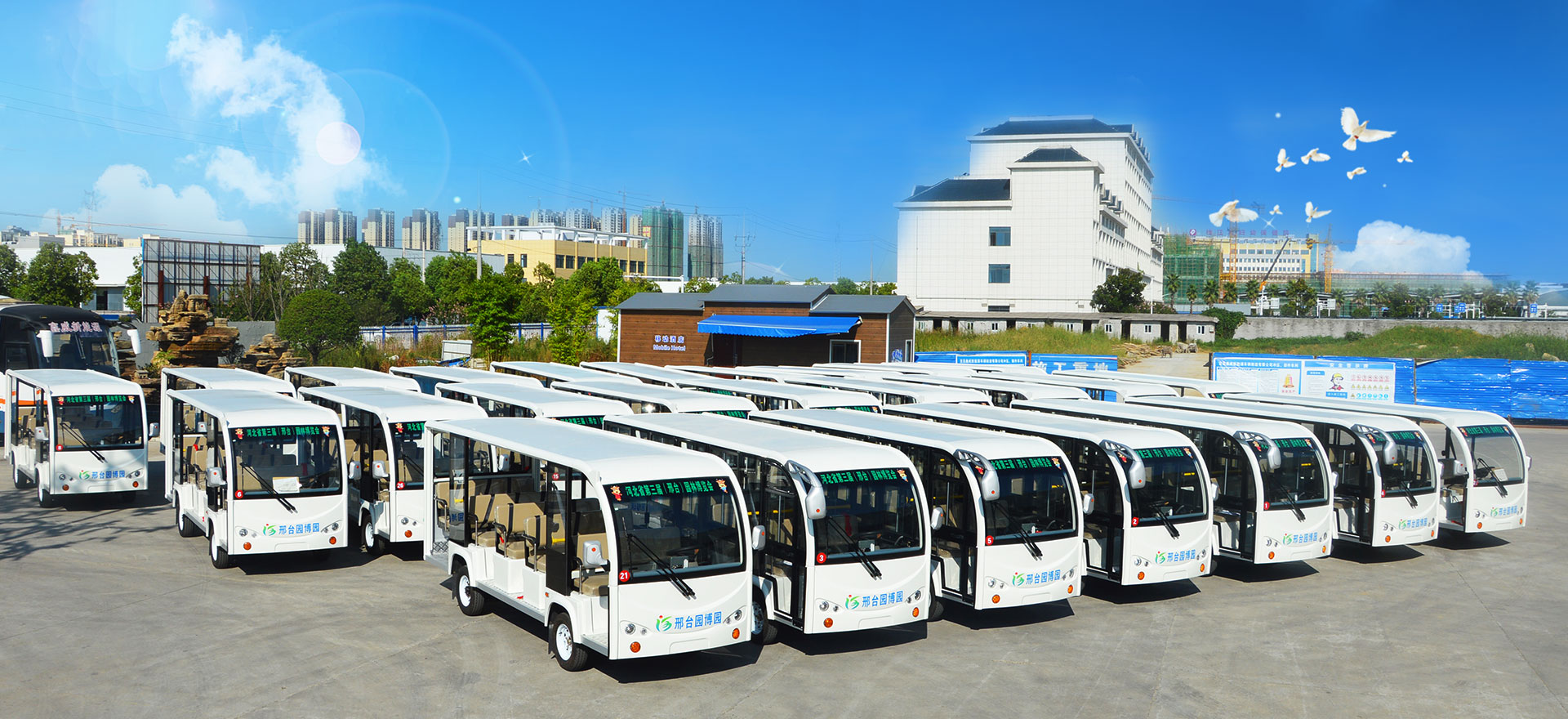


Our electric sightseeing vehicle manufacturer's electric sightseeing cars are low-speed vehicles powered by batteries. Due to their electric operation, they are environmentally friendly with zero pollution and efficiently utilize resources. They feature a highly personalized control system, very flexible steering, a comfortable grip, lightness, fluidity, energy recovery, and a long lifespan. Currently, our electric sightseeing cars are widely used in scenic areas, hotels, industrial parks, stations, harbors, airports, sports stadiums, schools, parks, and amusement parks.
As the recognition of eco-friendly travel increases, the variety of electric sightseeing vehicles in daily life is also growing. In fact, the application scope of electric sightseeing vehicles in work and life has expanded. Even in service sectors like scenic areas and hotels, where sightseeing vehicles are renowned, they are all powered by electricity without exception. After all, electricity can be recycled as a clean energy source, but it also demands strict rationality and scientificity in vehicle maintenance.
Electric sightseeing vehicle manufacturers emphasize the pervasive impact of maintenance on vehicle performance. As these vehicles are powered by electricity, not only do the hardware facilities require upkeep, but circuit maintenance cannot be underestimated. After all, as the power system of sightseeing vehicles, it directly affects driving safety and lifespan. To enhance the practicality of sightseeing vehicles, every aspect of scientific maintenance should be given attention. With the increased application of electric sightseeing vehicles in many industries, it is particularly crucial for manufacturers to master vehicle maintenance skills. Although the electric sightseeing vehicles from the manufacturer may not have complex structures on the surface, a lack of means for circuit maintenance can actually pose safety risks. Therefore, it is imperative to adhere to the manufacturer's maintenance guidelines post-implementation, and observing the circuits during charging is also of great importance.

