


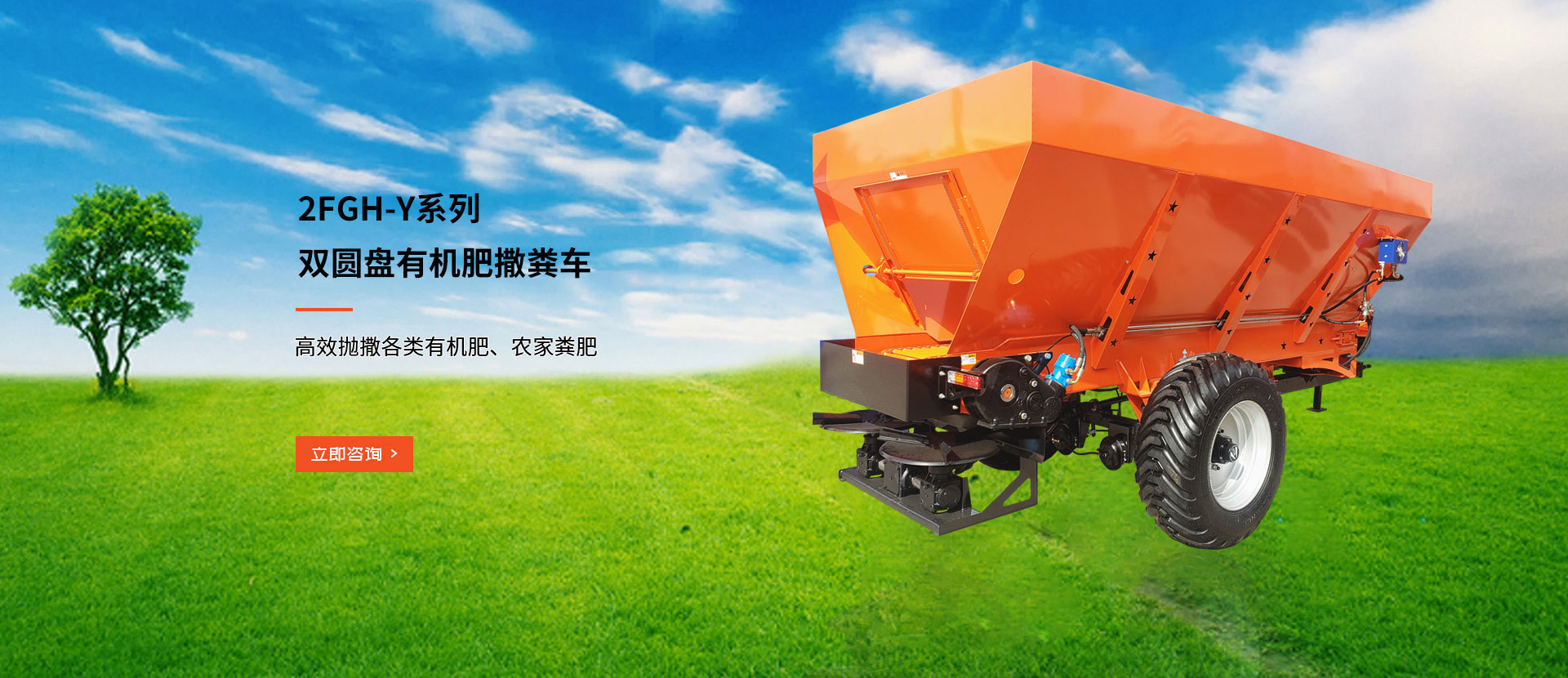
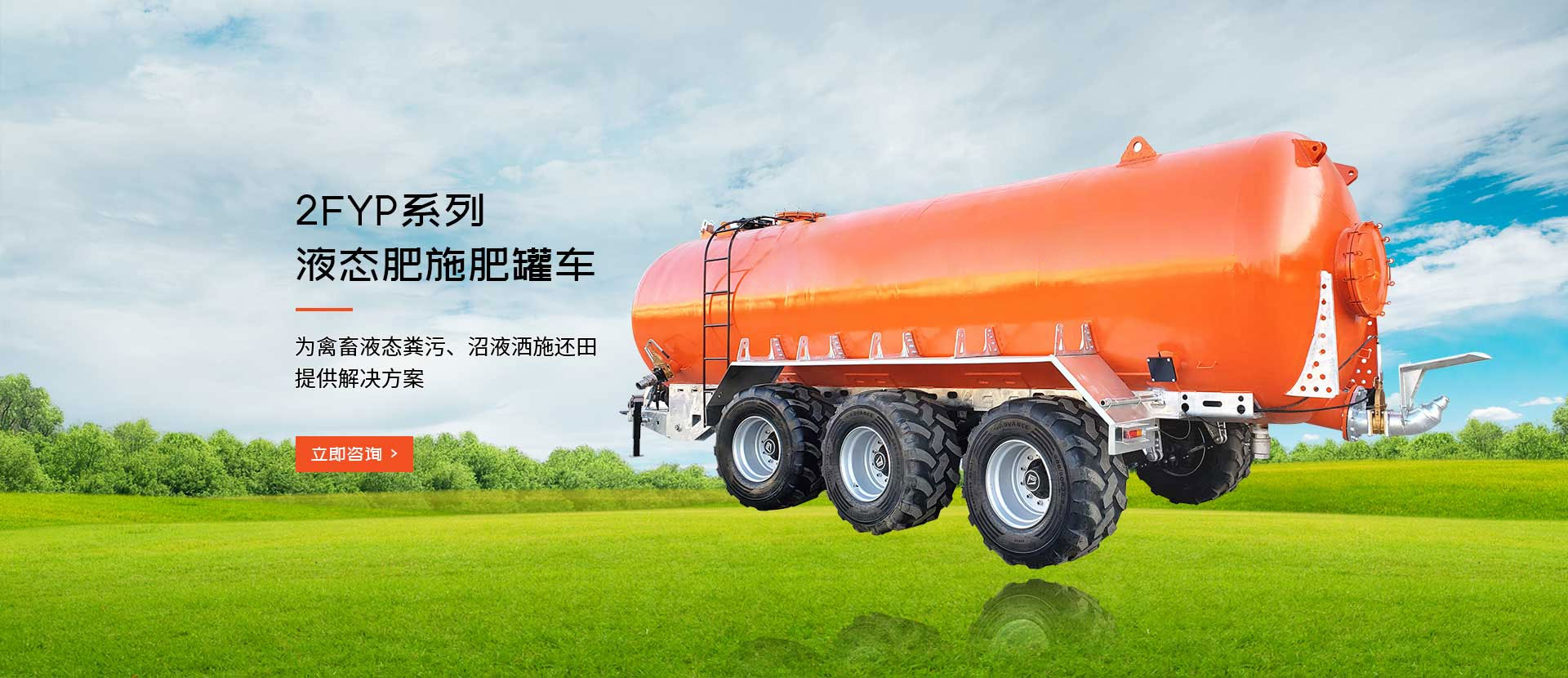
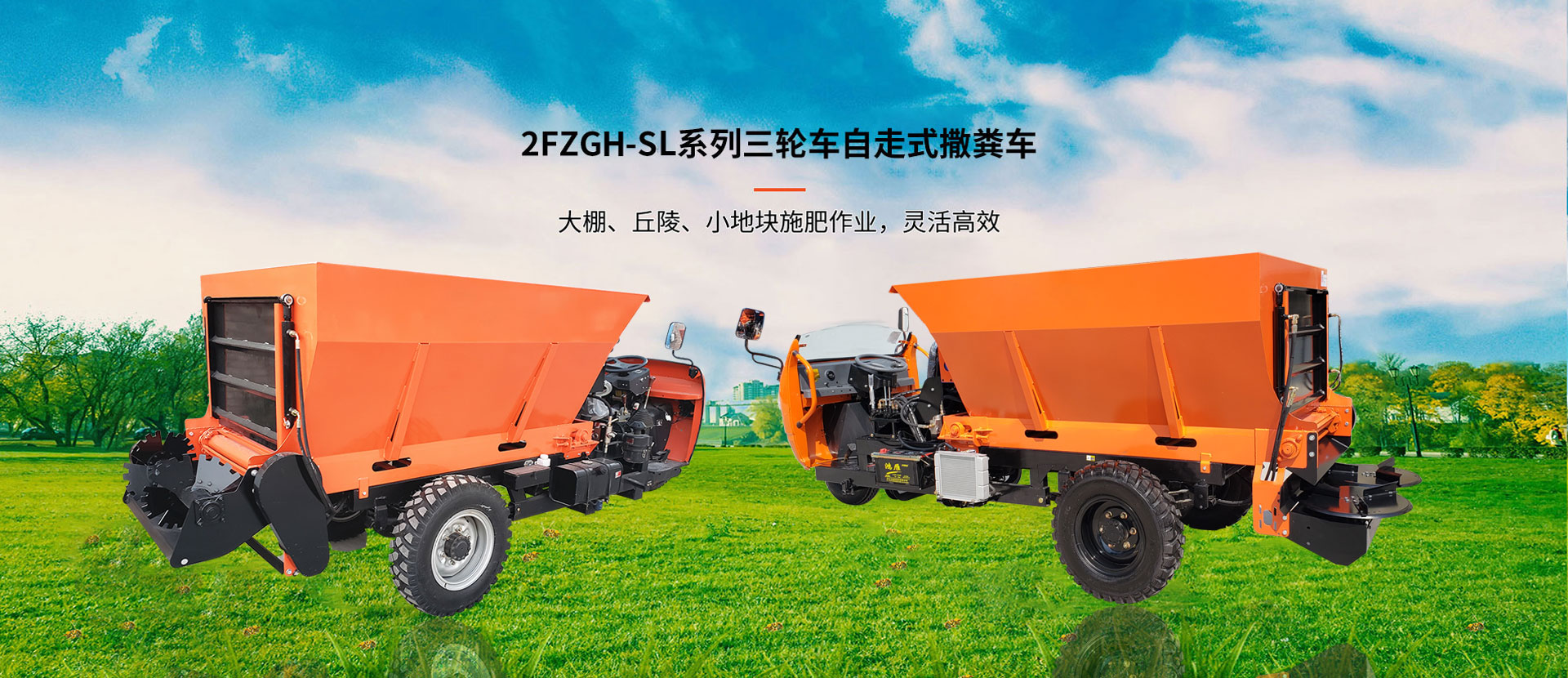

Due to the long-term application of chemical fertilizers on the land, certain nutrients in the soil are severely depleted, resulting in hardening of the soil and affecting the quality of agricultural products. Therefore, it is necessary to extensively apply organic and farmyard manure to improve soil and crop quality. In the past, most fertilizers were transported to the fields by large trucks, evenly stacked into small piles, and then spread out with shovels, sometimes scattered along the trucks. This method is low in labor productivity and leads to uneven fertilization. The use of fertilizer spreaders can increase labor productivity and fertilizer quality, avoiding uneven distribution. It not only enhances crop yields but also overcomes the issue of soil hardening locally. More importantly, it saves costs for the general public in farming.

The fertilizer spreader is primarily composed of a welded tractor-mounted frame and frame, conveying system, spreader system, hydraulic system, and ground wheel mechanism. In the machine's conveying system, the hydraulic motor is driven by the tractor's hydraulic output, and the entire fertilizer box moves backward synchronously through a chain drive mechanism; the spreading system of the machine is driven by the power output shaft of the tractor. The three-stage gear box drives the drill spreader, while also coordinating with a double-disc spreader. This machine is a multi-functional seed drill, mainly used for spreading base fertilizer. It can be used to apply organic fertilizers or organic manure in farmlands, grasslands, pastures, and other areas.
This innovative design is user-friendly, easy to install, and highly efficient, allowing adjustments based on the size of the fertilizer particles. It also enables the modification of the fertilization width and amount, ensuring a swift fertilization process. Generally, when the fertilizer particles are larger, the fertilization width increases while the amount decreases.


