
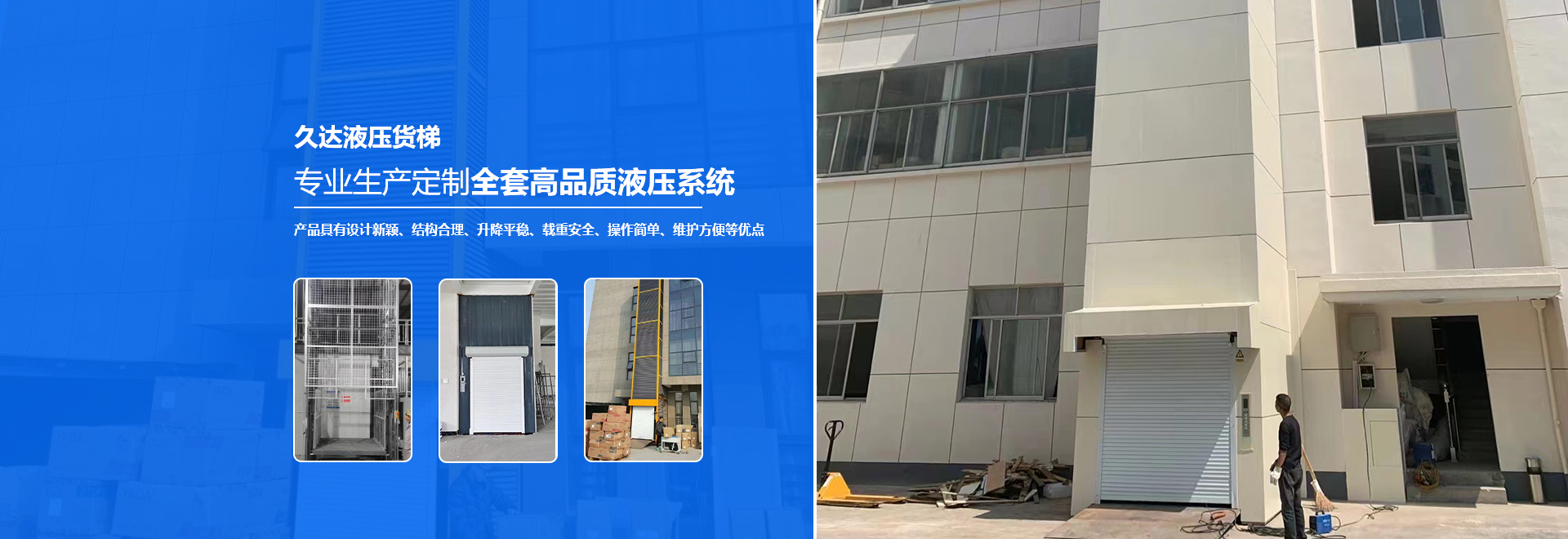
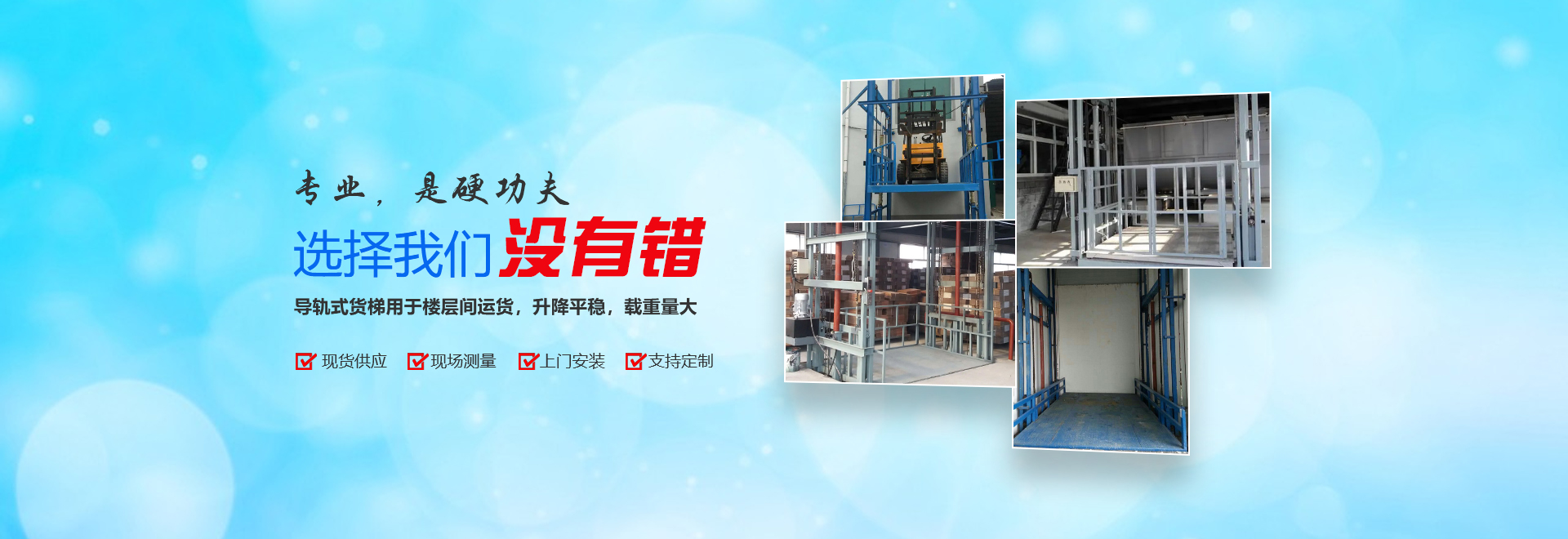

Hydraulic goods lifts are a common logistics equipment, primarily used for the vertical transportation of materials, and are widely applied in industries such as warehousing, logistics distribution, and supermarkets. Compared to regular elevators, hydraulic goods lifts have significant differences. Elevators are designed for the transportation of people, whereas hydraulic goods lifts are specifically intended for goods transportation. Therefore, should hydraulic goods lifts be classified as special equipment?
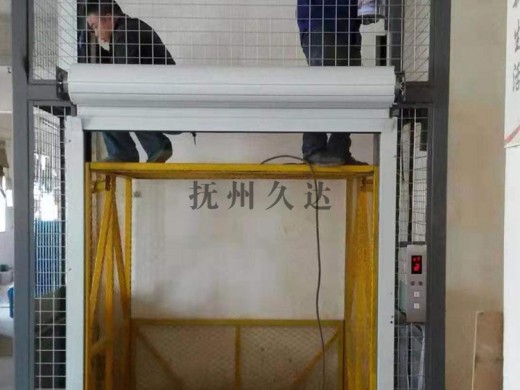
Hydraulic Freight Elevator
Before addressing this question, it's essential to understand what is meant by special equipment. Special equipment refers to fixed assets produced by specialized manufacturers, which require the installation, maintenance, and repair to be carried out by personnel holding special equipment installation, modification, and maintenance certificates. These assets are subject to periodic inspections and include the following categories: 1. Pressure vessel special equipment (such as steam boilers, compressed gas containers); 2. Special equipment for packaging and containers of hazardous chemicals (such as tanker trucks, hydraulic lifting platforms for hazardous material transport); 3. Elevator special equipment; 4. Special vehicles for personal use and special equipment; 5. Large amusement facilities special equipment.
From the above professional definition, it is clear that special equipment poses certain risks and requires specific operational characteristics. As such, specialized personnel are needed for operation and maintenance during production, installation, use, and maintenance. Regular inspections and supervision are also mandatory. This is crucial, as improper use or maintenance of special equipment can lead to significant personal and property losses.
Is the hydraulic lift platform classified as a special equipment?
The specific classification of the hydraulic lift platform as a special type of equipment requires reference to the relevant provisions of China's "Special Equipment Safety Law," combined with local management regulations for judgment.
In accordance with the "Special Equipment Safety Law," two factors must be considered for hydraulic lifting platforms.
Equipment Function: The hydraulic lift platform is designed for cargo transportation and features lifting, handling, and storage capabilities.
2. Application Scope of Equipment: The hydraulic lift platform is primarily used in specific industries such as logistics, warehousing, and supermarkets.
Considering the aforementioned two factors, the hydraulic lift platform is a special type of equipment, yet it is not classified as a hazardous chemical container, pressure vessel, or large amusement facility.
Hydraulic elevating platforms fall under the category of elevators and special equipment, which are classified as special equipment. They must comply with the relevant provisions of the Special Equipment Safety Law.
How to comply with special equipment safety regulations for hydraulic lifting platforms?
Safety management for hydraulic lifting platforms requires following the following procedures:
Manufacturing and Installation: Production and installation must be carried out by manufacturers with specific qualifications and approved by relevant authorities.
2. Inspection: Special equipment must undergo inspection prior to use to ensure it is in perfect condition and meets the required standards.
3. Maintenance: Equipment repair requires relevant professional certification and the use of genuine or standardized spare parts.
4. Regular Inspections: Discrete transportation equipment undergoes annual inspections. Equipment used continuously should be subject to routine inspections after each continuous use period of two years.
5. Routine Maintenance: Routine maintenance should be performed by dedicated maintenance staff, which includes daily checks of equipment operation, timely cleaning, equipment maintenance, and attention to the cleanliness of the surrounding environment.
6. Safety Education and Training: Regularly conduct safety education and training sessions to enhance the safety awareness and skill levels of staff, and improve their emergency response capabilities.
In summary, while the hydraulic lifting elevator is not classified as a special equipment type for hazardous chemicals containers or pressure vessels, it still falls under the category of special equipment. It is therefore necessary to comply with relevant national and local regulations for its production, installation, maintenance, inspection, and use. Only by doing so can the normal operation of the equipment be ensured and potential losses be avoided.
