




Waterproofing and leak repair, the traditional approach is to fix the leak where it occurs. The new waterproofing method, however, discards this traditional notion. If the waterproof layer leaks, simply perform waterproofing and leak prevention work on the exterior of the tiles. As long as the outer tile surface is properly waterproofed, the effect is the same. Waterproofing and leak repair procedure: Use a knife to remove the waterproof cement or adhesive between tiles, then dry the floor with an oven for a period of time. Next, fill the grooves with cement of the same color as the floor (if the floor is white, use white cement; if black, use black cement). This is done for aesthetic reasons. Then, slowly inject a special CPC waterproofing agent into the cement. After 1-2 days, the waterproofing agent and cement will firmly adhere to the tiles, effectively forming a stable waterproof layer.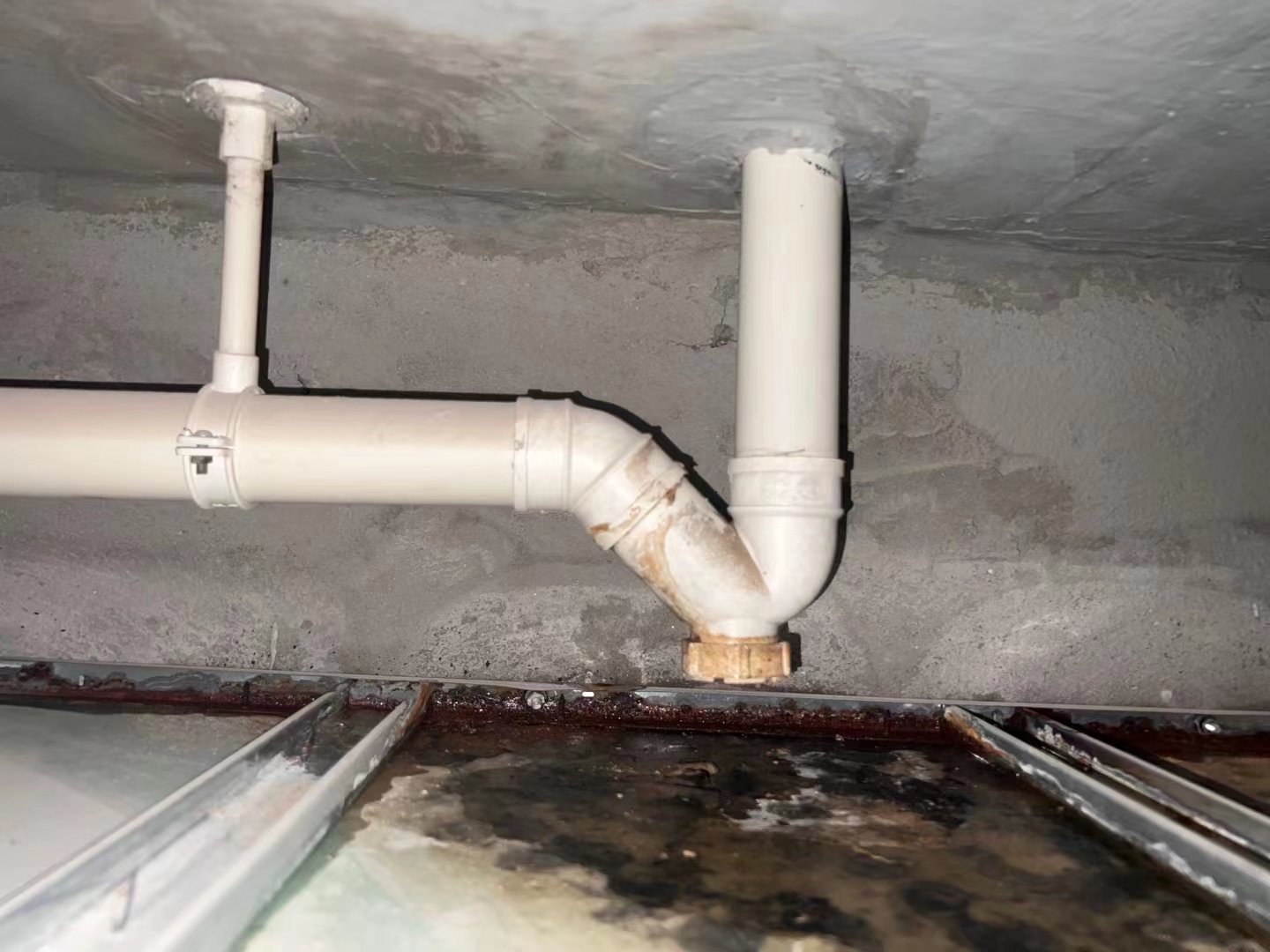
What materials are recommended for waterproofing and leak repair in bathrooms?
During home renovation, waterproofing is akin to the flip side of this story. As a concealed part of home improvement, if this aspect is not properly executed, unexpected leaks may occur, revealing the devilish nature behind the angelic appearance. More distressing is that leak issues not only bring hardship to family life but also trigger numerous disputes with neighbors. The choice of waterproof coatings becomes crucial in selecting construction materials. Which waterproof coating is the best? What should be noted during the selection process?
Firstly, when selecting, be cautious as there is an abundance of counterfeit goods on the market. Toxic materials that are explicitly banned or prohibited are also大量 flooding into people's homes through street stalls or guerrilla operations. As a result, choosing products with high selection criteria, good reputation, strong anti-counterfeiting measures, and international quality system certification is crucial. More importantly, these products have been tested and proven effective. This is self-evident. Secondly, ensure comprehensive waterproofing: the ground and walls of bathrooms (return height not less than 180CM), kitchen and balcony floors and walls (return height not less than 30CM), all ground and walls of first-floor residential buildings (return height 30CM), and the thickness of the waterproofing layer must be sufficient: the thickness of the waterproofing layer directly affects its lifespan. Reducing the thickness of the waterproofing layer is equivalent to reducing its lifespan. The required thickness should generally not be less than 2MM and must not be less than two cross-coatings. The construction process must be meticulous: it is particularly important to pay attention to the joints between walls and floors, pipes, floor drains, corners, and the surrounding areas of sanitary fixtures, as well as the grooves for laying cold and hot pipes. The construction must be detailed. Water-tightness Test: After the waterproofing work is completed, seal the door and floor drain, and store water indoors for at least 48 hours. Check for any leakage points. If leakage is detected, immediate remedial measures must be taken.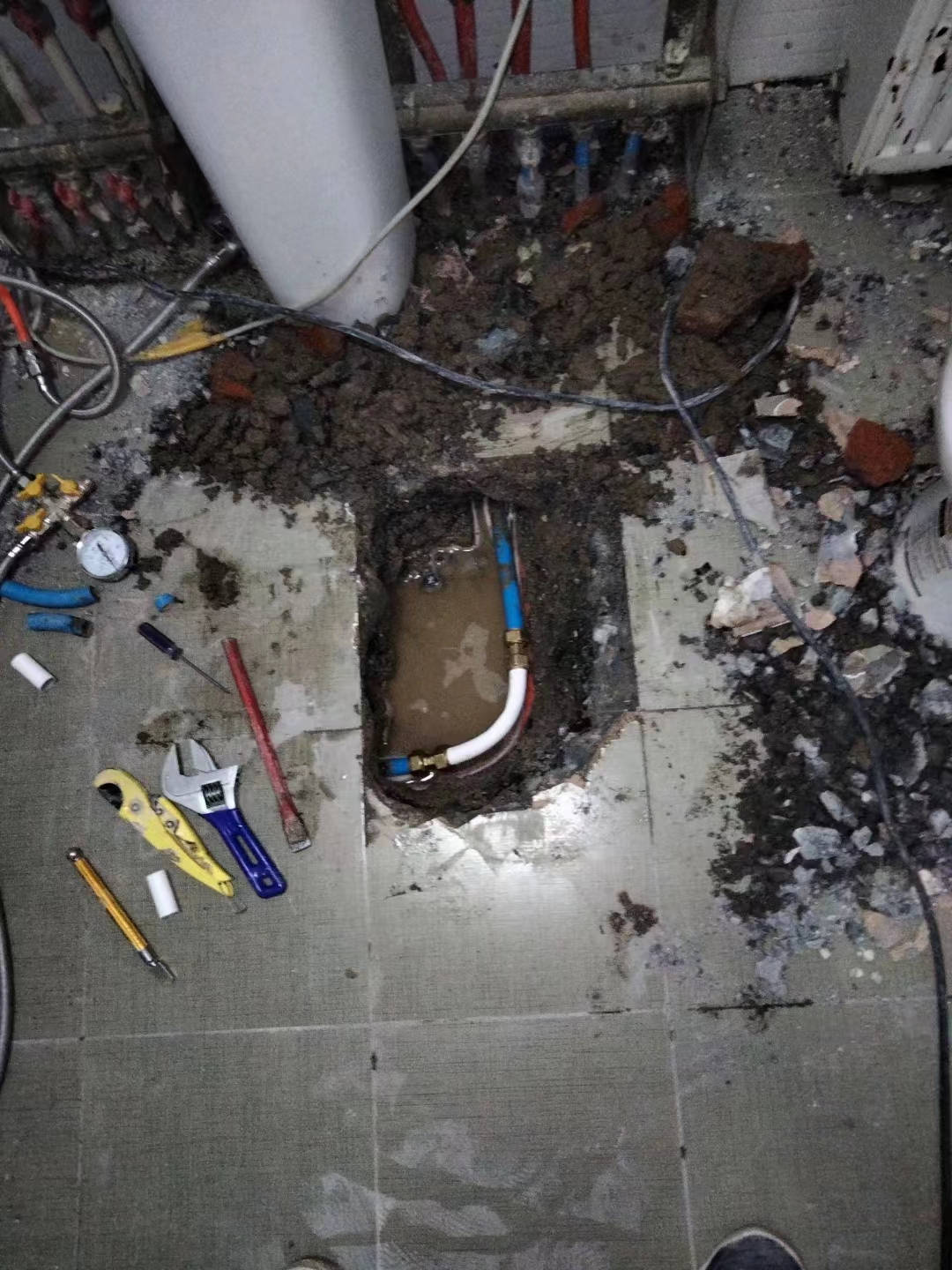
Many people are now building houses directly at home. For the rooftops, it's essential to ensure effective home waterproofing, otherwise, if leaks occur later, it could pose a significant threat to the family's financial and property assets. So, what are the specific measures to take?
How to do roof waterproofing and leak repair?
1. As for the construction method, it's suitable for rural areas. A brief waterproofing and leak repair on the roof was done, and it still works effectively. Just ensure the cement is applied evenly. The second method is suitable for urban areas too, not too difficult, but it's important to note that the mixed materials should be used up before they set.
2. Construction should be avoided during extreme heat, and after coatings have cured under the scorching sun, they should be promptly covered to prevent sun damage during wet maintenance. Antifreeze should be added during construction at 0°C; moisture should also be avoided during the storage of waterproof materials.
3. The leveling layer of cement mortar must be hung with lines according to the design requirements or象征 slope, and the partitioning board strips must be properly installed.
4. After leveling with cement mortar and allowing it to dry, the surface should be smoothed twice to achieve a flat and dense finish. Proper maintenance is essential. At the roof corner transitions, use a rounded trowel to create a curved edge. The leveling layer within a 50cm diameter around the water outlet should be shaped into a depression.
5. The partition joints can be opened or partially 1/2 split, with the lower section not being separated. The partition joints are filled with sealed materials. Before the waterproofing layer is installed, dust, sand, gravel, debris, oil stains, and砂浆lumps must be thoroughly cleaned from the sub-layer. When there are concave and convex spans, the waterproofing layer should be installed from higher to lower, and within the same span, from farther to closer, starting from the lower end.
Roof Waterproofing Construction Key Points?
1. Roof Waterproofing Construction Key Points - Environmental Requirements for Construction. To ensure the quality of construction operations and the laying of membranes, it is advisable to carry out the work at temperatures between +50°C to +35°C.
2. Polymer-modified asphalt and high polymer waterproof membranes should not be installed below freezing temperatures. The hot melt method for laying membranes can be used at temperatures above -100°C, as these membranes are cold-resistant and less prone to damage in sub-zero conditions. It is not advisable to perform outdoor work in rain, snow, frost, fog, or when atmospheric humidity is excessively high, or during strong wind conditions. Appropriate technical measures should be taken in such cases.
3. Roof Waterproofing Construction Key Points - Requirements for Roof Drainage Slope. The drainage slope for flat roofs should be between 2% to 3%. When the slope is less than or equal to 2%, it is recommended to use materials for slope adjustment.
4. When the slope is greater than 3%, it is advisable to use structural slope. The longitudinal slope of the eaves and gutters should not be less than 1%, and the drop at the bottom of the groove should not exceed 200mm. The slope within a diameter of 500mm around the drain should not be less than 5%.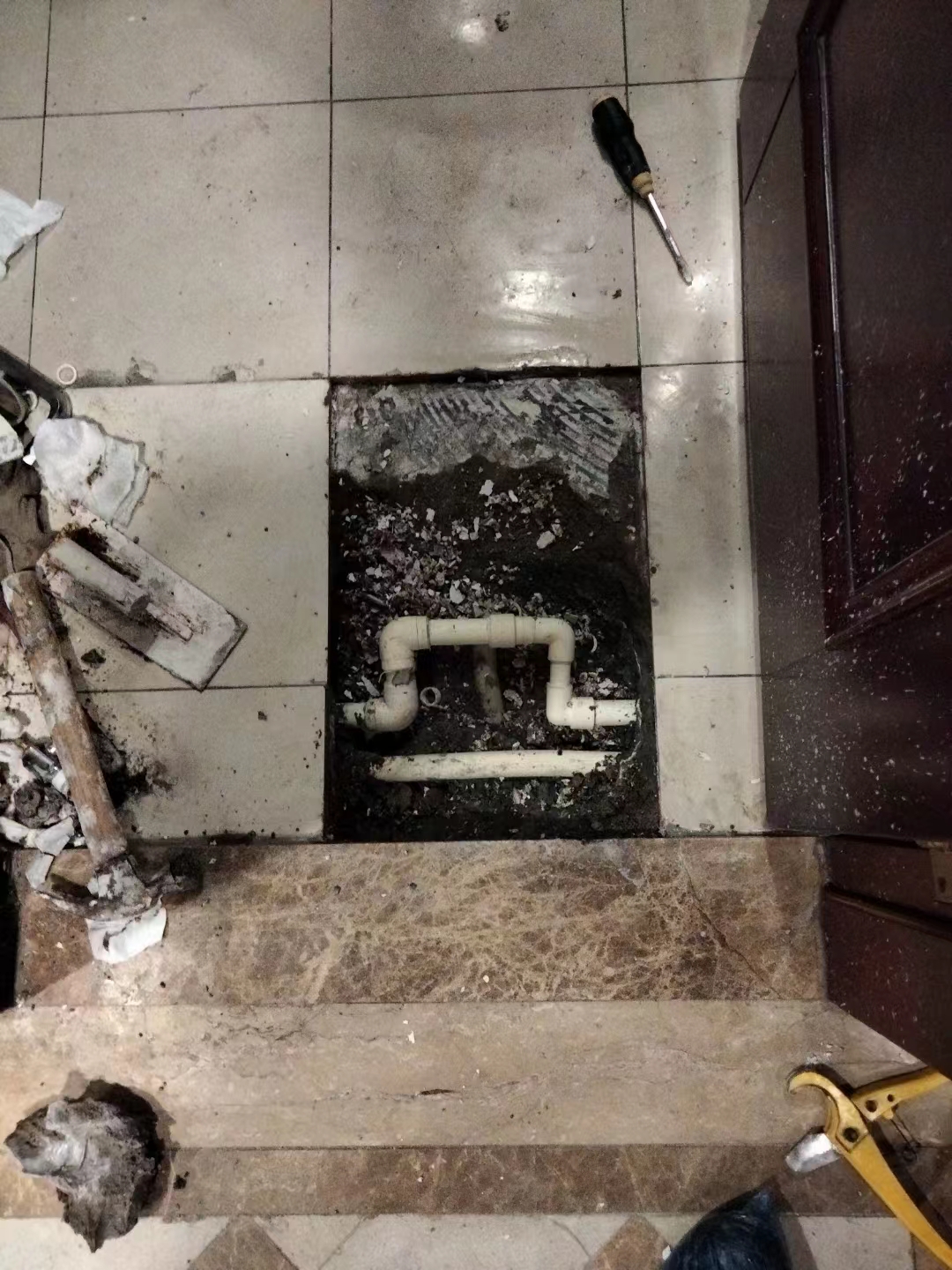
Do you know the measures for waterproofing and leak-proofing in bathrooms without breaking the tiles?
1. Drainage leaks at floor drain outlets: The outlet elevation does not match the ground or bathroom equipment elevation, causing backflow; cleaning equipment drainage is clogged, leading to leakage or decay in the thin sections of the felt; the opening of the pipe sleeve in the floor is too small, allowing water to leak directly through to the bottom floor ceiling.
Secondly, there are some or widespread leaks in the bottom ceiling due to the aging and splitting of the felt after the roofing felt was applied, as the maintenance work was not properly done. Additionally, because of hollows in the subfloor that have cracked, the pipe through the floorboard was not properly sheathed, and the hole's R was not properly treated after drilling. The concrete used to fill the hole and the debris such as wood shavings were not properly sealed, causing cracks at the junction between the filled concrete and the floorboard. This leads to the bonding between the waterproofing layer and the leveling layer being compromised, creating an entry point for water. Water leakage may occur as a result.
Three: There is a leak at the connection between the squatting pan and the drain pipe due to the improper height of the drain pipe and the insufficient depth of the squatting pan's outlet into the drain pipe. The joint area was not sealed properly. The waterproofing in the restroom was inadequate, resulting in water accumulation on the ground after using the squatting pan, damp walls, and even moisture and dripping on the ceiling and bottom wall.
Four, the waterproof height is insufficient, causing the other side of the cleaning inquiry body to show wet spots or streaks, even flowing along the pipeline joints to the next level. The felt搓口 does not adhere properly, showing gaps and curled edges, or due to some deformation of the base layer, causing the felt to crack at the intersection of the flat and vertical surfaces, resulting in wet spots or fine streaks on the base layer and pipeline grooves.
Five: Leakage at the water well import of the squatting toilet: The connection at the top of the squatting toilet was damaged during construction and not discovered. The water inlet rubber bowl was not properly bound, or after being bound with wire, the wire rusted and broke, and the rubber bowl's connection with the squatting toilet was split, causing water leakage. The measures to prevent water leakage in the bathroom led to water accumulation on the ground after use.
Waterproofing and Leak Repair: What methods are available for waterproofing without damaging tiles? Firstly, it's crucial to note that the use of waterproof coatings must be applied on clean, solid, and level substrates to form a strong bond. It's impossible to achieve proper waterproofing by simply painting waterproof coatings directly on tiles, as the glaze on tile surfaces can cause the waterproof layer to peel off, failing to adhere securely to the base material.
There's a product on the market advertised as a "no-dig floor tile sealer" that claims to provide waterproofing. However, it's not a waterproofing paint; it needs to be mixed with cement and concrete. It's an additive that doesn't have waterproofing properties on its own. It achieves waterproofing by increasing the density of the cement through mixing with mortar. But this is a rigid waterproofing method, which can crack over time. To completely seal leaks, you have to remove the decorative layer and protective layer. So, the best solution is to remove the tiles and redo the waterproofing.
Service coverage throughout all of Beijing: Dongcheng District, Xicheng District, Chaoyang District, Fengtai District, Shijingshan District, Haidian District, Shunyi District, Tongzhou District, Daxing District, Fangshan District, Mentougou District, Changping District, Pinggu District, Miyun District, Huairou District, Yanqing District, and surrounding areas for leak repair.
Service Scope; Main Business: Waterproofing Projects, Waterproof Walls, Burst and Ruptured Water Pipes
Waterproof Coatings, Roof Waterproofing, Waterproof Membranes, Waterproof Sealing, Building Waterproofing, Bathroom Waterproofing
Exterior Waterproofing, Roof Waterproofing, Basement Waterproofing, Bridge Deck Waterproofing, Waterproof Connectors, Waterproofing Construction
Roof leak repair, color steel building waterproofing, roof waterproofing repair and leak plugging under pressure, rainproofing.
Pipe Leak Sealing Reinforcement, External Wall Leak Sealing Grouting, Underground Engineering Leak Sealing, Building Leak Sealing, Tunnel Leak Sealing
Waterproofing and leak repair, flat roof leak repair, seepage prevention and repair, building leak repair. Concrete structure settlement joints.
Expansion joints, deformation joints, crack joints leakage stop grouting construction. Roofing balcony color steel roof installation
Terrace rooftop waterproofing, rooftop terrace waterproofing layer corrosion and aging; engaged in residential repair waterproofing and leakage prevention services, undertaking all types of large, medium, and small-scale waterproofing projects
Engineering company. The company has accumulated extensive construction experience over the years.
Quality is the lifeblood of our company. We are eager to establish a long-term and stable business partnership with you.
We are committed to alleviating your concerns about leaks.
Perform waterproofing and leak repair updates.
Roof gutter troughs and sloping tile roofs require waterproofing and leak repairs.
Roof terrace waterproofing and leak repair for villas, as well as roof crack leak waterproofing and renovation.
Leakproofing and repair at the wall junction of color steel roof; leakproofing and repair for flat roof.
All-in-one service. Integrity in conduct, dedication in action, sincerely hoping to serve you.
Service Targets: Government agencies, schools, residential property management, construction companies,
Beijing Tongzhou Leak Detection - Free On-Site Inspection - Waterproofing and Leak Sealing for New and Old Roofs
