



Waterproofing and leak sealing, as the name implies, refers to the construction of waterproofing treatment for both indoor and outdoor areas of buildings, as well as the repair work for leaky areas. When it comes to bathrooms, what are the common issues?
1. Water leakage in the building indicates a problem with the waterproofing layer. The exterior is covered with hard tiles. Traditionally, this involves removing the tiles, then digging out the waterproofing layer, redoing the new waterproofing, and finally reinstalling the tiles. This process entails significant costs for labor, materials, and time.
2. Waterproofing and leak repair traditionally means fixing the leak where it occurs. However, the new method of waterproofing and leak repair eschews this traditional approach. If the waterproofing layer leaks, simply apply waterproofing measures to the tiles outside. As long as the outer tile surface is properly waterproofed, the effect is the same.
3. Waterproofing and Leak Repair Method: Use a knife to remove the waterproof cement or adhesive between tiles, then dry the floor with an oven for the specified time. Fill the grooves with cement of the same color as the floor (use white cement for white floors and black cement for black floors to maintain aesthetic appeal). Next, slowly inject a special CPC waterproofing agent into the cement. After 1-2 days, the waterproofing agent and cement will firmly adhere to the tiles, effectively creating a stable waterproof layer.
In fact, as long as we follow the procedure step by step, waterproofing and leak prevention is straightforward. I hope the content introduced can be helpful to everyone.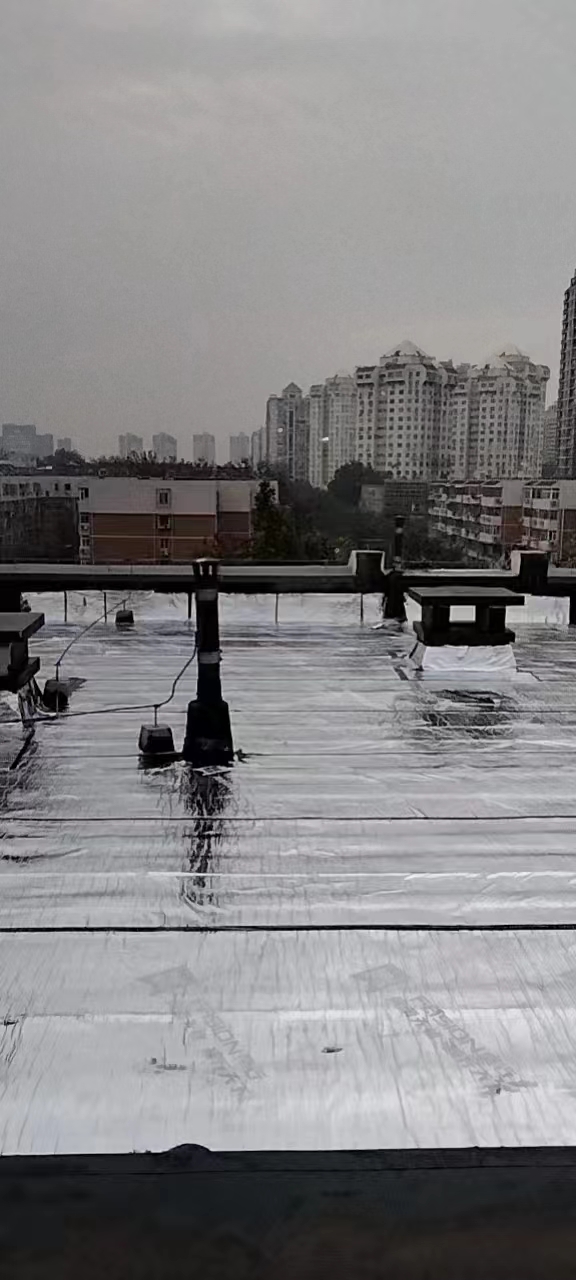
Why do we often see hollowed tiles on waterproofing layers?
In waterproofing projects, we all know that choosing the wrong waterproof materials directly affects the quality of waterproofing. But what else can improper material selection affect? It can lead to hollow tiles in the waterproofing layer. The most commonly used waterproof materials in kitchens and bathrooms are waterproof coatings, but in engineering practice, some kitchens and bathrooms have chosen waterproof membranes. Membranes have dense surfaces, low water absorption rates, high flexibility, and significant deformation, making them difficult to adhere to. Tiles adhesive has a much higher elastic modulus than membranes, struggling to adapt to the high flexibility of membranes, which can easily cause hollow tiles. Just from this aspect, kitchens and bathrooms with decorative tiles are not suitable for waterproof membranes! Some polymer cement waterproof mortars and slurries add excessive hydrophobic agents to reduce the surface water absorption speed, attracting customers. This leads to an overly strong hydrophobic surface in the waterproof coating layer, severely affecting the bonding between the tile adhesive and the waterproofing layer, reducing the bonding strength, and increasing the risk of hollow tiles. In this regard, flexible waterproof coatings can be chosen for the ground to adapt to shrinkage and deformation caused by ground settlement, while rigid waterproof mortars or slurries can be chosen for the walls to adapt to subsequent tile laying. Waterproof materials must be mixed according to the product instructions, and it is strictly prohibited to add extra water or arbitrarily change the proportion of the product's components. These incorrect operations can affect the waterproofing performance and strength of the waterproofing layer. If the strength of the waterproofing layer is too low, it may lead to cohesive failure and hollow tiles. Therefore, we must follow the specifications and standards to ensure the quality of waterproofing and prevent hollow tiles in the waterproofing layer.
In summary, the common issue of hollow tiles in waterproofing layers is often due to non-standard construction practices and material selection during installation. This leads to a series of minor details problems. Therefore, we should be adept at identifying and resolving these issues, truly ensuring standardized construction and the quality of the finished product.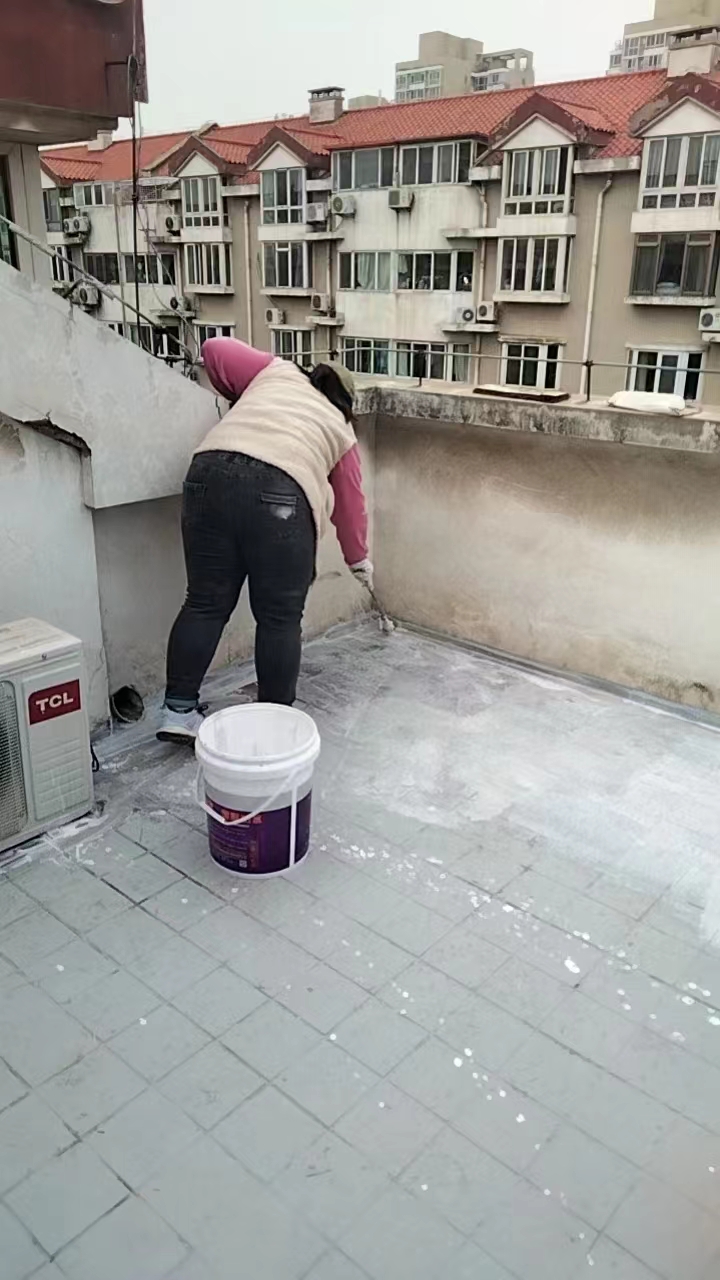
Many people are now building houses directly at home, so for the rooftops, it's crucial to ensure effective home waterproofing. Otherwise, if leaks occur later, it could pose a significant threat to the economic and property well-being of the household. What are the specific methods to do this?
How to do roof waterproofing and leak repair?
1. As for the construction method, it's suitable for rural areas. A brief waterproofing and leakage repair on the roof was done, but it still serves its purpose. Just make sure the cement is applied evenly. The second method is suitable for urban areas too, and it's not too difficult, but it's important to note that the mixed materials should be used immediately after mixing and before they set.
2. Construction should be avoided during extreme heat, and after coating has cured in the sun, it should be promptly covered to protect it from wet maintenance. Add anti-freezing agent when construction is at 0°C; waterproof materials should not become damp during storage.
3. The leveling layer of cement mortar must be hung with strings according to the design requirements or象征slope, and the partitioning strips should be properly installed.
4. After leveling with cement mortar and allowing it to dry, the surface should be smoothed twice to achieve a flat and dense finish. Proper maintenance is essential. At the roof corners, a rounded trowel should be used to create a curved edge. The leveling layer within a 50cm diameter around the water outlet should be shaped into a depression.
5. The partition grooves can be opened or partially cut at 1/2 intervals, but the lower section remains uncut. Sealing material is embedded within the partition grooves. Before the waterproofing layer is applied, it is essential to clean the sub-layer of dust, sand, gravel, debris, oil stains, and mortar lumps. When there are convex and concave spans, the waterproofing layer should be installed following the principle of starting from the higher to the lower span. Within the same span, installation should proceed from the farthest to the nearest, starting from the lower end.
Roof Waterproofing Construction Key Points?
Roof Waterproofing Construction Key Points - Environmental Requirements. To ensure the quality of construction operations and the laying of membranes, it is advisable to carry out the work under temperatures of +50°C to +35°C.
2. Polymer-modified asphalt and high polymer waterproof membranes should not be installed below freezing temperatures. Hot melt methods for laying membranes can be used at temperatures above -100°C, as these membranes are cold-resistant and less prone to freezing damage under low temperatures. It is not advisable to perform outdoor work during rain, snow, frost, fog, or high atmospheric humidity, and in windy conditions. Appropriate technical measures should be taken if outdoor work is necessary.
3. Roof Waterproofing Construction Key Points - Requirements for Roof Drainage Slope. The drainage slope for flat roofs should be between 2% to 3%. When the slope is less than or equal to 2%, it is recommended to use materials to create the slope.
4. When the slope exceeds 3%, it is advisable to use structural drainage. The longitudinal slope of gutters and eaves should not be less than 1%, and the drop at the bottom of the gutter should not exceed 200mm. The slope within a diameter of 500mm around the drain should not be less than 5%.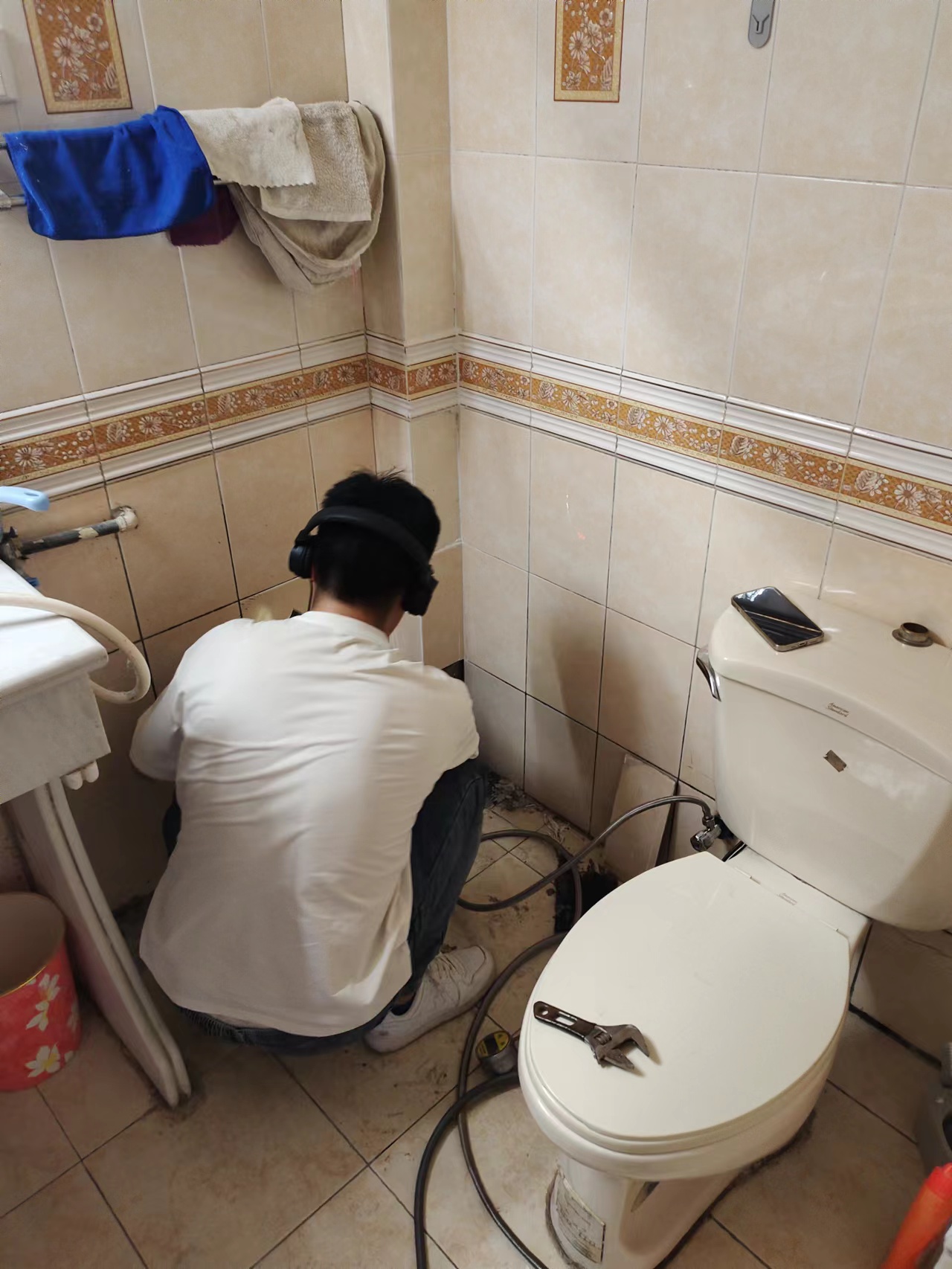
Basics of Waterproofing and Leak Repair
1. The Characteristics of Water: Water is pervasive and infiltrates buildings gradually through forces such as wind pressure, convection, impact, adhesion, and capillary action. It is not easily detectable on the surface during the infiltration process. In other words, to find the cause of water leakage, one must delve into the "interior" for analysis and judgment to treat the problem effectively. [1]
2. Pressure Changes: Once water seeps into a building, within a confined space, when exposed to the sun, it generates heat and turns into steam. This steam builds up significant pressure that can destroy the existing waterproofing layer, and even the surface finishes and decorative materials (such as peeling paint, blackening wallpaper, bulging tiles, or swollen wooden floors). In other words, if a unit of water turns entirely into steam within the limited space of a building, it creates a pressure 1,240 times greater. The destructive power of this pressure is terrifying. (Hence, we often find waterproofing sealant failing on moisture-containing foamed concrete, where it bubbles and peels off shortly after application.)
3. Basic Requirements: The interface where the waterproofing material is attached must be free of blisters, sanding, honeycomb, wood shavings, paper fragments, mud, small stones, and must not be applied on a loose and unstable surface. This is due to poor adhesion, compounded by the destructive effects of ultraviolet rays from the sun, the thermal expansion and contraction of the building itself, and the pressure from water vapor, which easily lead to aging and failure of the waterproofing layer.
5. On the positive side: For roof waterproofing, it should be applied directly to the roof surface. Wall waterproofing should be done directly on the exterior wall, and water tank leakage should be addressed within the inner layer of the tank. Water under pressure tends to spread elsewhere, making it difficult to carry out work in hard-to-reach corners of the house. The term "positive" here refers to a comparative concept, not a definitive one. As technology advances, there are now waterproofing materials for backside application and high/low-pressure injection of synthetic resins that create expanding crystalline structures for waterproofing. However, not all situations are suitable for successful application, so unless unavoidable, it is advisable to opt for positive waterproofing methods.
Fencing can easily fail; waterproofing should address the root cause. Fencing methods are ineffective as water seeps through every crack, leading to pressure-induced damage. How can it last without treating the root? For instance, if the roof leak is in a newly added illegal structure, simply trying to block the water path is likely to fail.
Definition of Leakproof: Regardless of the water pressure, regardless of the days of rain, and regardless of the roof, the interior paint does not change color or bubble.
6. Concept: It's not necessary to spend money to achieve waterproofing. Concrete itself has waterproofing properties, besides undergoing "deterioration." For instance: Houses built in the past, without ceramic tiles or pebbles on the exterior walls, still leaked. Conversely, houses in villa areas, after applying expensive imported waterproof coatings, still experienced leakage.
7. Materials are not: Every waterproof material has its characteristics and suitability. The idea of "a single solution for all problems" is incorrect. Therefore, how to choose materials is the important issue. A good doctor leads in "prescribing medication" rather than being led by the "pharmaceuticals."
Service coverage spans the entire Beijing area, including Dongcheng, Xicheng, Chaoyang, Fengtai, Shijingshan, Haidian, Shunyi, Tongzhou, Daxing, Fangshan, Mentougou, Changping, Pinggu, Miyun, Huairou, and Yanqing districts, as well as leak repair services in the surrounding areas of Beijing.
Service Scope; Main Business: Waterproofing Projects, Waterproof Walls, Burst and Ruptured Water Pipes
Waterproof coatings, roof waterproofing, waterproof membranes, leak-proofing, building waterproofing, bathroom waterproofing.
Exterior waterproofing, roof waterproofing, basement waterproofing, bridge deck waterproofing, waterproof joints, waterproofing construction
Fix roof leaks, waterproof color steel buildings, roof waterproofing repair and leak sealing under pressure, leak-proof rain sealing.
Pipe Leak Sealing Reinforcement, External Wall Leak Sealing Grouting, Underground Engineering Leak Sealing, Building Leak Sealing, Tunnel Leak Sealing,
Waterproofing and leak repairs, flat roof leak repairs, seepage prevention and repairs, building leak repairs. Concrete structure settlement joints.
Expansion joints, deformation joints, crack joint sealing grouting construction. Install roof balconies with color steel roofing.
Terrace rooftop waterproofing, rooftop terrace waterproofing layer corrosion and aging; engaged in building maintenance waterproofing and leak sealing services, undertaking all types of large, medium, and small-scale waterproofing projects
Engineering company. The company has accumulated rich construction experience over the years.
We prioritize quality as the lifeblood of our company and are eager to establish a long-term and stable cooperative relationship with you.
We are committed to alleviating your concerns regarding leakage.
Perform waterproofing and leak repair updates.
Roof gutters and valleys for waterproofing and leak repairs, sloping roofs for waterproofing and leak repairs.
Roof terraces of villas: waterproofing and leak repair, roof crack seepage waterproofing and repair, and updates
Leakproof and repair at the wall junction of the color steel roof, and waterproofing and repair for flat roof.
One-stop service available. We operate with integrity and care, sincerely hoping to serve you.
Service Targets: Government agencies, schools, community property management, construction companies,
Beijing Pinggu Pipeline Leak Repair, Surrounding Beijing Leak Repair, Roof Waterproofing and Leak Sealing
