




Basements typically have numerous wall penetrations and drainage pipes, which are frequent sites for leaks. Especially, wall corners and areas adjacent to walls tend to cause damp seepage. So, what are some effective measures for basement leak sealing?
One, External Patching and Leak Repair Construction Plan:
A waterproofing membrane is laid on the subfloor in the basement, and after the construction of the retaining structure walls is completed, the vertical waterproofing membrane layer is directly applied to the exterior wall of the retaining structure. Then, a basement waterproofing method with protective measures is implemented. The advantage of this method is that it minimizes the impact on the building structure from waterproofing and leakage prevention on the water-facing surface, offering superior protective measures.
Section 2: Isolation External Bonding Construction Method
Off-wall lining construction method, in addition to waterproofing measures on the concrete walls and inner surfaces of the protective structures, an off-wall interior wall is added on the inside of the main walls to meet the requirements for basement leakage prevention. Although this approach provides multiple layers of defense and is beneficial for drainage, it also has drawbacks such as high costs, difficulty in achieving full drying of the protective structure walls, and challenges in ensuring watertightness at the joints of column and wall concrete.
Section 3: Installation Method - Inside to Outside Application
Interior and exterior application construction method, which involves first building the protective wall on the subfloor base layer, followed by laying the waterproof membrane on the protective wall and subfloor base layer. After completing the waterproofing layer of the basement, concrete for the retaining structure is poured. This method is a basement leakage prevention construction technique adopted when the construction environment is restricted and it is difficult to implement the exterior-to-interior application method.
Three waterproofing and leakage repair solutions in basements are commonly used; this selection depends on the construction conditions. It is recommended to choose a reputable waterproofing and leakage repair company to ensure the quality of the work.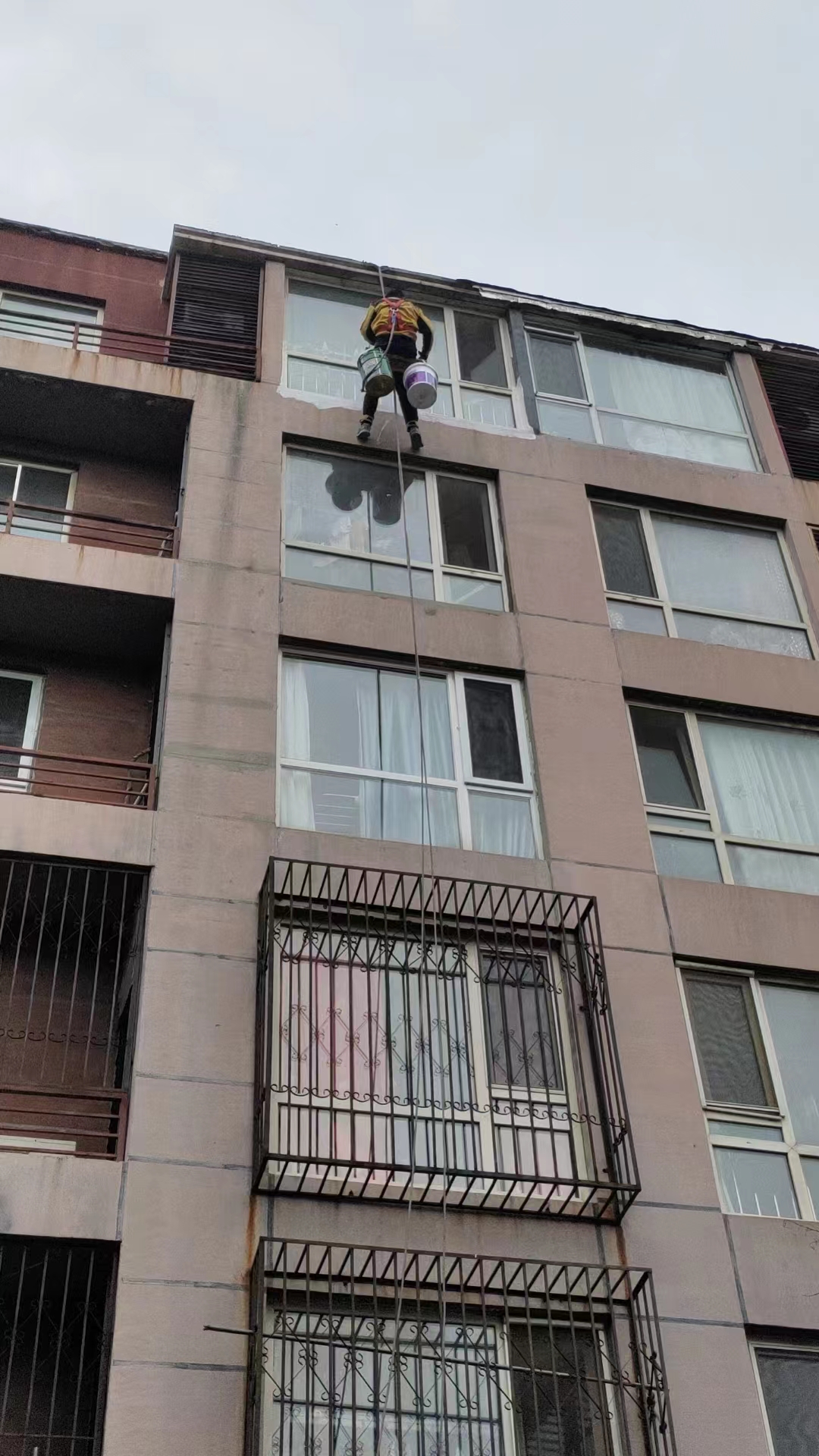
What are the reasons for the hollowing phenomenon in waterproof layer tiles?
In waterproofing projects, we all know that improper selection of waterproof materials directly affects the quality of waterproofing. But what else can improper material selection affect? It can lead to hollow tiles in the waterproof layer. The commonly used waterproof materials in kitchen and bathroom areas are waterproof coatings, but in engineering practice, some kitchens and bathrooms have chosen waterproof membranes. Membranes have dense surfaces, low water absorption rates, high flexibility, and large deformation, making them difficult to adhere to. The elastic modulus of tile adhesives is much higher than that of membranes, which is hard to accommodate the high flexibility of membranes and can easily cause hollow tiles. Just from this aspect, kitchen and bathroom areas with decorative tiles are not suitable for waterproof membranes! Some polymer cement waterproof mortars and slurry, to reduce the surface water absorption rate and attract customers, have added excessive hydrophobic agents, resulting in an overly strong hydrophobic surface on the waterproof coating layer, severely affecting the bonding between the tile adhesive and the waterproof layer, reducing bonding strength, and increasing the risk of hollow tiles. In this regard, flexible waterproof coatings can be chosen for the ground to accommodate shrinkage and deformation caused by ground settlement, while rigid waterproof mortars or slurry can be chosen for the walls to accommodate subsequent tile laying. Waterproof materials must be mixed according to the product instructions, and it is prohibited to add extra water or arbitrarily alter the proportion of the product's components. These incorrect operations will affect the waterproof performance and strength of the waterproof layer. If the strength of the waterproof layer is too low, it may lead to cohesive failure and hollow tiles. Therefore, we must follow the specifications and standards to ensure the quality of waterproofing and to prevent hollow tiles in the waterproof layer.
In summary, the issue of hollow tiles in waterproofing layers often arises due to non-standard construction practices and material selection during installation. This leads to a series of minor details problems. Therefore, we must be adept at identifying and resolving these issues, truly ensuring standardized construction and guaranteeing the quality of the finished product.
Waterproofing and leak sealing, as the name implies, refers to the construction of waterproofing treatments for both indoor and outdoor areas of buildings, as well as the repair work for leaky areas both indoors and outdoors. So, what about the bathroom?
1. Water leakage in the building indicates an issue with the waterproofing layer. The exterior is covered with hard tiles. Traditionally, this involves removing the tiles, then digging out the waterproofing layer, applying a new one, and finally laying the tiles again. This process incurs significant costs in labor, materials, and time.
2. Waterproofing and leak repair traditionally follows the principle of "repair where the leak occurs." However, the new method of waterproofing and leak repair eschews this traditional approach. If the waterproofing layer leaks, simply perform waterproofing and leak prevention on the outside of the tiles. As long as the exterior tile surface is properly waterproofed, the effect is the same.
3. Waterproofing and Leak Repair Methods: Use a knife to remove the waterproof cement or adhesive between tiles, then dry the floor with an oven for the specified time. Fill the grooves with cement of the same color as the floor (use white cement for white floors, black cement for black floors, etc., to maintain aesthetic appeal indoors). Next, slowly inject a special CPC waterproofing agent into the cement. After 1-2 days, the waterproofing agent and cement will firmly adhere to the tiles, effectively forming a stable waterproof layer.
In fact, as long as we follow the procedure step by step, water-proofing and leak sealing is also simple. I hope the information provided can be helpful to all.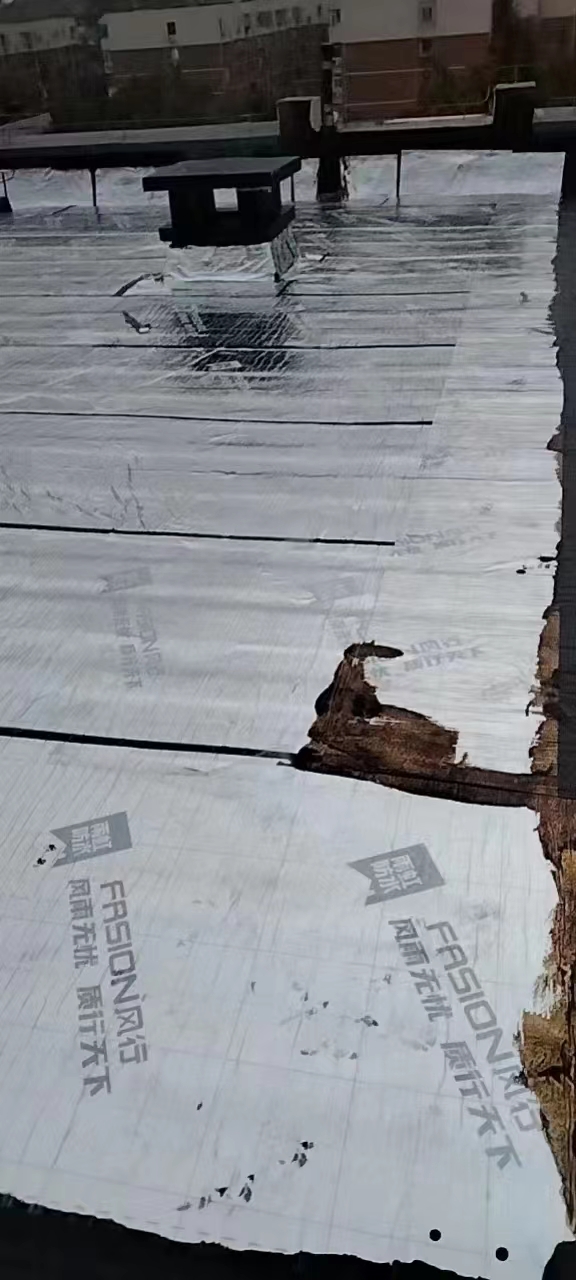
Waterproofing and leak repair, the traditional approach is to fix the leak where it occurs. The new method, however, discards this traditional notion. If the waterproofing layer leaks, simply apply waterproofing and leak-proofing measures to the tiles outside. As long as the outer tile surface is properly waterproofed, the effect is the same. Waterproofing and leak repair procedure: Use a knife to remove the waterproof cement or adhesive between tiles, then dry the floor with an oven for a certain period. Next, fill the grooves with cement of the same color as the floor (use white cement for a white floor, black cement for a black floor, etc., to enhance the aesthetic appeal indoors). Then, slowly inject a special CPC waterproofing agent into the cement. After 1-2 days, the waterproofing agent and cement will firmly adhere to the tiles, effectively forming a stable waterproof layer.
Our service area encompasses the entire Beijing city, including Dongcheng, Xicheng, Chaoyang, Fengtai, Shijingshan, Haidian, Shunyi, Tongzhou, Daxing, Fangshan, Mentougou, Changping, Pinggu, Miyun, Huairou, and Yanqing districts, as well as leak repair services in the surrounding areas of Beijing.
Scope of Service: Specializing in waterproofing projects, waterproof walls, and burst pipe repairs.
Waterproof coatings, roof waterproofing, waterproof membranes, waterproof sealing, building waterproofing, bathroom waterproofing.
Exterior Waterproofing, Roof Waterproofing, Basement Waterproofing, Bridge Deck Waterproofing, Waterproof Joints, Waterproofing Construction
Fix roof leaks, waterproof steel sheet houses, roof waterproofing repair with pressure-sealed leak stopping, leak-proof rain.
Pipe leak reinforcement, exterior wall leak grouting, underground engineering leak prevention, building leak prevention, tunnel leak prevention.
Waterproofing and leak repairs, flat roof leak repairs, seepage prevention and repairs, building leak repairs. Concrete structural settlement joints.
Expansion joints, deformation joints, crack joints leakage stopper grouting construction. Roofing balcony color steel roof installation
Roof terrace waterproofing, corrosion and aging of roof terrace waterproofing layers; Engaged in residential repair and waterproofing leak prevention services, undertaking all types of large, medium, and small-scale waterproofing projects
Engineering Company. The company has accumulated extensive construction experience over the years.
We regard quality as the lifeblood of our company and are eager to establish a long-term and stable business partnership with you.
We are committed to alleviating your concerns regarding leakage.
Update waterproofing and leak repair.
Roof gutters and valleys sealed for leak repairs, sloped roof tiles waterproofed and patched.
Roof terrace waterproofing and leak repair for villas, roof crack leakage waterproofing and repair, and renewal.
Leakproof and repair work at the wall junction of color steel roof; leakproof and repair for flat roof.
One-stop service. Honesty is our way, and we care with every task. Sincerely hoping to serve you.
Service Targets: Government agencies, schools, residential property management, construction companies,
Beijing Tongzhou Roof Waterproofing and Leak Repair - Long-term Roof Waterproofing and Leak Repair Services - Drainage Leak Detection
