



How to tackle the "difficult problem" of selecting waterproofing and leak repair materials for basements?
Although we have established waterproofing specifications for basements, requiring that underground projects must be designed with waterproofing in mind, basement issues have always been a tough nut to crack. The waterproofing and leak repair experts discuss the current waterproofing measures for basements from two perspectives.
Yes: Self-waterproofing concrete
Concrete self-sealing, also known as reinforced concrete self-sealing structure, is a crucial defense against water leakage in engineering, characterized by its low cost, simple process, ease of construction, and wide material sources, making it a preferred choice. Design should ensure the structural thickness is not less than 250mm; it is advisable to select thicker wall thicknesses and avoid high-strength concrete grades as appropriate, to enhance the structure's impermeability and reduce hydration heat during construction. The key to quality control for concrete structure self-sealing lies in proper material selection during construction and a series of crack-prevention measures.
1) Compensating shrinkage self-sealing concrete structures
2) Sub-grade engineering waterproofing should adopt a combined approach of rigid and flexible waterproofing measures. The thickness and strength grade of the self-waterproofing concrete structure should be selected based on the structural design, with the impermeability grade not less than P8. It is advisable to add micro-expansion agents, densifying agents, water-reducing agents, etc., into the concrete.
Pay attention to the following two points for waterproofing:
1. Fills and seals tunnels, dams, basements, bricks, and concrete components, bonding all contact surfaces against dry and wet cracks.
2. Water pressure grouting for underground water flow fissures can be used with low-quantity catalysts, forming foam within 2 seconds upon contact with water, and fully expanding and solidifying within 10 minutes.
Two: Rolled Waterproofing
Synthetic polymer waterproof membrane, polymer-modified asphalt waterproof membrane, or synthetic polymer waterproof coating (suitable only for external waterproofing by external application method).
The rolled waterproofing layer is directly bonded to the main structure's exterior surface waterproofing layer in sync with the concrete structure, thereby experiencing less impact from structural settlement and deformation. It is less prone to damage during construction, and it facilitates the inspection of the concrete structure and the quality of the rolled waterproofing. Issues can be easily repaired. The drawback is that the waterproofing layer requires multiple construction stages, has numerous processes, and takes a longer duration. It requires a larger working area, a significant amount of earthwork, and a high volume of formwork, making it difficult to protect the joints of the rolled material, which can affect the quality of the waterproofing work.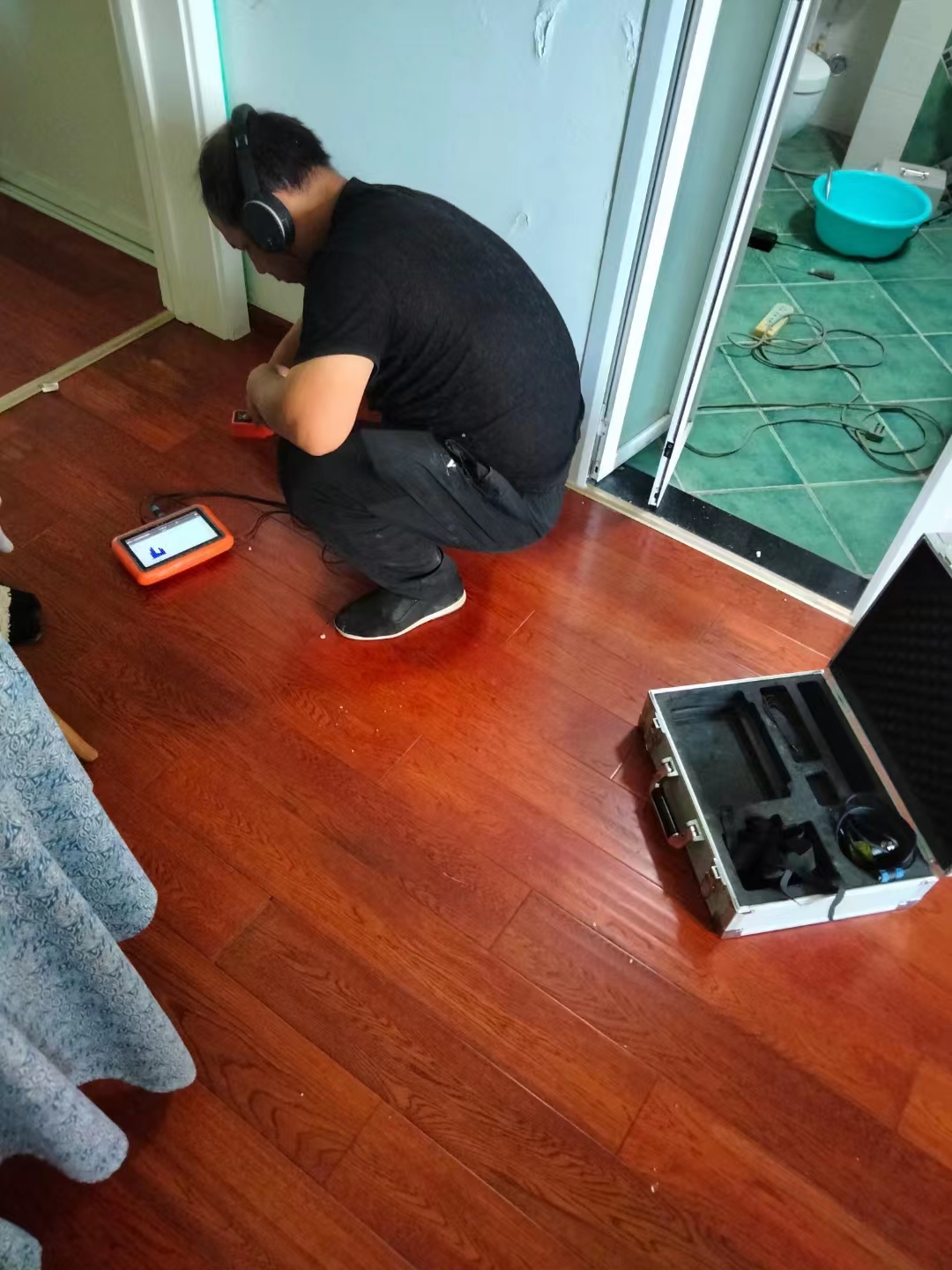
Basics of Waterproofing and Leak Repair
1. The Characteristics of Water: Water is pervasive, seeping into the building interior gradually through forces like wind pressure, convection, impact, adhesion, and capillary action. It is not easily detectable on the surface during the infiltration process. In other words, to find the cause of water leakage, one must delve deep into the "interior" for analysis and judgment, in order to address the issue effectively. [1]
2. Pressure Changes: Once water penetrates into a building, within a confined space, upon exposure to the sun, it generates heat and turns into steam. This steam builds up a significant pressure that can damage the existing waterproofing layers, and even the surface finishes and decorative materials (such as peeling paint, blackening wallpaper, bulging tiles, and swollen wooden floors). In other words, if a unit of water turns into steam entirely within the limited space of a building, it produces a pressure 1,240 times greater. The destructiveness of this pressure is truly terrifying. (Hence, we often find that waterproofing adhesives applied to moisture-containing foamed concrete bubbles and peel off shortly thereafter.)
3. Basic Requirements: The interface where waterproof materials are attached must not have blisters, sanding, honeycomb, wood, paper屑, mud, small stones, and should not be applied on a loose and unstable surface. This is due to poor adhesion, combined with the destruction caused by ultraviolet rays from the sun, the thermal expansion and contraction of the building itself, and the pressure from water vapor, which easily leads to the aging and failure of the waterproof layer.
5. On the positive side: For roof waterproofing, it should be applied directly on the roof surface. Wall waterproofing should be done on the exterior wall, and water tank leakage should be addressed on the inner layer of the tank. Water under pressure tends to spread elsewhere, making it difficult to work in the dead corners of the house. The term "positive" here is relative in comparison, not absolute. As technology advances, there are ongoing introductions of waterproofing materials for backside construction and high/low-pressure injection of synthetic resins to produce expanding crystalline bodies, which can also prevent leakage. However, not all situations are suitable for successful application, so unless unavoidable, it is advisable to opt for positive waterproofing construction.
Fencing can easily fail; waterproofing must start at the root. Fencing methods are ineffective as water can seep through any gap, and it can also cause pressure-induced damage. How can it last if the root cause is not addressed? For instance, the roof leak is exactly where an illegal addition is located. Most people would try to create a water-diversion path, but this is likely to fail.
Definition of Leakproof: Regardless of water pressure or the amount of rain over several days, or the condition of the roof, the indoor paint remains unchanged and does not bubble up.
6. Concept: You don't necessarily have to spend money to achieve waterproofing. Concrete itself has a waterproofing function, besides undergoing "deterioration." For instance: Houses built in the past, with no tiles or pebbles on the exterior walls, still leaked. Conversely, houses in villa areas, after applying expensive imported waterproof coatings, still experienced leaks.
7. Materials are not: Every waterproof material has its characteristics and suitability. The idea that "one treatment for all diseases" is incorrect. Therefore, how to select materials is the important issue. A good doctor leads in "prescribing medication," not being led by the "pharmaceutical."
Do you know the measures for waterproofing and leak prevention in bathrooms without breaking the tiles?
One: Water leakage from the drain pipe of the floor drain: The elevation of the drain pipe does not match the elevation of the ground or the bathroom equipment, causing backflow. Cleaning equipment drainage is not unobstructed, leading to leakage or decay of the thin parts of the felt; or the water leaks directly from the top of the pipe sleeve to the ceiling of the lower floor.
Section 2: The bottom ceiling plates have some or widespread leakage due to aging and cracking of the felt after the felt was installed, and improper maintenance. Additionally, due to hollow layer hollowing and cracking, the pipeline through the floor was not enclosed, and the hole R was not properly handled after drilling. The wet concrete, bricks, wood shavings, and other debris used to fill the hole, as well as the crack at the connection between the filled concrete and the floor, have caused the waterproofing layer and leveling layer to become bonded, creating an entry point for water. This can lead to leakage.
Three: Leakage at the connection between the squatting pan and the drain pipe due to the incorrect height of the drain pipe and the insufficient depth of the squatting pan's outlet into the drain. The joint was not sealed properly; the waterproofing in the lavatory was inadequate. After using the squatting pan, water accumulates on the floor, walls become damp, and even the lower ceiling walls show signs of dampness and dripping.
Four, insufficient water resistance allows the other side of the cleaning inquiry body to exhibit moist spots or streaks, even flowing along pipe joints to the next level. The asphalt felt seam is not securely attached, leading to openings and curling edges, or due to some deformation of the base layer, causing the intersection of the flat and vertical asphalt felt to split, resulting in moist spots or fine flow marks on the lower and upper layers of the pipe grooves.
Five, Leaking at the water well inlet of the squat toilet: The connection between the squat toilet and the water supply was damaged during construction but went unnoticed. The rubber washer binding was not tight, or after being tied with wire, the wire rusted and broke, and the rubber washer was torn, causing water leakage at the joint between the rubber washer and the squat toilet. The measures to prevent water leakage in the bathroom resulted in water accumulation on the ground after the squat toilet was used.
Waterproofing and Leak Repair: What methods are available for waterproofing and leak repair without damaging tiles? Firstly, it's crucial to note that the use of waterproof coatings must be applied on clean, sturdy, and flat surfaces to form a strong bond. Directly applying waterproof coatings to tiles does not truly achieve waterproofing, as the tile surface has a glaze layer. The waterproofing layer on the tile surface is prone to peeling off and cannot be securely bonded to the base.
There's a product on the market advertised as a "no-dig waterproofing agent that sprays on for waterproofing and seepage prevention," but it's not actually a waterproofing paint. It needs to be mixed with cement and concrete, acting as an additive. It doesn't have waterproofing properties on its own; instead, it achieves the effect by increasing the density of the cement through mixing with mortar. However, this is a rigid waterproofing method, which can easily crack over time. To completely seal leaks, it's necessary to remove the finishing layer and protective layer. Therefore, the best solution is to break the tiles and redo the waterproofing.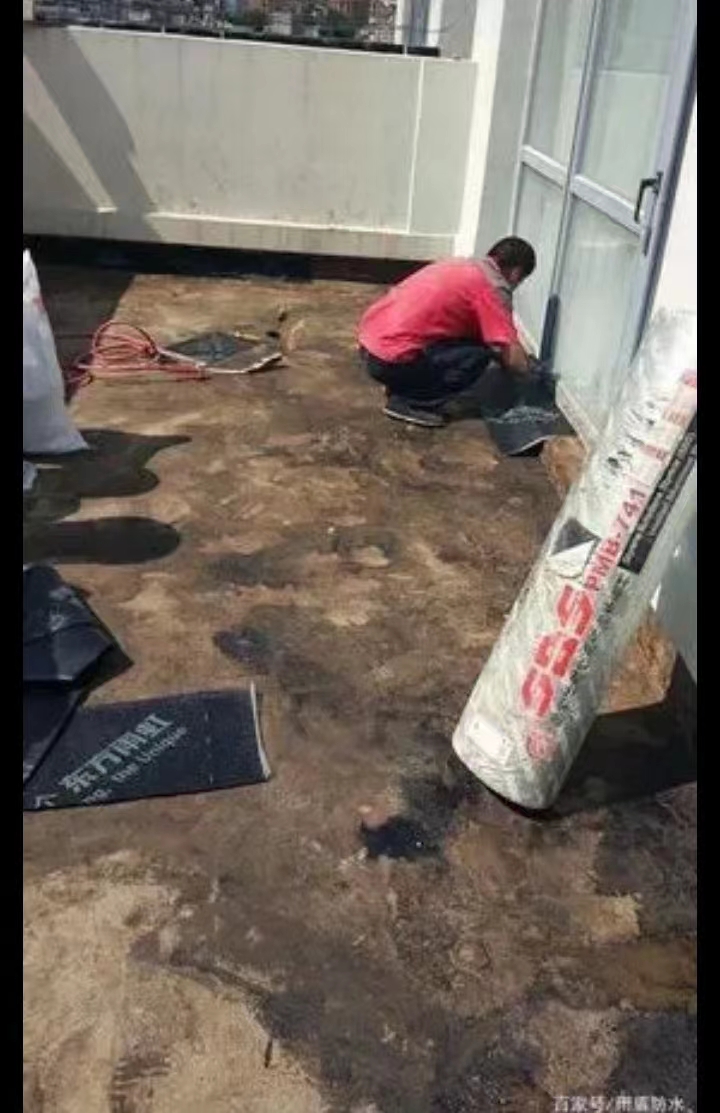
Waterproofing and leak repair traditionally means fixing the leak where it occurs. However, the new method of waterproofing and leak repair is to discard this traditional notion. If the waterproofing layer leaks, apply waterproofing and leak-proofing measures to the tiles outside. As long as the outer tile surface is properly waterproofed, the effect is the same.
Service coverage spans the entire Beijing area, including Dongcheng, Xicheng, Chaoyang, Fengtai, Shijingshan, Haidian, Shunyi, Tongzhou, Daxing, Fangshan, Mentougou, Changping, Pinggu, Miyun, Huairou, Yanqing districts, as well as surrounding areas for leak repair.
Service Scope; Main Business: Waterproofing Projects, Waterproof Walls, Burst and Ruptured Water Pipes
Waterproof coatings, roof waterproofing, waterproof membranes, waterproofing sealants, building waterproofing, bathroom waterproofing.
Exterior Waterproofing, Roof Waterproofing, Basement Waterproofing, Bridge Deck Waterproofing, Waterproof Connectors, Waterproofing Construction
Repair roof leaks, waterproofing for color steel buildings, roof waterproofing repair and leak sealing under pressure, leak-proofing rain.
Pipe Leak Sealing and Reinforcement, External Wall Leak Sealing and Grouting, Underground Engineering Leak Sealing, Building Leak Sealing, Tunnel Leak Sealing,
Waterproofing and leak repair, flat roof leak repair, seepage prevention and repair, building leak repair. Concrete structural settlement joints.
Expansion joints, deformation joints, and crack joint leakage grouting construction. Roofing balcony color steel roof installation
Terrace rooftop waterproofing, rooftop terrace waterproofing layer corrosion and aging; engaged in building maintenance waterproofing and leak sealing services, undertaking all types of large, medium, and small-scale waterproofing projects
Engineering company. The company has accumulated extensive construction experience over the years.
We regard quality as the lifeblood of our company and are eager to establish a long-term and stable business partnership with you.
We are committed to alleviating your concerns about leakage.
Perform waterproofing and leak repair upgrades.
Roof gutter grooves for waterproofing and leak repairs, sloping tile roofs for waterproofing and leak repairs.
Roof terrace waterproofing and leak repairs for villas, roof crack leakage waterproofing and repair, and renovation.
Leakproof and repair gaps at the wall junction of colored steel roofs; leakproof and repair flat roof.
One-stop service available. Honesty is our approach, and we put our hearts into our work, sincerely hoping to serve you.
Service Targets: Government agencies, schools, residential property management, construction companies,
Beijing Pinggu Pipeline Leak Detection - Free On-Site Inspection - House Waterproofing and Leak Repair
