



How to perform roof waterproofing and leak repair?
1. DIY roof waterproofing still requires cleaning the subgrade, removing and dealing with damaged waterproofing layers, and smoothing them to lay the groundwork for good waterproofing results.
2. Construction of additional waterproofing layer on the roof: Typically, modified asphalt sheets are applied using the hot-melt method before the waterproofing layer is installed, primarily focusing on adding extra layers at locations such as the parapet wall, gutter outlets, eaves, pipe roots, and阴阳 corners.
3. Transportation of materials required for roof waterproofing: Typically, materials are transported to the construction site using cranes to hoist them to the roofwork area.
4. Perform the membrane coating and then lay the high molecular weight waterproof membrane, which is crucial. Pay attention to the roof slope, the joints of the waterproof membrane, and the local waterproofing treatment at the eaves, pipe openings, and rainwater outlets. When encountering a parapet wall, roll the membrane up the wall, keeping the height below 250mm, and apply a 1:3 cement mortar slope water. Any components extending from the roof, such as pipes, must have holes opened in the roof. To prevent leaks, flip the membrane upwards and coat it with cement mortar or cover it with galvanized iron sheet to act as a water barrier, ensuring the water-resistant height does not exceed 200mm.
5. Roll Goods
(1) The thickness of the rolled material meets the design specifications. When cutting the asphalt waterproofing roll to the appropriate size and laying it, heat the joint between the base and the roll with a flame as you unroll. After uniform heating back and forth, roll and stick the roll forward while the material surface is just melted.
(2) Roll roofing should be laid from the eaves upwards with a bidirectional water flow slope, ensuring the overlap runs in the direction of the water flow. Begin laying from the lower end of the slope, using the roll specifications to mark a baseline and proceed with the installation. Ensure the long edge of the roll is perpendicular to the direction of the water flow slope.
(3) Rolled materials connecting flat and vertical surfaces should be installed from bottom to top.
6. Hot Melt Sealing: Use a spray to heat the overlap of the rolls, then bond them firmly while hot until asphalt oozes out at the edges. The end termination should be filled tightly with sealant.
7. Apply the first coat of waterproof paint. Ensure the site is clean and dry before application, the paint should be applied evenly without any gaps, firmly bonded with the base, without cracks or bubbles, and the thickness must meet the product specifications.
8. Apply the second coat of waterproof paint. Note that there must be a time interval between the first and second coats. The second coat can only be applied after the first coat has dried completely, and the specific time is determined by the paint not sticking to the touch.
9. Apply a protective layer. To prevent damage to the waterproofing layer during subsequent construction, a protective layer must be laid on the surface of the waterproof coating. The protective layer must completely cover the waterproofing layer, with no omissions, firmly bonded to the base material, free of cracks, bubbles, or shedding.
10. Water-tightness Test. The product is deemed qualified only after at least 24 hours of observation with no leakage.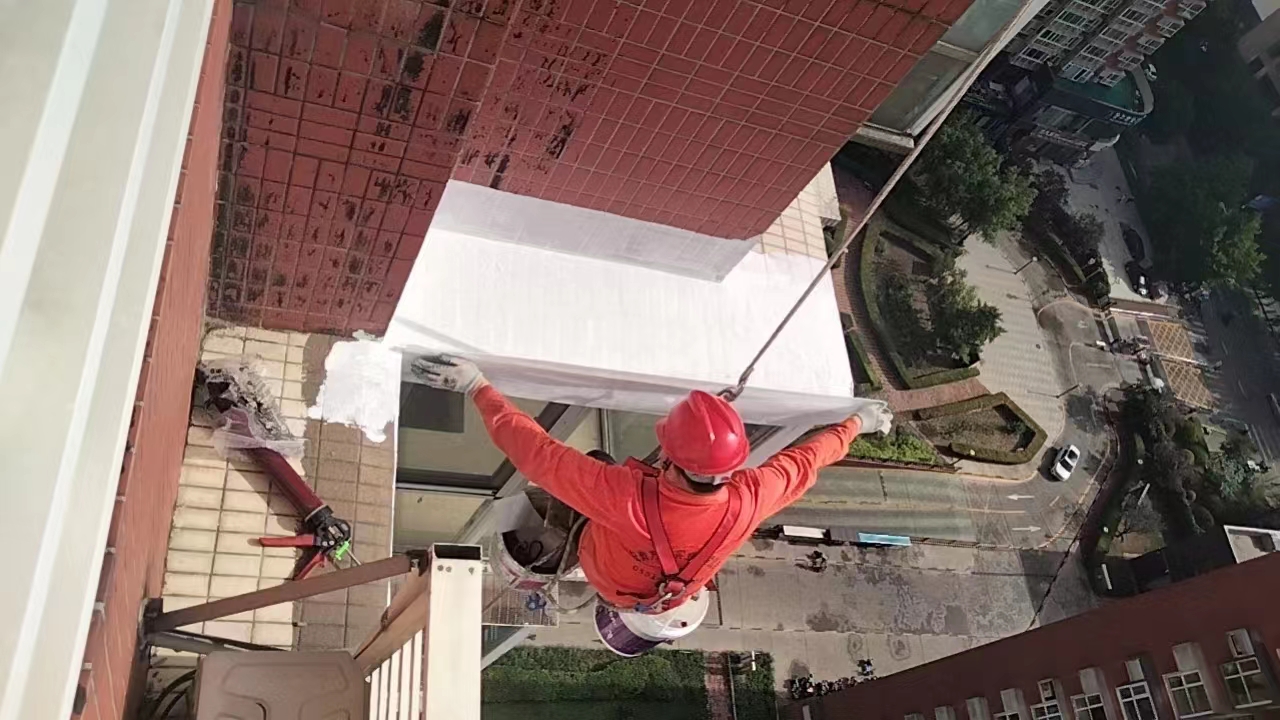
Waterproofing and leak repair, the traditional approach is to fix where the leak occurs. The new method, however, discards this traditional notion. If the waterproofing layer leaks, the work is done on the tile surface to prevent leakage. As long as the outer tile surface is properly waterproofed, the effect is the same. Waterproofing and leak repair process: Use a knife to remove the waterproof cement or adhesive between tiles, then dry the floor with an oven for a while. Next, fill the grooves with cement of the same color as the floor (use white cement for white floors, black cement for black floors, etc., to enhance the aesthetics of the interior). Then, slowly inject a special CPC waterproofing agent into the cement. After 1-2 days, the waterproofing agent and cement will firmly adhere to the tiles, effectively forming a stable waterproof layer.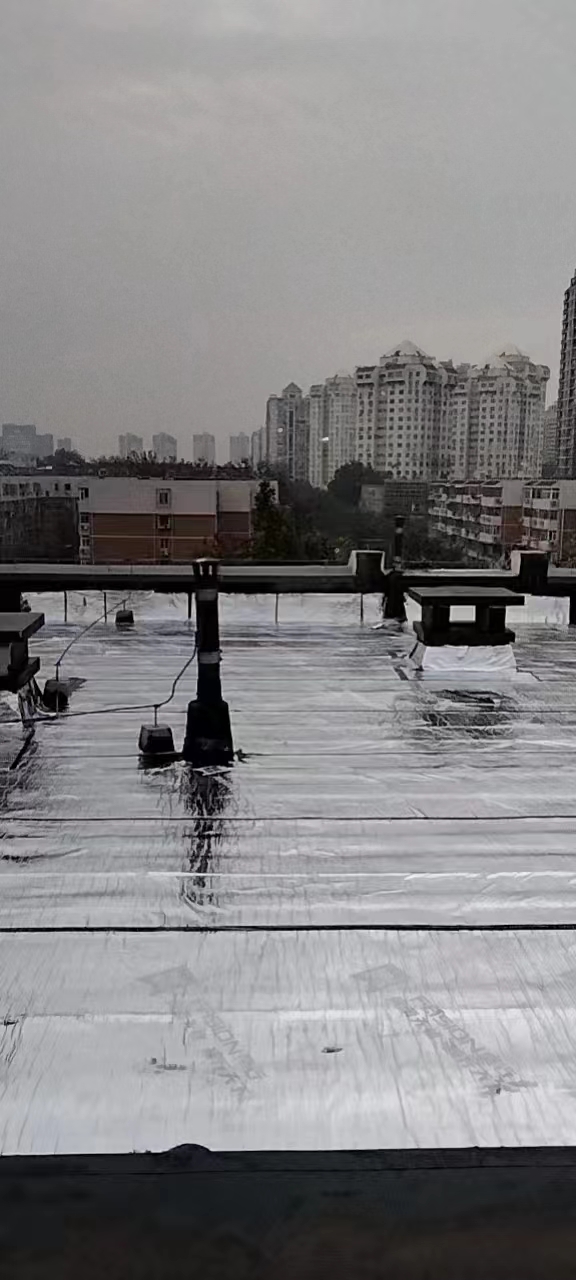
Teach you how to choose waterproofing and leak repair materials
For waterproofing and leakage repair projects, from a material perspective, let me inform you that the selection of waterproofing and leakage repair materials is the foundation and the most crucial step in the project. It determines the quality and durability of the waterproofing work. I would like to offer a sincere tip: waterproofing and leakage repair materials come in various forms, types, and performance, with significant price disparities. From the construction perspective, they also vary. Therefore, when selecting waterproofing and leakage repair materials, ensure they meet the project requirements, align with hydrogeological conditions, and are based on long-term research and use. From an experiential standpoint, the choice of materials should be determined by climatic conditions. In the north, where it is dry and cold, and in the south, where it is rainy and humid, there are differences in material selection. I remind you that in the north, choose materials that can withstand long periods of direct sunlight, high UV resistance, and high softening points, such as polyvinyl chloride membranes and APP modified asphalt membranes. In the south, opt for water-resistant and bubble-resistant materials like modified asphalt membranes with polyester felts or strong water-resistant adhesives. When selecting materials based on the building location, it is recommended to consider the specific application, as this is a summary of many years of experience. Materials all have their uses and advantages and disadvantages. Only when they are used appropriately in the right building locations can waterproofing and leakage repair materials realize their value. For roof waterproofing, choose materials that are resistant to stretching and aging. For wall leakage, only paints can be used; do not choose rolls. It is also important to note that when selecting waterproofing and leakage repair materials, the project conditions must be taken into account, such as selecting materials based on the building grade; for first and second-grade buildings, specific materials are required; for others, there are no strict requirements, and the selection range is wider; for roofs with significant vibration, materials with nail-holding capabilities should be chosen. These are waterproofing and leakage repair material selection tips compiled from experience, expertise, and technical knowledge. I hope that after reading this, you will have a better understanding of how to choose the right materials.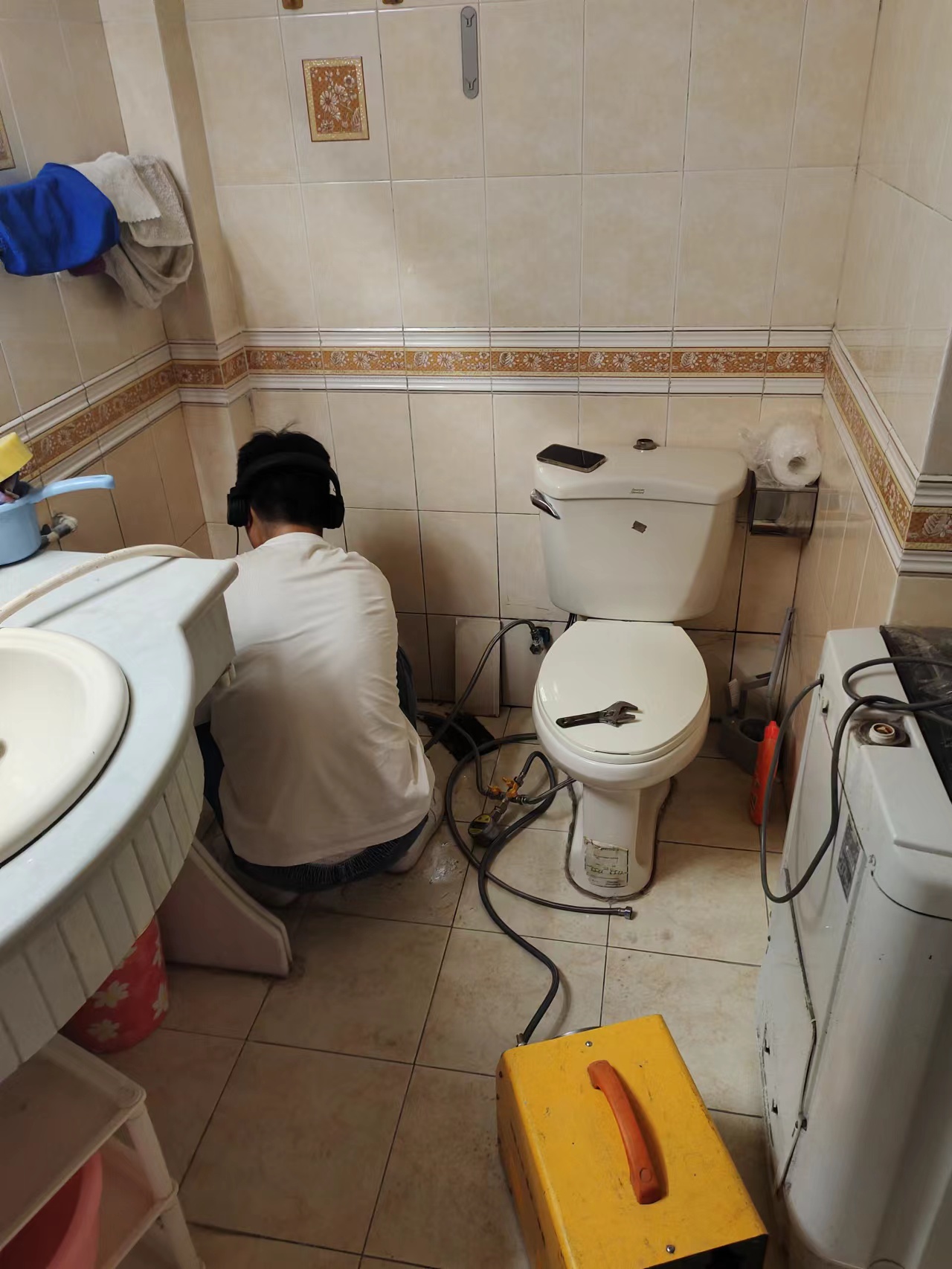
Waterproofing and Leak Repair Basics:
1. Pressure changes of water and steam: Once water infiltrates into a building, in a confined space, upon exposure to the sun and generating heat energy, it turns into steam. This steam generates a significant amount of pressure that can damage the existing waterproofing layer, and even the surface finishes and decorative materials (such as paint peeling, wallpaper discoloration, tiles bulging, and wooden floors swelling). The transformation is as follows: 1 mole of water has a volume of 18 ml; 1 mole of steam has a volume of 22.4 liters = 22,400 ml. In other words, if a unit of water were to completely transform into steam within the limited space of a building, it would produce 1,240 times the pressure. The destructive potential of this pressure is truly terrifying.
2. Characteristics of Water: Water is pervasive, seeping into the building structure gradually through forces like wind pressure, convection, impact, adhesion, and capillary action. It is not easily detectable on the surface during the渗透 process. In other words, to find the cause of leakage, an in-depth "internal" analysis is necessary to address the issue effectively.
3. Waterproofing must be applied to a solid structure: The interface where the waterproofing material is attached must not have blisters, sanding, honeycomb, wood chips, paper屑, mud, small stones, and should not be done on loose and unstable surfaces. This is due to poor adhesion, plus the destructive effects of ultraviolet rays from the sun, the natural expansion and contraction of the building material, and the pressure from water vapor, which can easily lead to the aging and failure of the waterproofing layer.
4. Perimeter sealing waterproofing is prone to failure: Waterproofing should address the root cause. Using a sealing method, water is inescapable and can also cause pressure damage. How can it last without treating the root cause?
5. Positive Waterproofing: For instance, roof waterproofing is applied directly to the roof surface, while wall waterproofing should be done on the exterior walls. For leaks in water tanks, the waterproofing should be applied to the inner layer. In cases of bathroom seepage, the bathtub and tiles need to be removed, and then re-waterproofed. Why? Water exerts pressure and spreads, making it difficult to waterproof in the hard-to-reach corners of a house. The term "positive waterproofing" here refers to a comparative method, not an absolute one. As technology advances, there are various waterproofing materials available on the market, such as silicate series powders that resist negative water pressure and synthetic resins that produce crystalline expansion under high and low pressure, which can also be used for waterproofing. However, not all situations can be successfully waterproofed using these methods, so it is advisable to opt for positive waterproofing when necessary.
Service coverage spans all of Beijing: Dongcheng District, Xicheng District, Chaoyang District, Fengtai District, Shijingshan District, Haidian District, Shunyi District, Tongzhou District, Daxing District, Fangshan District, Mentougou District, Changping District, Pinggu District, Miyun District, Huairou District, Yanqing District, and surrounding areas for leak repairs.
Service Scope; Main Business: Waterproofing Projects, Waterproof Walls, Pipe Bursting and Fracture
Waterproof coatings, roof waterproofing, waterproof membranes, waterproof sealing, building waterproofing, bathroom waterproofing.
Exterior Waterproofing, Roof Waterproofing, Basement Waterproofing, Bridge Deck Waterproofing, Waterproof Joints, Waterproofing Services
Fix roof leaks, waterproofing for color steel buildings, roof waterproofing repair and leak sealing under pressure, leak-proof rain prevention tape
Pipe Leak Sealing Reinforcement, External Wall Leak Sealing Grouting, Underground Engineering Leak Sealing, Building Leak Sealing, Tunnel Leak Sealing,
Waterproofing and leak repair, flat roof leak repair, seepage prevention and repair, house leak repair. Concrete structural settlement joints.
Expansion joints, deformation joints, and crack filling grouting construction. Roofing and balcony color steel roof installation.
Terrace rooftop waterproofing, rooftop terrace waterproofing layer corrosion and aging; specializing in residential repair waterproofing and leak sealing services, undertaking all types of large, medium, and small-scale waterproofing projects.
Engineering company. The company has accumulated rich construction experience over the years.
We hold quality as the lifeblood of our company and are eager to establish a long-term and stable cooperative relationship with you.
We are dedicated to alleviating your concerns regarding leakage.
Perform waterproofing and leak repair upgrades.
Roof gutters and valleys are sealed for waterproofing and leak repairs, as well as the pitched roofs for waterproofing and leak repairs.
Roof terrace waterproofing and leak repair, roof crack leakage waterproofing and renovation for villas.
Leakproofing and repair services for the color steel roof at the wall joints, and waterproofing and repair for flat roof.
One-stop service. Honesty in our conduct and dedication to our work, sincerely hoping to serve you.
Service Targets: Government Agencies, Schools, Community Property Management, Construction Companies,
Beijing Daxing Geothermal Leak Detection, Leak Repair around Beijing, Pipe Leak Detection
