
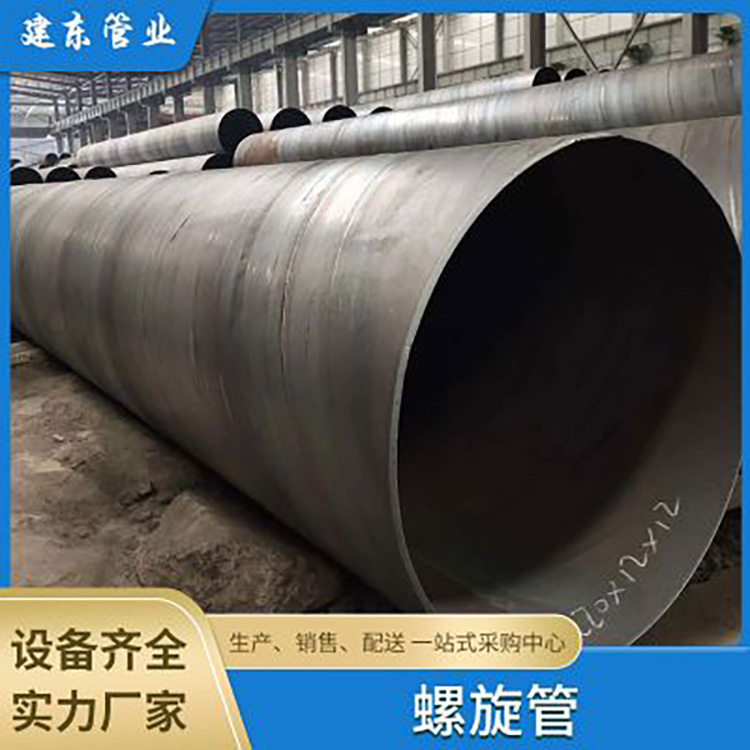
 Spiral Steel Pipe Manufacturer Supplies
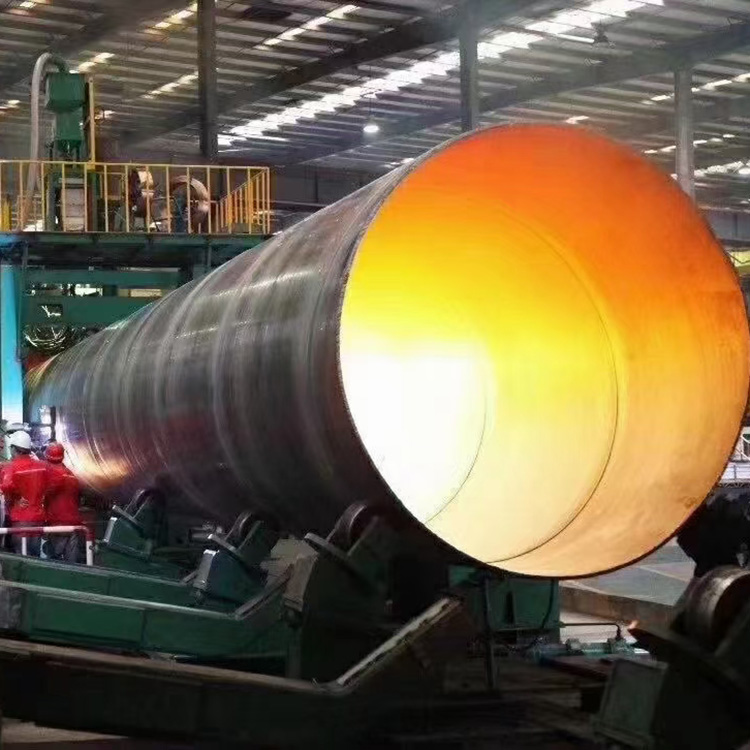 Spiral Steel Pipe Manufacturer
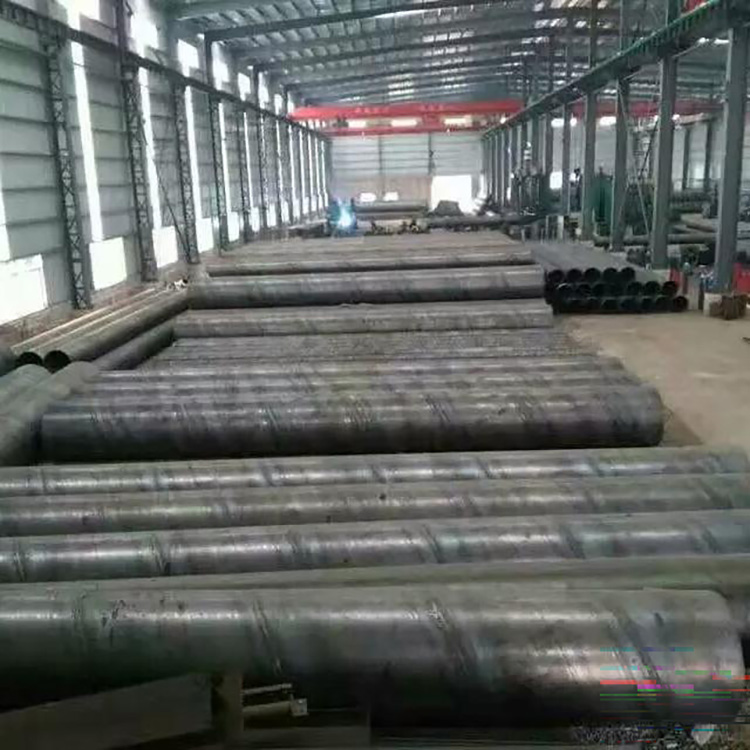 Spiral Steel Pipe Manufacturer
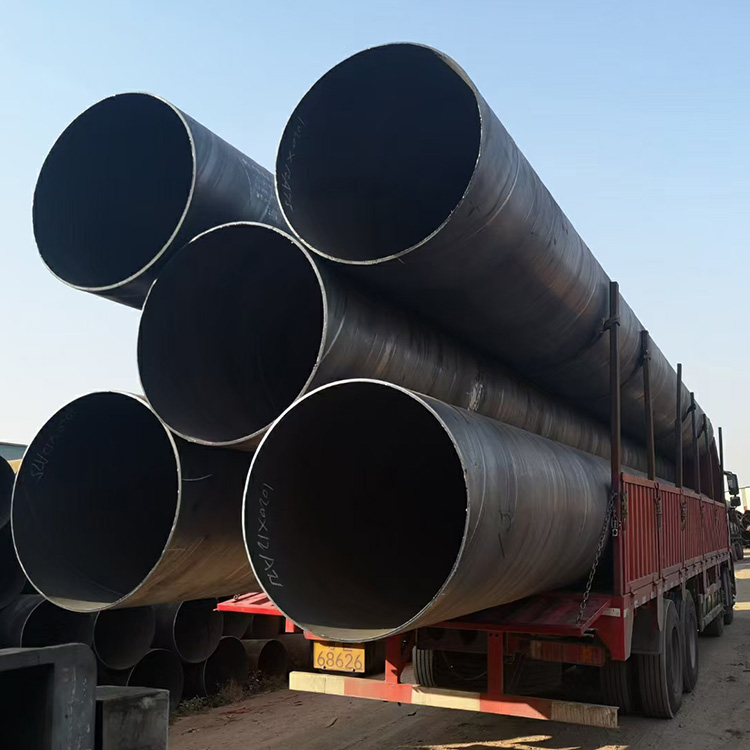
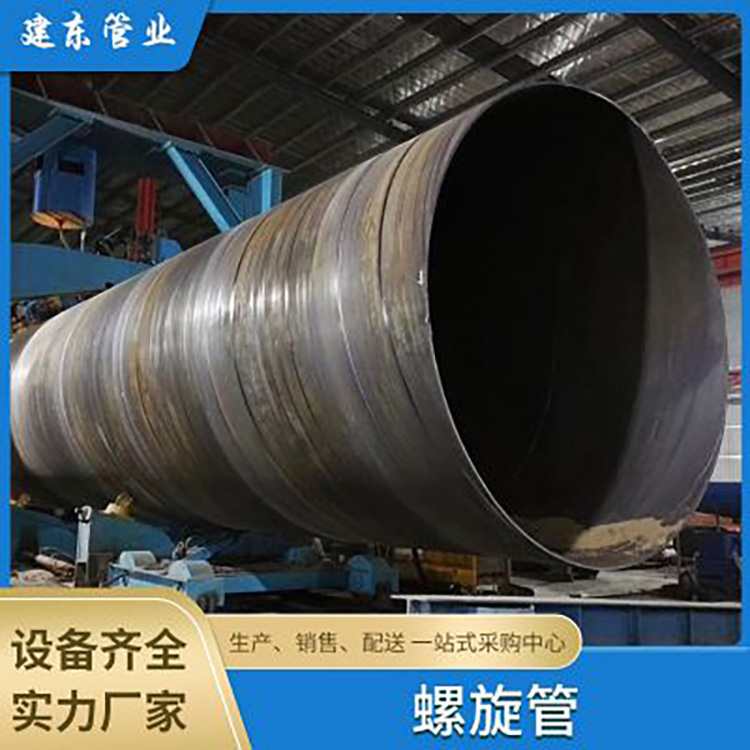
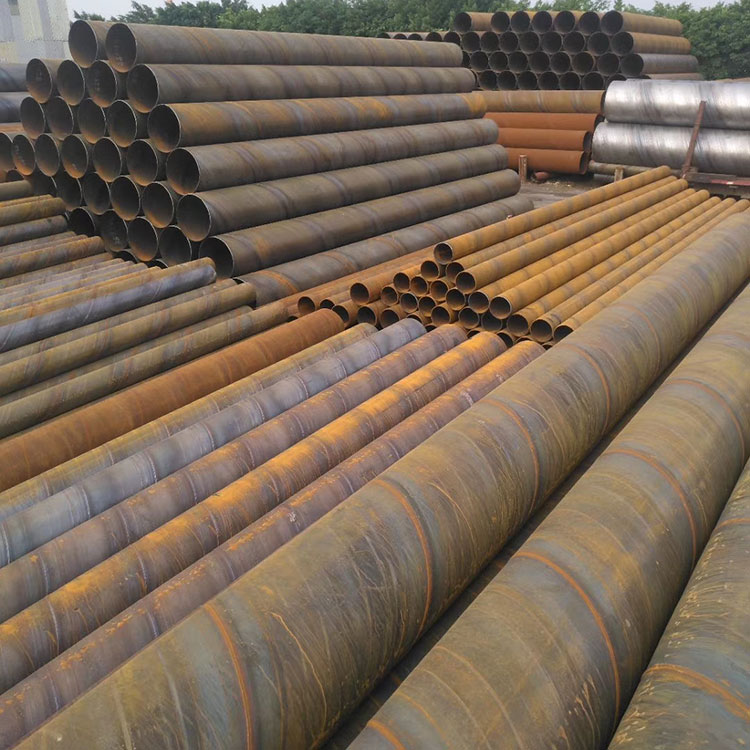
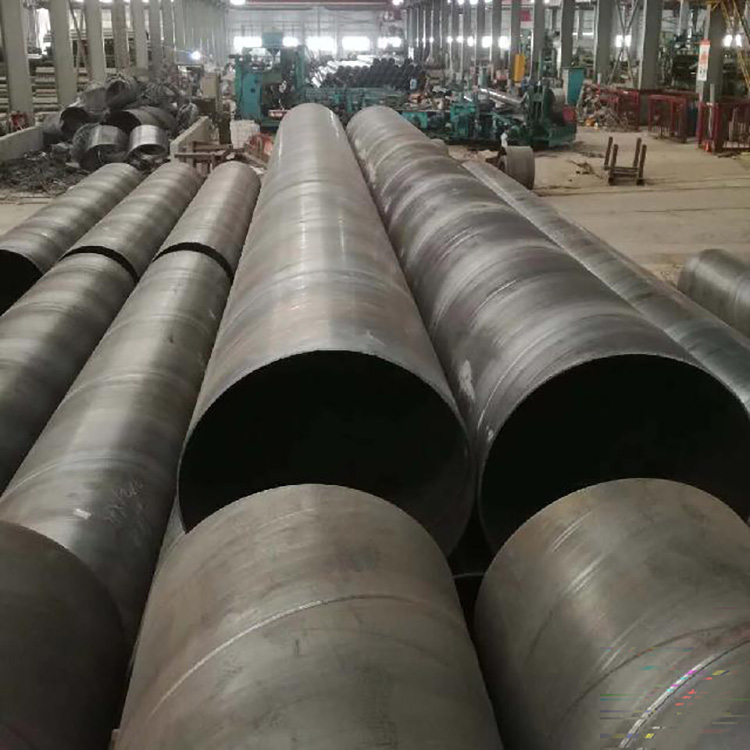 Spiral Steel Pipe
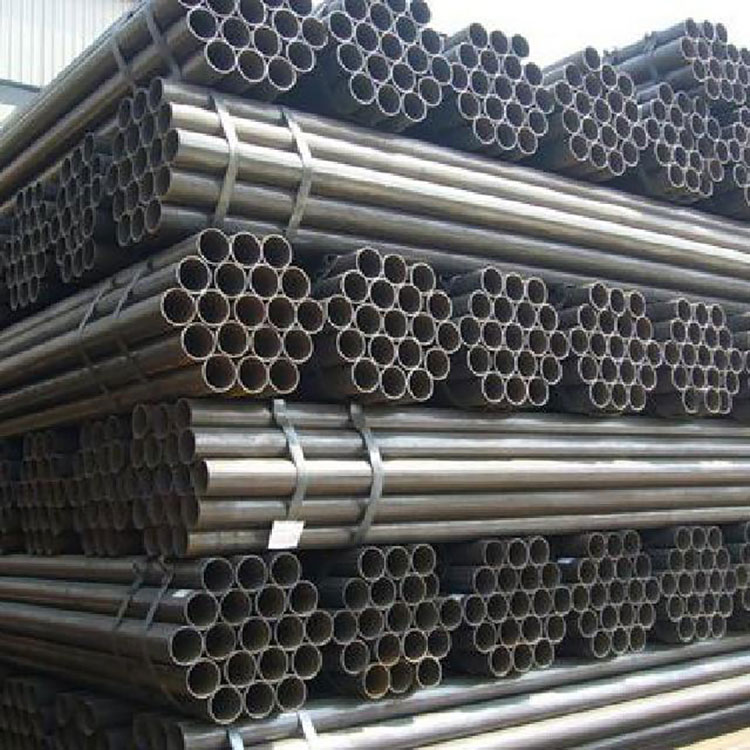 Welded Steel Pipe
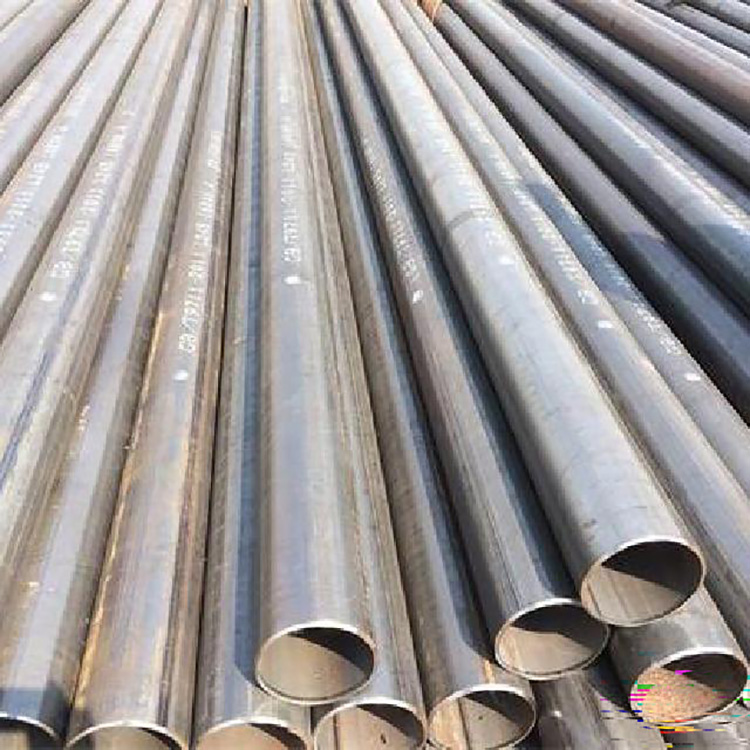 Welded Steel Pipe Manufacturer
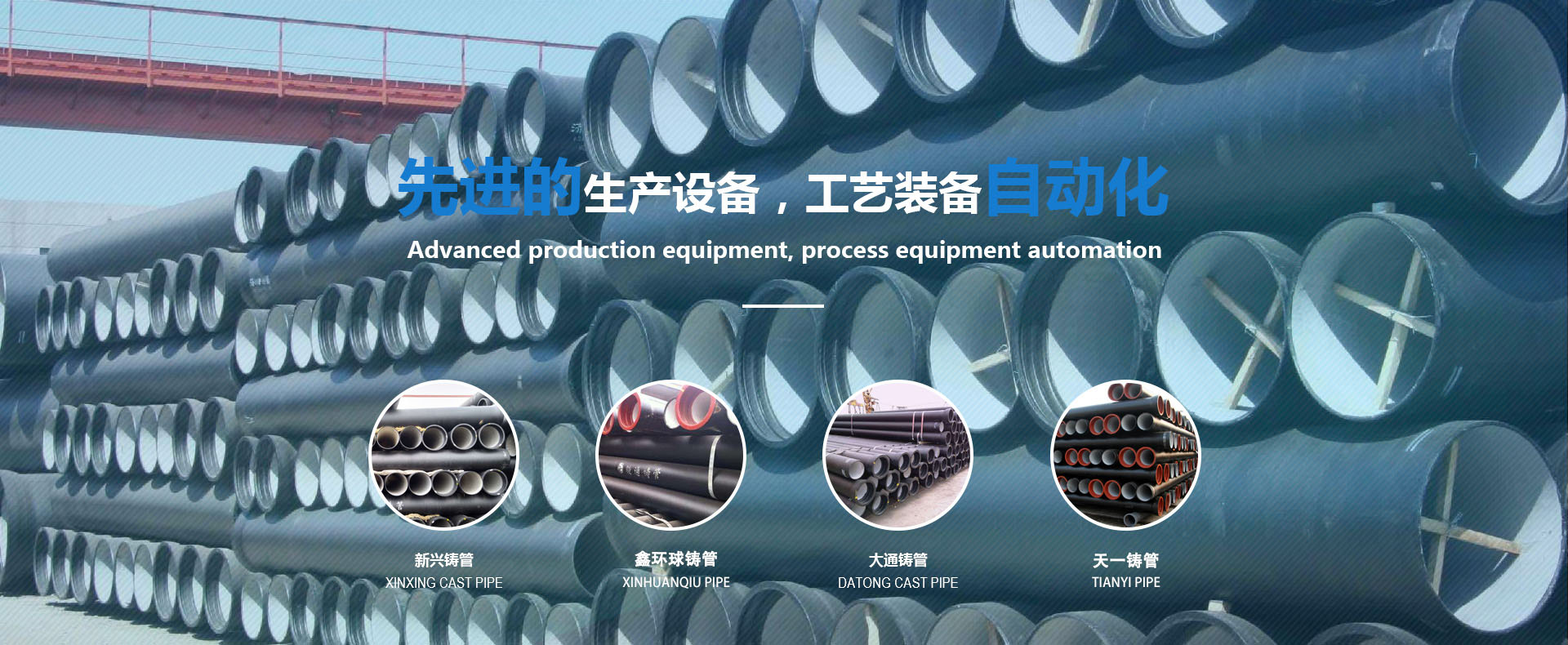
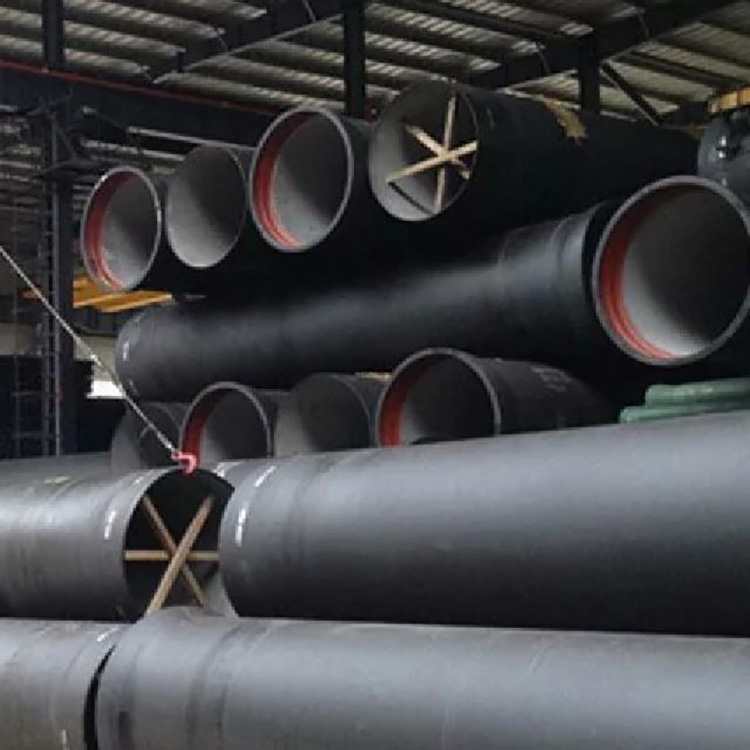 Ductile Iron Pipe
Product Details

Sales: Steel pipes, plumbing pipes and fittings, metal materials

产品Price Negotiable
最小起订Quantity:1 ton 供货总Quantity: 999 ton


Weight Calculation Method |
|
Section shape |
Round Tube |
Method of preservation |
Epoxy Coating (Liquid/Epoxy Paint) |
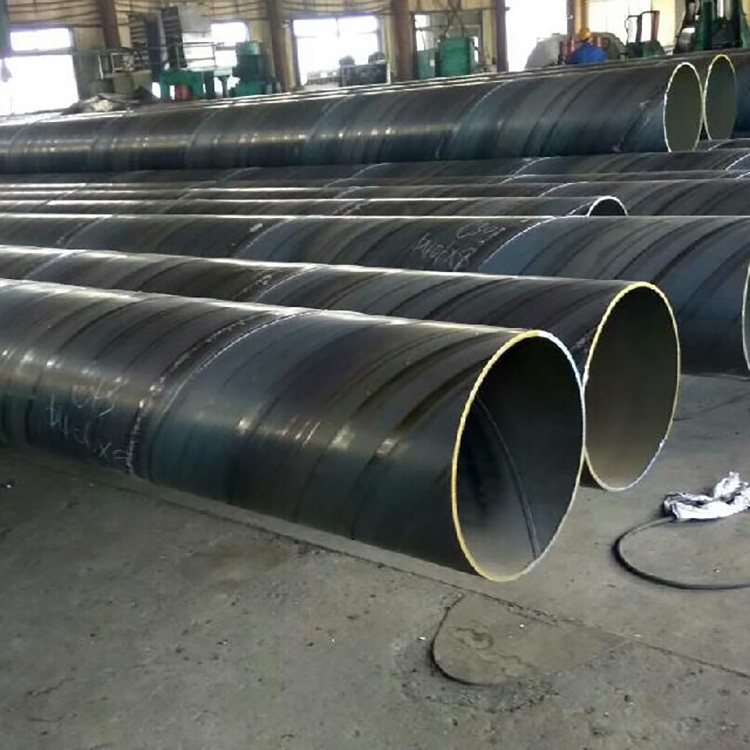
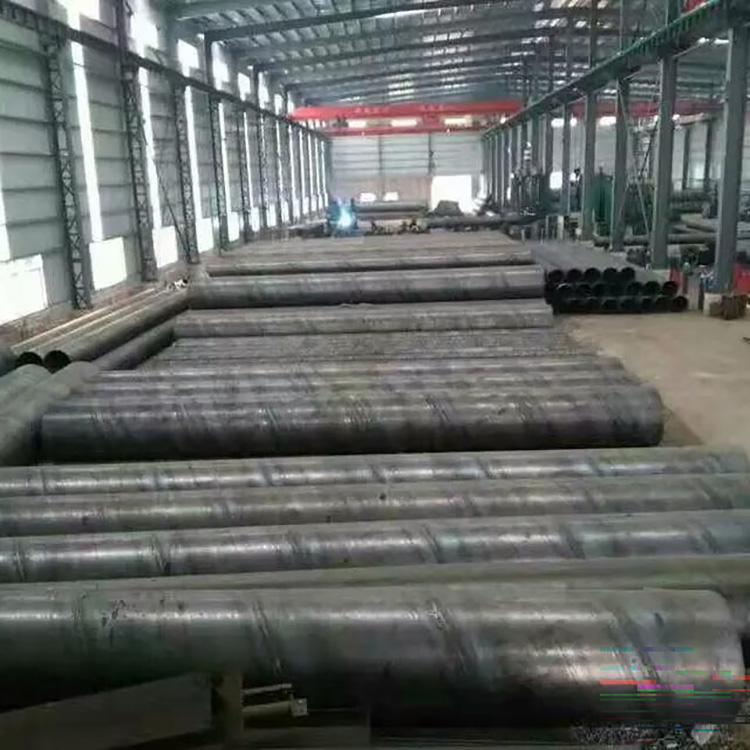
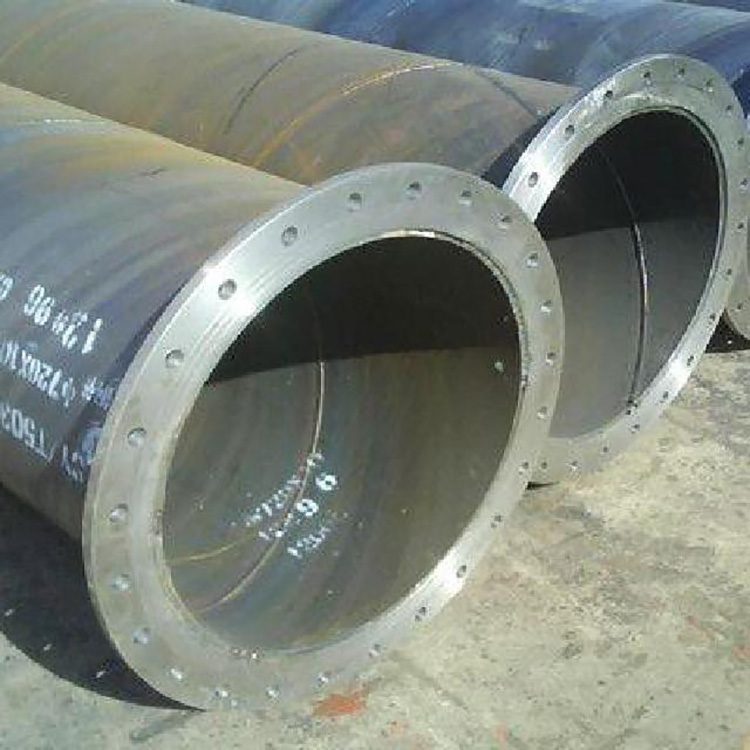
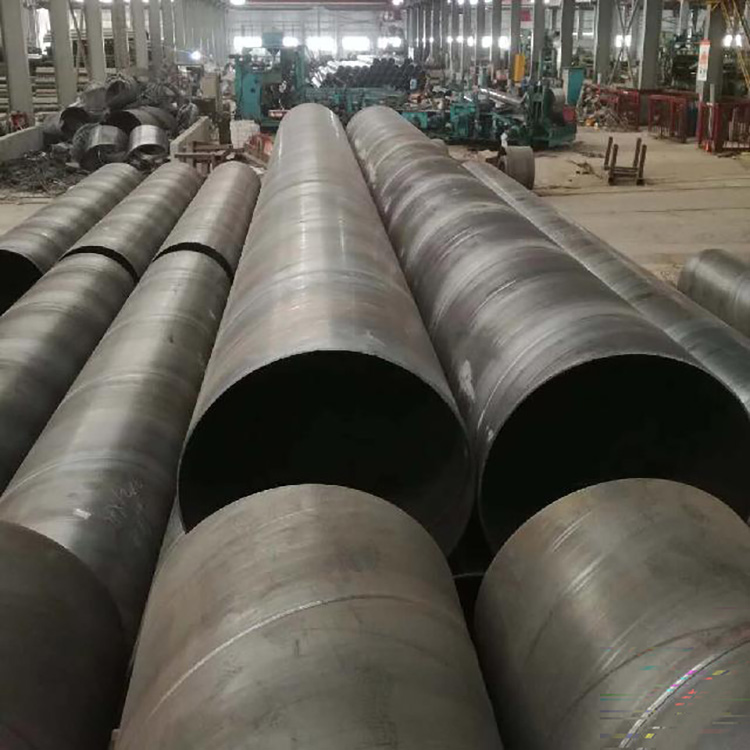
Spiral Welded Pipe: This involves rolling low-carbon carbon structural steel or low-alloy structural steel strips into a billet at a specific spiral angle (known as the forming angle), and then welding the pipe seam to form the pipe. It allows for the production of large-diameter steel pipes using narrower strips. The specifications are indicated by outer diameter * wall thickness. The welded pipes must meet the requirements for hydrostatic testing, tensile strength of the weld seam, and cold bending properties. Compliance Standards Spiral-welded steel pipes with submerged arc welding, SY5036-83, are primarily used for transporting oil and natural gas pipelines; high-frequency spiral-welded steel pipes, SY5038-83, are those welded using high-frequency butt welding, designed for conveying pressurized fluids. These pipes have high pressure-bearing capacity, good plasticity, and are easy to weld and shape. Generally, spiral-welded steel pipes with submerged arc welding, SY5037-83, are used for low-pressure fluid conveyance, manufactured by double-sided automatic submerged arc welding or single-sided welding, suitable for transporting water, coal gas, air, and steam. Common standards for spiral steel pipes generally include: SY/T5037-2000 (Ministry Standard, also known as Spiral Seam Submerged Arc Welded Steel Pipes for General Fluid Transportation), GB/T9711.1-1997 (National Standard, also known as Technical Conditions for Delivery of Steel Pipes for Oil and Gas Industry Transportation - Part 1: Grade A Pipes (Grade B Pipes with stricter requirements are GB/T9711.2)), API-5L (American Petroleum Institute, also known as Pipeline Steel Pipes; divided into PSL1 and PSL2 levels), SY/T5040-92 (Spiral Seam Submerged Arc Welded Steel Pipes for Piling). Material Q235A,Q235B、16Mn、20#、40# Specs Spiral pipe Φ219-2320x6-22mm Usage Spiral-welded pipes are primarily used domestically in water supply projects, petrochemical industry, chemical industry, power industry, agricultural irrigation, and urban construction. For liquid transportation: potable water, wastewater. For gas transportation: coal gas, steam, liquefied petroleum gas. For structural purposes: pile driving pipes, for bridges; wharfs, roads, and building structures. Production Process Helicoidal seam pipes are also a type of welded pipe equipment. They generally have higher strength than straight seam welded pipes and can produce larger diameter pipes using narrower billets. Moreover, they can also produce pipes of different diameters with the same width billets. However, compared to straight seam pipes of the same length, the weld length increases by 30~100%, and the production speed is slower. Therefore, smaller diameter pipes mostly use straight seam welding, while larger diameter pipes generally use helical welding. Spiral Steel Pipe Production Process: Raw materials are steel coil strips, which are formed into spiral seam steel pipes through cold extrusion and then焊接 using the automatic double-spool double-sided submerged arc welding technique. 1. Raw materials, including steel coils, welding wire, and welding flux, must undergo rigorous physical and chemical testing prior to use. 2. Steel strip ends are joined using single or double wire submerged arc welding, followed by automatic submerged arc welding for reinforcement after rolling into steel pipes. 3. Prior to forming, the steel strip is processed through leveling, trimming, edge dressing, surface cleaning conveyance, and pre-bending treatment. 4. Utilize an electrical contact pressure gauge to control the pressure in the hydraulic cylinders on both sides of the conveyor, ensuring smooth steel strip transport. 5. Utilize external or internal roll forming. 6. Employ a weld gap control device to ensure the weld gap meets welding requirements; strict control is maintained over pipe diameter, misalignment, and weld gap. 7. Both internal and external welding processes utilize Lincoln electric welding machines for single or double wire submerged arc welding, ensuring a stable welding standard. 8. All welded seams are inspected by an online continuous ultrasonic flaw detector, ensuring 100% non-destructive testing coverage of spiral seams. Any defects trigger an automatic alarm and marking, allowing production workers to adjust process parameters accordingly and promptly eliminate defects.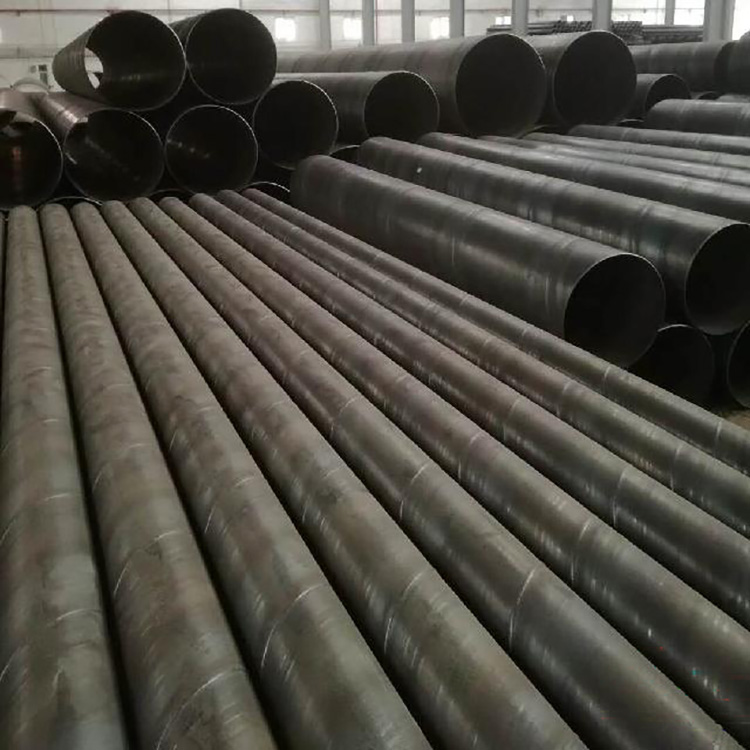


Phone Consultation