



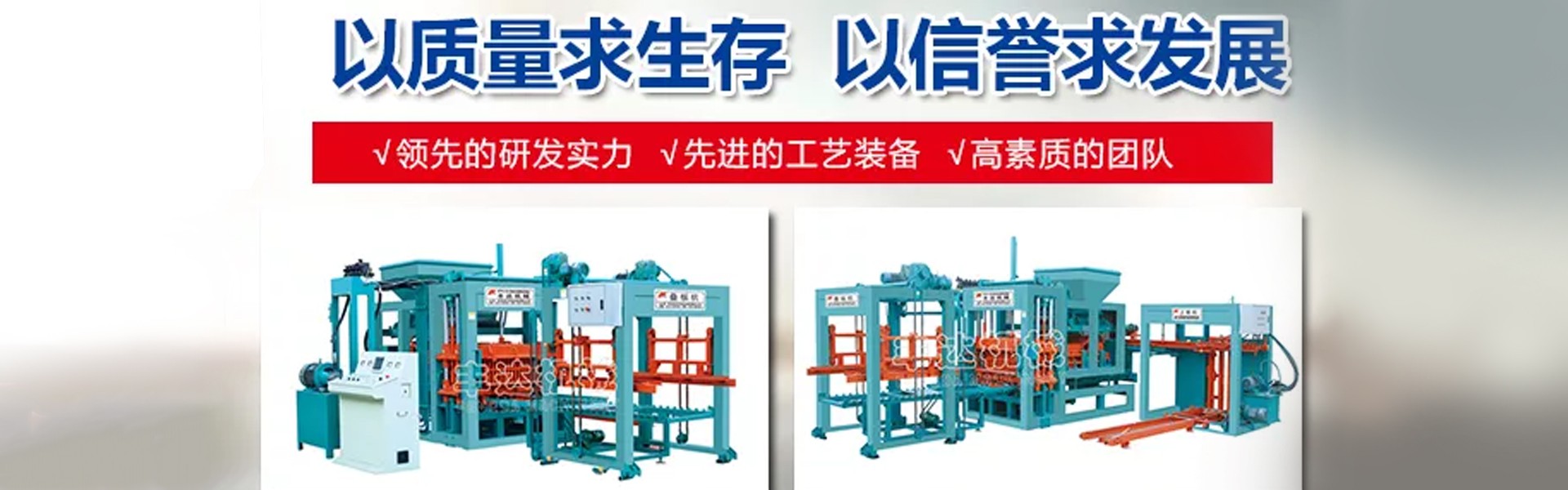

Typically, kilns allow the burn-free brick machine to run for extended periods, sometimes even subjecting it to overload. Prolonged operation inevitably causes the burn-free brick machine to heat up. This can damage components. Therefore, attention should be paid to the method of use during operation, and regular checks should be conducted to avoid excessive oil temperature in the burn-free brick machine. What can specific operations prevent?
The oil in the fuel tank serves both cooling and lubricating functions. It is essential to replenish it promptly when the level decreases. During operation, it's important to regularly monitor the oil level to ensure it remains in an optimal circulating cooling position.
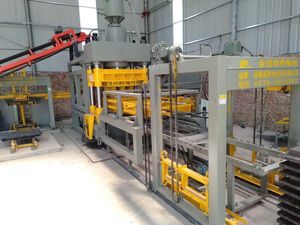
Oil viscosity affects the rise and fall of oil temperature. If the oil viscosity is too high or too low, the oil temperature will increase. High viscosity leads to energy loss when the oil is added; low viscosity increases leakage, both of which cause the oil temperature to rise. Therefore, maintaining oil cleanliness and regular oil changes are necessary.
When the burn-free brick machine is not in use, reduce the load on the machine.
Water in the cooler has good cooling properties. Before operating the brick making machine without firing, please ensure there is enough water in the tank to prevent evaporation and affect the cooling efficiency.
The impact of mechanical heating is multifaceted. It affects the user experience of brick-making machines, reduces product quality, and even impacts the lifespan of the machines. However, during operation, one must pay closer attention to the relevant procedures, strictly follow the operation manual, and avoid overheating in brick firing machines. We hope this will draw users' attention.
That concludes our introduction for today. We hope it has been helpful to you. For more information, please visit our website, where we will provide you with more professional insights.
