




 通过中商114认证
Who knows which type of wood is best for stair railings?
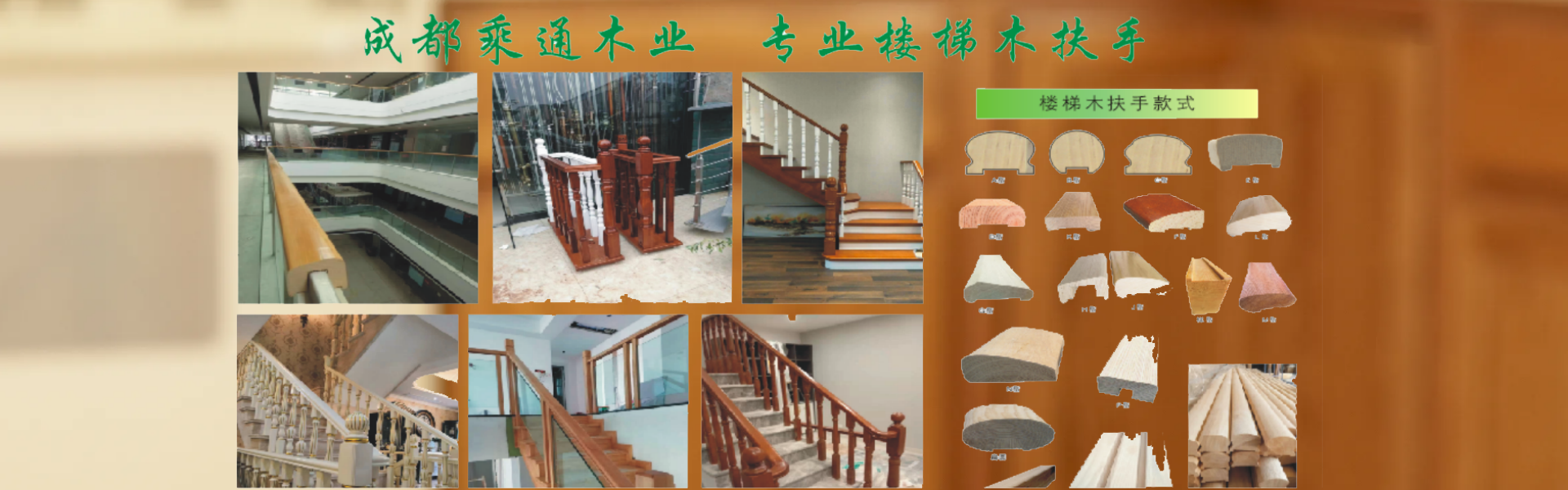
Handrails for wooden stairs typically require hardwoods. Common imported solid wood materials used for stair construction on the market include rubberwood, ash, beech, rosewood, American red oak, red cherry, kasla, and more. Domestic solid wood handrails utilize woods such as oak, beech, ash, elm, birch, and so on.
The design of the staircase handrail determines its aesthetics, safety, and comfort, highlighting the importance of staircase design. Overall, the handrail should be in harmony with the steps. Factors such as the size of the openings, the choice of staircase size, tread width, and the staircase's shape; and the floor height, the spacing of the steps, affect the comfort of ascending and descending.
First and foremost, consider the placement and design elements of the staircase. The staircase is particularly crucial for the overall layout of home renovations, and the space it occupies and its entrance and exit must be carefully considered. Staircases are generally placed in a dedicated staircase room or a corner near the wall, thus avoiding space wastage and disrupting the overall layout. The entrance and exit of the staircase should be set according to the principle of ease of walking and short-distance routes.
2. Next, consider the material of the staircase. The material should be chosen based on the home's interior style; for Chinese style, solid wood stairs are recommended, while for modern minimalist style, steel-wooden stairs are more suitable. Additionally, if there are elderly or children in the household, solid wood stairs are a better choice.
Step Inclination: The step inclination refers to the angle between the connecting line of the front edges of the steps and the horizontal line. The step inclination for indoor staircases is generally 30%, with overly steep or shallow inclinations affecting walking comfort.
4. The width of indoor staircases is generally around 90 cm, which is suitable. If the single-level area is larger, it is appropriate to extend to 95-100 cm.
Step railings must not be less than 90 centimeters from the stair tread, nor should they be excessively high.
Step spacing between balusters must not exceed 4.33 inches. Excessive gaps are not conducive to children's safety, and it is generally required that children's heads cannot extend through.
7. Consider the possibility of a head-on encounter. The distance from the bottom of the stairwell opening to the corresponding step should generally be over 2 meters, with a minimum of 190 centimeters in principle. This factor is often overlooked during stair renovations;
8. Staircase Paint. Opt for brand-name staircase suppliers whenever possible, as larger staircase companies typically have more refined painting techniques, resulting in a finish that is less prone to wear.
The style and details of the staircase are the key to the entire staircase renovation design. As they say, the devil is in the details; a grand yet exquisite staircase always leaves a lasting impression.
When selecting a staircase supplier, visit their clients, experience their product quality firsthand, listen to their feedback, and compare three different options.
Choose a handrail with an appropriate grip size. The standard handrail specifications of 45*70 indicate a comfortable grip size where the hand can comfortably fit.
