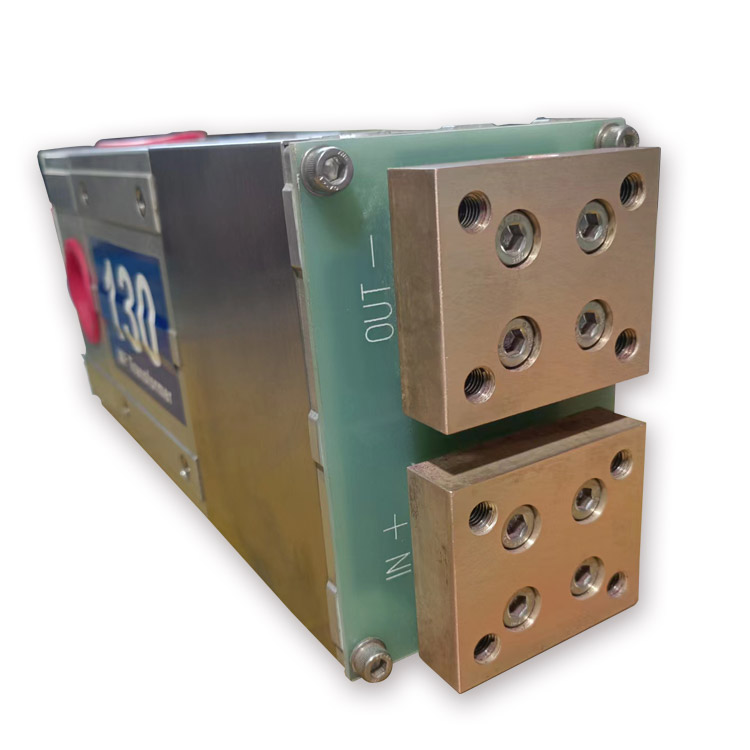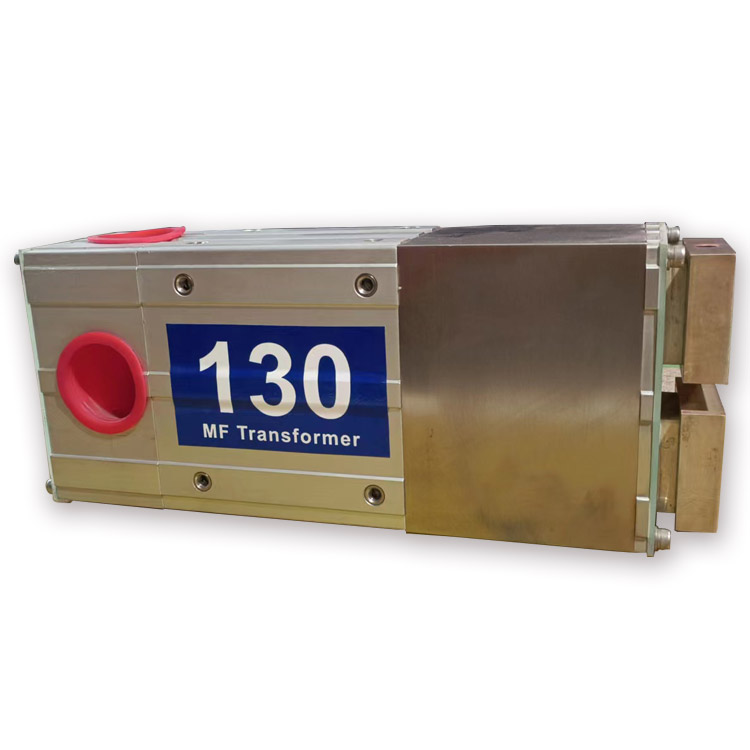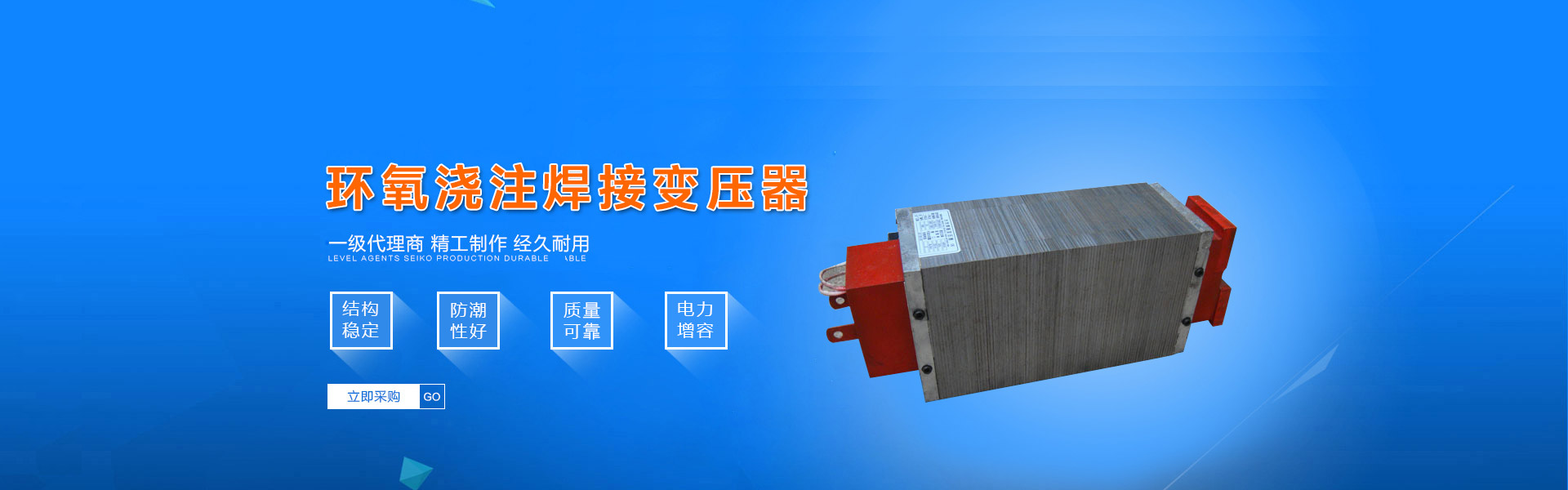


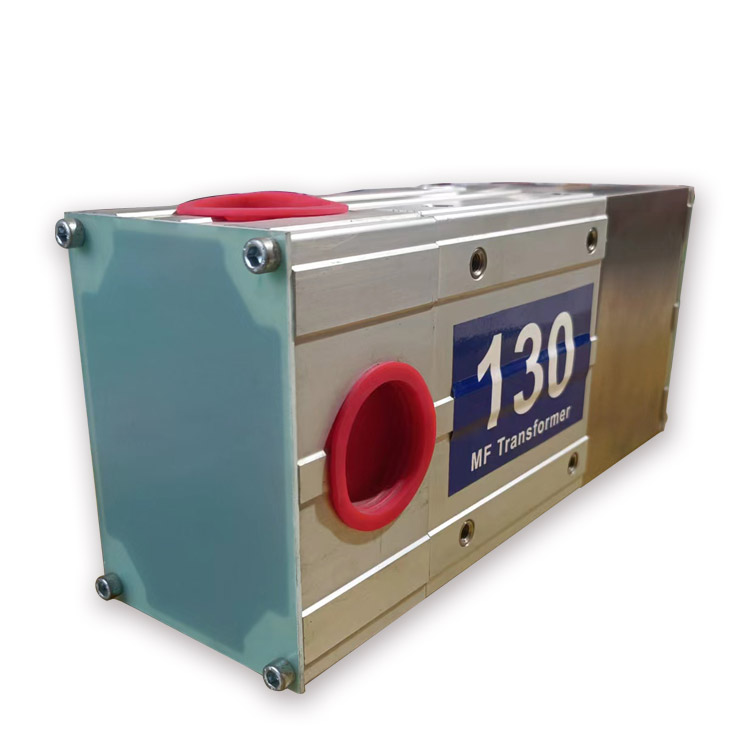

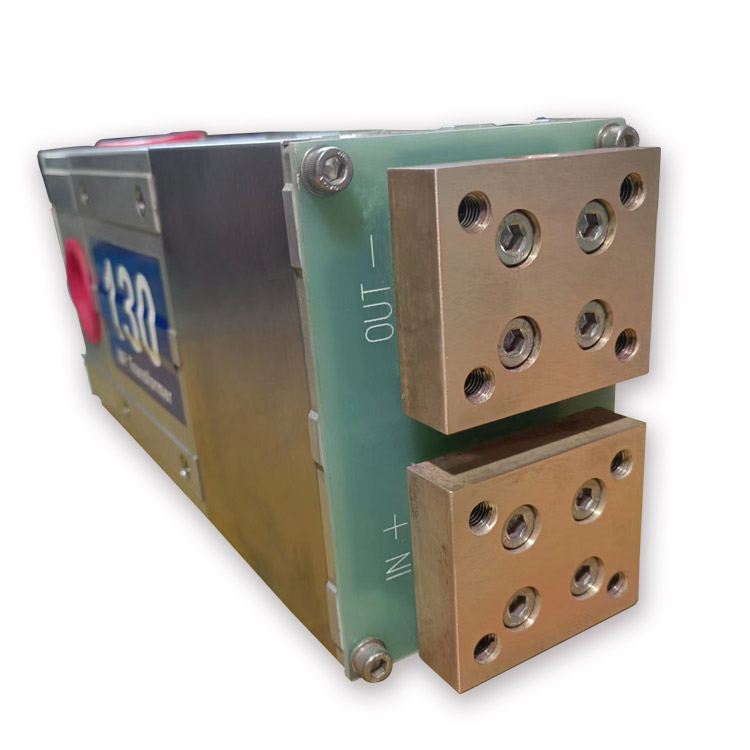
The medium-frequency welding transformer is made by combining ferrite high permeability silicon steel sheets, followed by casting with epoxy resin, which significantly reduces the transformer's losses. Current measurement is conducted in the secondary circuit using sensors. The primary assembly of the transformer includes a temperature-sensing switch, and the secondary assembly features a rectifier group. All coils and rectifying elements are equipped with water-cooled heat dissipation. This greatly reduces the weight of the core material.
The medium frequency inverter is a crucial power drive component of the equipment. It converts three-phase 50/60Hz 380V AC input into a high-voltage DC power source, which is connected to capacitors for filtering. Subsequently, the medium frequency inverter outputs an appropriate 1KHz square wave based on the control input settings and feedback current. This is then used for welding through a low-voltage transformer output by the medium frequency welding transformer. Additionally, the inverter box is equipped with an exhaust fan to provide air cooling for the inverter, ensuring safe operation.
Compared to traditional welding power sources, the following advantages are present:
The grid has stronger adaptability to fluctuations and voltage drops; a portion is stored and supplied to the load by the inverter, replacing the direct supply from the grid. Energy-saving, power factor improvement, and cost reduction in processing. It can reduce interference in a secondary circuit with a very large opening area. The welding current is DC, and it will not affect the welding when there is an induced (magnetic) material in the secondary winding. More precise, quick, and accurate parameter analysis. Capable of preventing damage caused by the wave interference on the grid induced by the thyristor system.