




Section 1: The Role of Relay Protection
Relay protection is an essential measure for detecting faults or anomalies in an electric power system, triggering alarm signals or directly isolating and removing the faulty components. Its main functions include: 12
Quickly Disconnect from Fault: In the event of a fault in the power grid that is sufficient to damage equipment or threaten grid safety, quickly disconnect the protected equipment to prevent the fault from escalating.
Timely Alert Signals: The system can promptly issue alert signals for abnormal operations of the power grid and certain equipment, enabling rapid response and restoration to normalcy.
Achieving automation and remote control in the power system: as well as automatic control in industrial production, such as automatic reclosing; automatic engagement of backup power; remote control, remote measurement, and remote signaling, etc.
Relay protection devices are widely used, including but not limited to high-voltage power supply systems in factories and enterprises, power substations, and are utilized for line protection of high-voltage power supply systems, main transformer protection, capacitor protection, and more. With the rapid development of relay protection technology, microcomputer protection devices are increasingly being put into use, enhancing the reliability of protection.
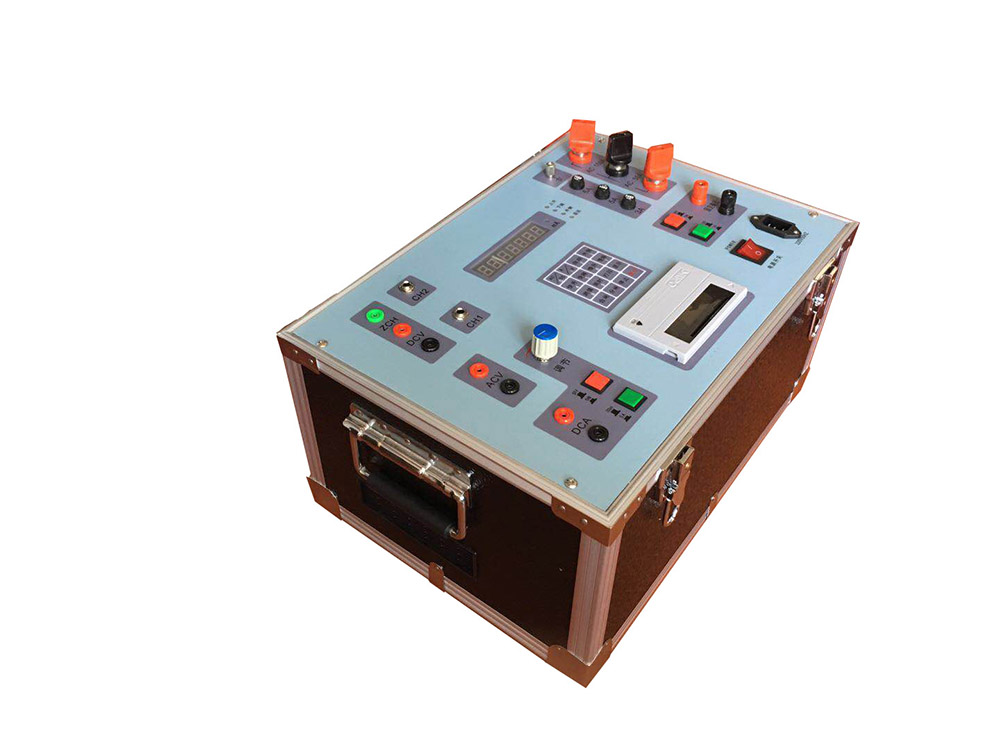
The basic concept and function of relay protection are based on the physical quantities that constitute relay protection actions due to changes in electrical quantities (current, voltage, power, frequency, etc.) during component short-circuits or abnormalities in the power system. Its primary task is to automatically disconnect the faulty equipment from the system or signal the on-duty personnel to eliminate the root cause of abnormal conditions within a short time and small area, in order to avoid or mitigate equipment damage and reduce the impact on power supply to adjacent areas.
