


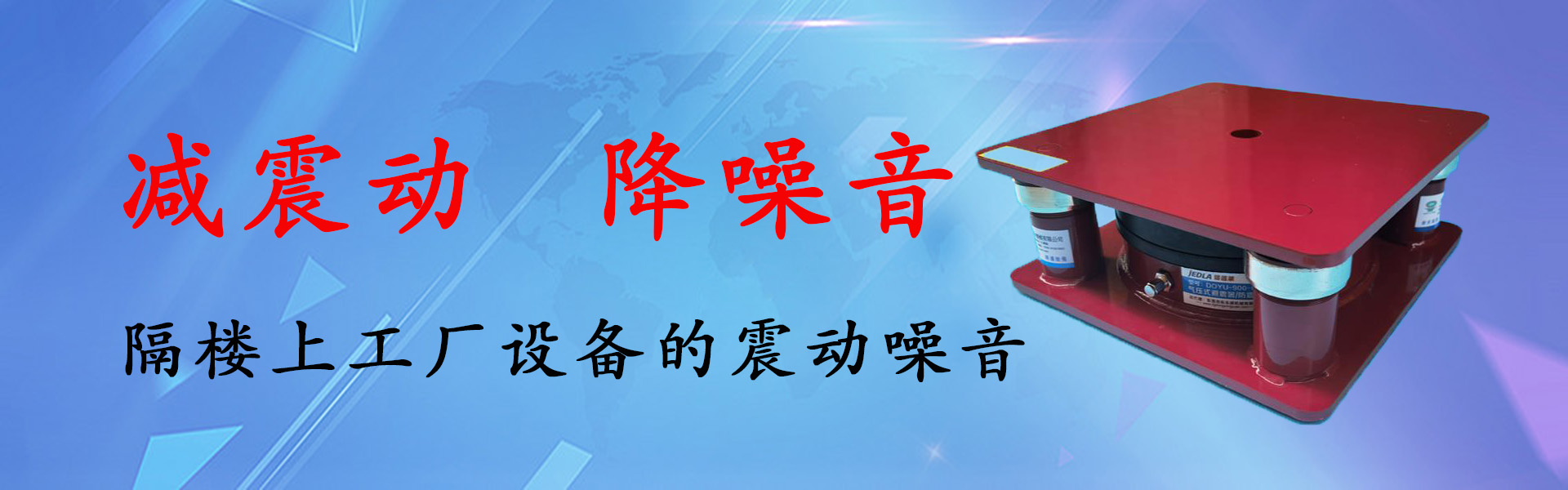

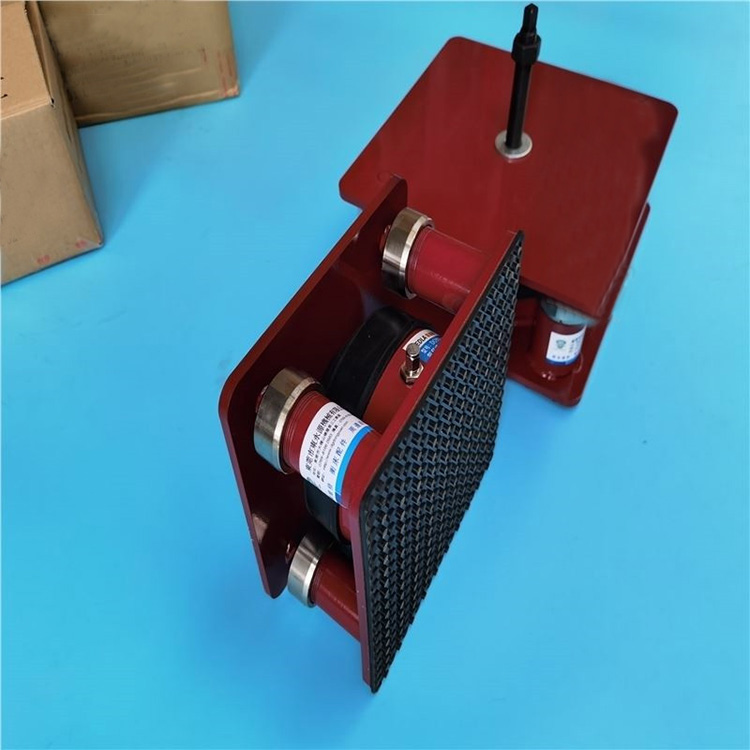
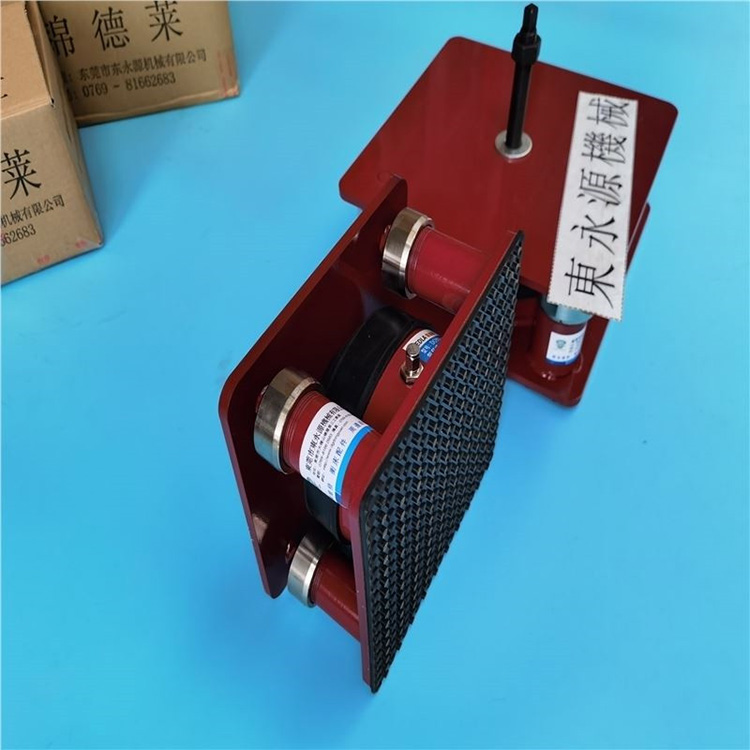
How to reduce vibration for cutting machines placed on high floors, and how to reduce vibration for cutting machines on high floors. -- The issue of how to reduce vibration for equipment placed on high floors, such as the second, third, or even higher floors, has become increasingly attention-worthy in recent years. Since vibration is involved, we first need to understand the level of vibration that high floors can withstand. What kind of vibration isolator should be used to mitigate such vibrations? What type of isolator is suitable for the equipment currently in use? Are we using Dongyongyuan air cushion vibration isolators, rubber vibration isolators, or ordinary machine tool feet? Taking a cutting machine placed on the second floor as an example, we will explain how to measure and isolate vibrations for equipment on high floors. Cutting machines are generally widely used in industries such as leather goods, footwear, textiles, printing, and packaging. Their working principle involves using molds to cut the desired product shape through upper and lower collisions. The pressure of these collisions ranges from 10-100T, so the pressure generated during production is very high, resulting in significant vibrations. Factors determining vibration include speed, acceleration, and displacement. The speed and acceleration generated during the operation of cutting machines are not particularly fast, so we primarily judge the intensity of vibration based on the displacement caused by the vibration. Based on practical results, only air cushion vibration isolators are suitable for vibration control, while rubber vibration isolators can reduce vibration but do not achieve the desired effect. Therefore, from the above results, it is concluded that DOYU air cushion vibration isolators are suitable for equipment placed on the second floor. Additionally, air cushion vibration isolators are very versatile and can be used as press machine vibration isolators, die-cutting machine vibration feet, and more.

