


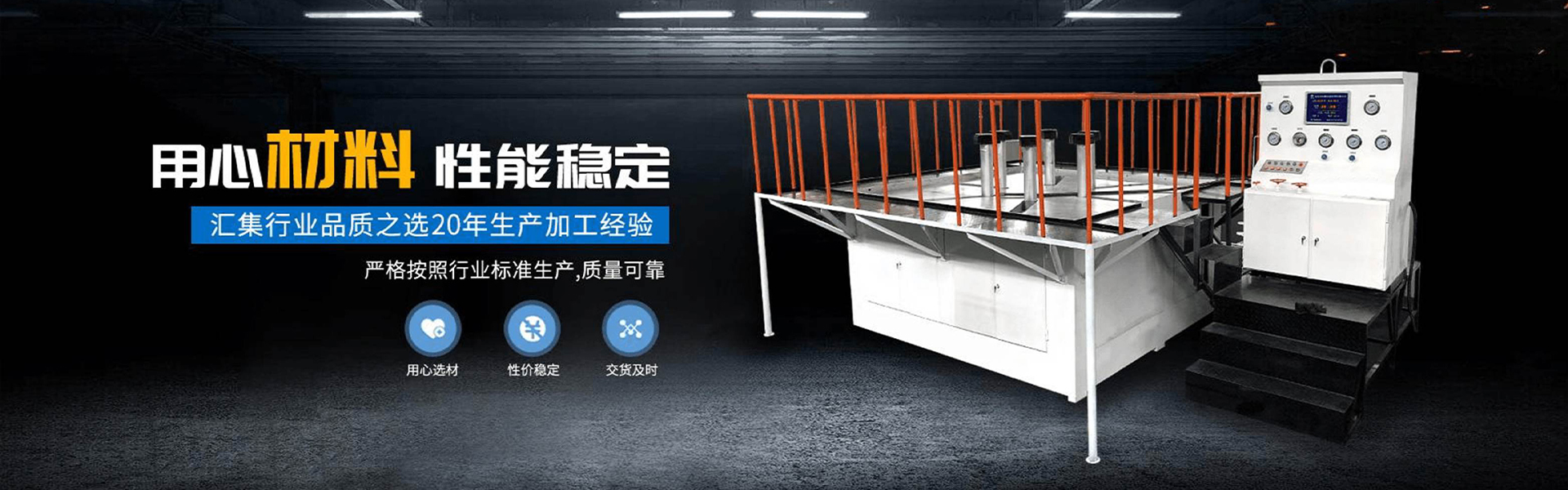

Many people are still unclear about the damage detection of valve testing equipment. Today, let's allow our editor to introduce it in detail for you!
1. Appearance Features
Mechanical damage refers to the process damage that occurs during the transportation, transfer, lifting, and stacking of valves due to collisions, shearing, or cutting. This includes scratches and indentations on the sealing surfaces of flanges, such as raised or flat-sealed surfaces.
No addressing the disadvantages of surface casting and forgings with shine.
When these deficiencies reach a certain depth, they also impact the quality and lifespan of the valves.
2. Inspection Methods
Visual inspection of the valve surface has identified mechanical damage. The depth of the defect can be measured using a weld thickness gauge or a depth meter.
3. Defect Identification
Radial scratches on the convex or flat sealing flange surface, mechanical damage and defects on the inner flange, and scratches and defects on both sides of the ring flange sealing groove, are among the drawbacks. Collisions can affect the valve method. Blue sealing is generally not permitted.
