


As of now, the occurrence of leakage issues is unrelated to either material or process aspects.。
1. Poor-quality materials, non-standard, counterfeit, and shoddy products have become widespread, leading to the near-loss of the intended durability and effectiveness in waterproofing. As a result, it's a tragic situation where repairs are just completed, only to be followed by heavy rain, causing leaks to flood again.
2. Poor design and construction, illegal subcontracting by "waterproof guerrillas," a typical "hit-and-run" approach, and these so-called teams lack professional waterproofing skills, with unreasonable designs. After a round of painting, leakage issues can spread like "hidden diseases," gradually expanding over time after use, resulting in the continuous payment for leakage problems.
How to effectively prevent and repair water leakage, and are there any taboos to be aware of?
Achieving effective waterproofing requires a reasonable match between materials and technology; therefore, one must be particularly careful in areas prone to leaks.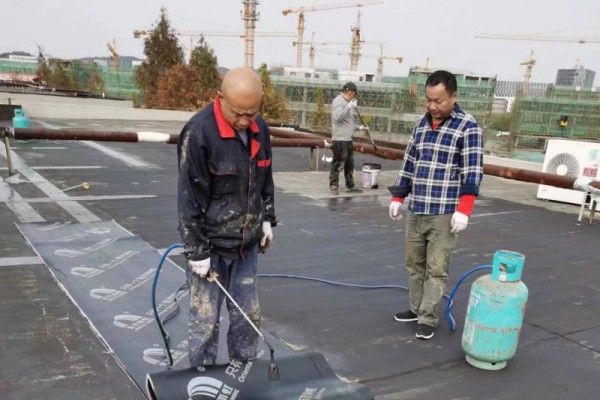
Avoiding Pitfall 1: After water leakage occurs in the roof waterproofing, repair the corresponding leakage location indoors (on the backside).
Recommendation: Waterproofing is not simply about sealing leaks. For issues like roof leakage, merely patching the areas where water intrusion is visible indoors may only prevent water from escaping from that spot, but it is unlikely to ensure that the leakage won't redirect to other areas. This doesn't solve the leakage problem. Instead, a professional approach should involve inspecting the leakage cause from the upstream side, identifying the leakage points, and then carrying out repairs from the upstream side.
Avoiding Pitfall Two: Refrain from using waterproofing materials incompatible with the waterproofing layer for repairs.
Suggestion: Don't waste materials that haven't been used before by arbitrarily using them for waterproofing repairs. If the repair layer doesn't bond well with the original waterproofing, it won't meet the overall integrity requirements, which often leads to secondary leaks, resulting in higher repair costs.
Avoiding Pitfalls 3: Do Not Randomly Use Standard Cement Mortar to Seal Cracks in Rigid Waterproofing Roof Surfaces Without Observation
Recommendation: Such an approach may easily lead to the re-cracking of existing cracks in rigid waterproof roofing, and is more likely to cause new cracks to appear in other locations.
Due to considerations for waterproofing effectiveness and building safety, for the construction of waterproofing on rigid waterproofing roof cracks, we must first inspect the size, severity, and distribution of the cracks, analyze the causes of the cracks, and then use corresponding sealing materials, waterproof coatings, and waterproof membranes for repairs. The workload is substantial, and seeking assistance from a professional team is recommended.
Avoiding Pitfalls Four: Inspect building leakage, plug any leaks found immediately
It's recommended to avoid a "treat-the-symptoms-not-the-cause" approach when dealing with waterproofing issues. This method only repairs partial leak points, which can easily lead to a repetitive "whack-a-mole" process of patching multiple leaks, while the root cause of the leakage remains unresolved.
Proper construction should follow the process of first plugging large leaks, then small ones; first dealing with higher areas, then repairing lower ones; and finally, fixing walls before floors.
Avoiding Pitfall Five: Waterproof mortar coating for renovation work during damp conditions
It is recommended that waterproofing mortar coatings be applied only when there is no leakage, as applying them over渗漏水 can hinder the normal curing of the mortar, resulting in an inability to achieve the expected bonding effect, density, and waterproofing capabilities, ultimately leading to the failure of the repair project.
The correct procedure involves first establishing drainage and water diversion, setting pipes at leaky areas for water引流, and using leak-sealing gel to stop the water. For locations requiring grouting, pressure grouting should be performed first, and only after the base surface is free of leaks can the construction of waterproof mortar coating proceed.
Ensuring waterproofing requires standardized operations from identifying leakage issues to proposing solutions, from selecting materials to the actual construction process.
