


Waterproofing materials are indispensable during the renovation and construction of buildings, ensuring their durability, service life, and safety. However, there are various types of building waterproofing materials. What are the different types of building waterproofing materials?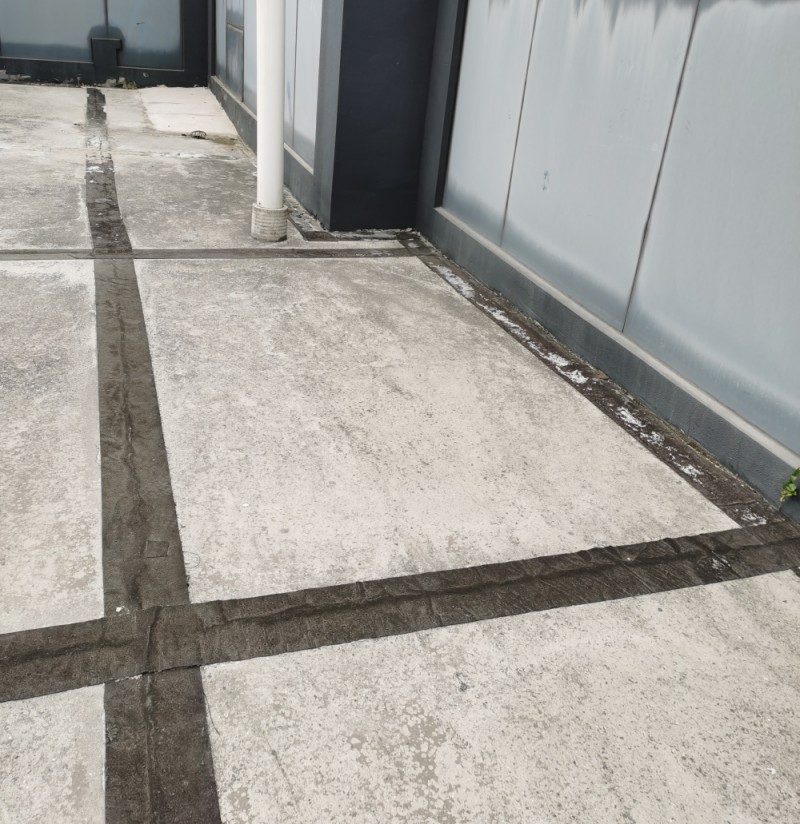
Waterproof materials are categorized into several types, such as color steel roofing, waterproof membranes, waterproof coatings, waterproof asphalt, waterproof films, elastic waterproof materials, artificial resin waterproof materials, and waterproof building fibers. Common waterproof materials include waterproof membranes and coatings.
Waterproof membrane is a rolled material made from materials such as polyester, polyvinyl chloride, synthetic rubber, synthetic fibers, or aluminum foil, widely used in important building structures and engineering waterproofing. The characteristics of waterproof membranes include ease of use, convenient construction, and good waterproofing performance, but their service life is relatively short, typically lasting around 10 years.
Waterproof paint is a type of coating that prevents water and moisture. It utilizes materials that are both soluble and insoluble in water, and the application methods include spraying and rolling. Waterproof paint is suitable for buildings, underground projects, exterior walls, and umbrellas, among others. It offers the advantages of easy and quick application, excellent waterproof performance, long service life, and low production costs, making it a relatively economical waterproofing material.
Selecting the appropriate waterproofing materials is crucial in construction waterproofing projects. It is essential to choose materials from manufacturers with production qualifications and multiple quality certification certificates.
Moreover, when selecting waterproof materials, attention should be given to whether the materials are suitable for the environment, such as for buildings with acidic or alkaline properties, where acid and alkali-resistant waterproof materials should be chosen. Additionally, it's important to select materials that have a long lifespan, are easy and quick to install, are reasonably priced, and provide excellent waterproofing.
Moreover, when selecting waterproof materials, one should not seek cheap options, as purchasing low-priced waterproof materials can lead to greater risks.
