

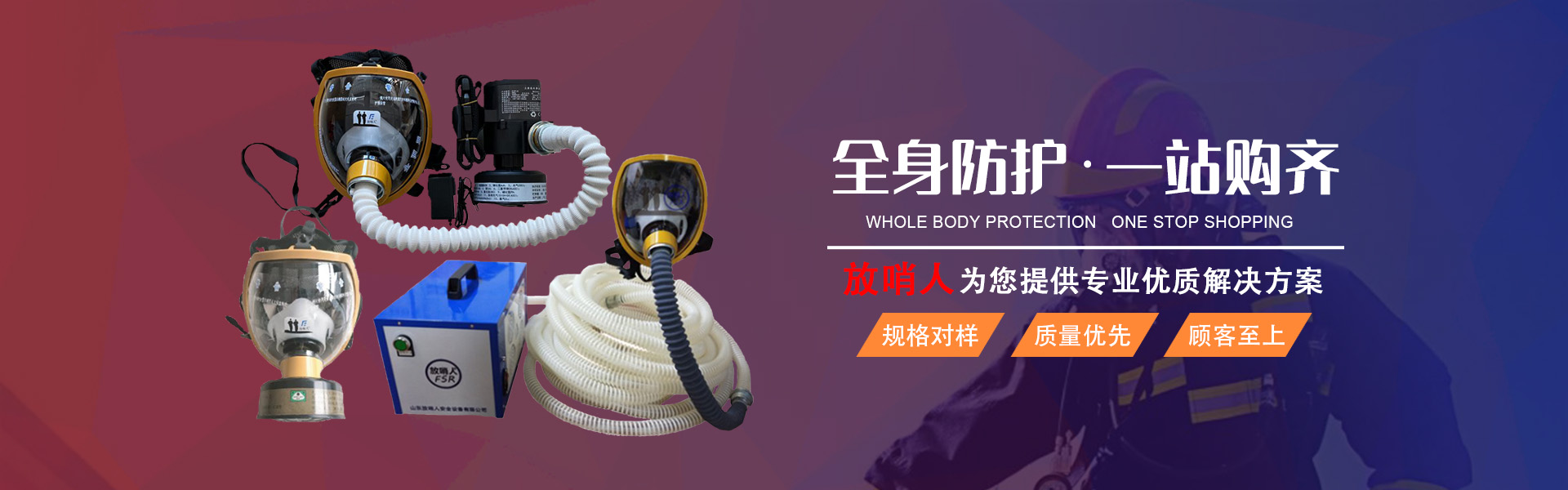



In our work, we frequently utilize air breathing apparatus to safeguard our respiratory system. It is a self-contained open-circuit air breathing apparatus, characterized by its lightweight design and ease of operation. It is commonly used in industries such as oil and chemical processing, firefighting, mining, and smelting, and can be employed in environments with thick smoke, toxic gases, steam, or oxygen deficiency.
Cylinders are one of the main accessories for air respirators, used for storing air. The cylinders have a maximum storage pressure of 30MPa. During use, the pressure reducing assembly decompresses the compressed air for breathing. As work time increases, the amount of air, whether light or heavy, decreases accordingly, and the pressure within the cylinder diminishes. At what point does the pressure value of the air respirator cylinder become too low to be used?
We all know that the air breathing apparatus consists of a pressure reduction assembly, which includes the pressure gauge and the excess pressure alarm. When the pressure inside the gas cylinder drops to 5.5 ± 0.5 MPa, the pointer on the pressure gauge will point to the red zone, and the excess pressure alarm will sound. At this point, the air in the cylinder can still be used for about 5 minutes. We should immediately leave the work area.
Prior to using the air respirator, it is crucial to inspect it to minimize casualties. Apart from checking for any deformation or damage to the respirator's components, the pressure of the air cylinder must also be verified. If the cylinder pressure falls below 20MPA, it should be recharged. Ensure the cylinder is fully charged as a backup to prevent insufficient pressure from leading to inadequate usage time and potential accidents.

