
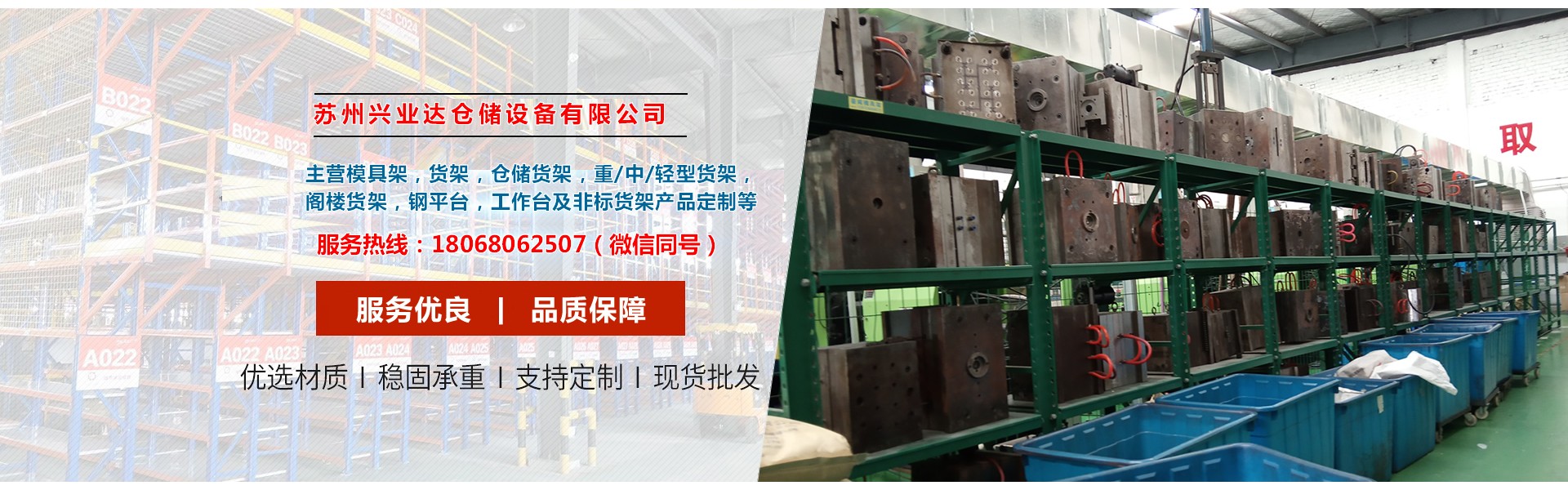
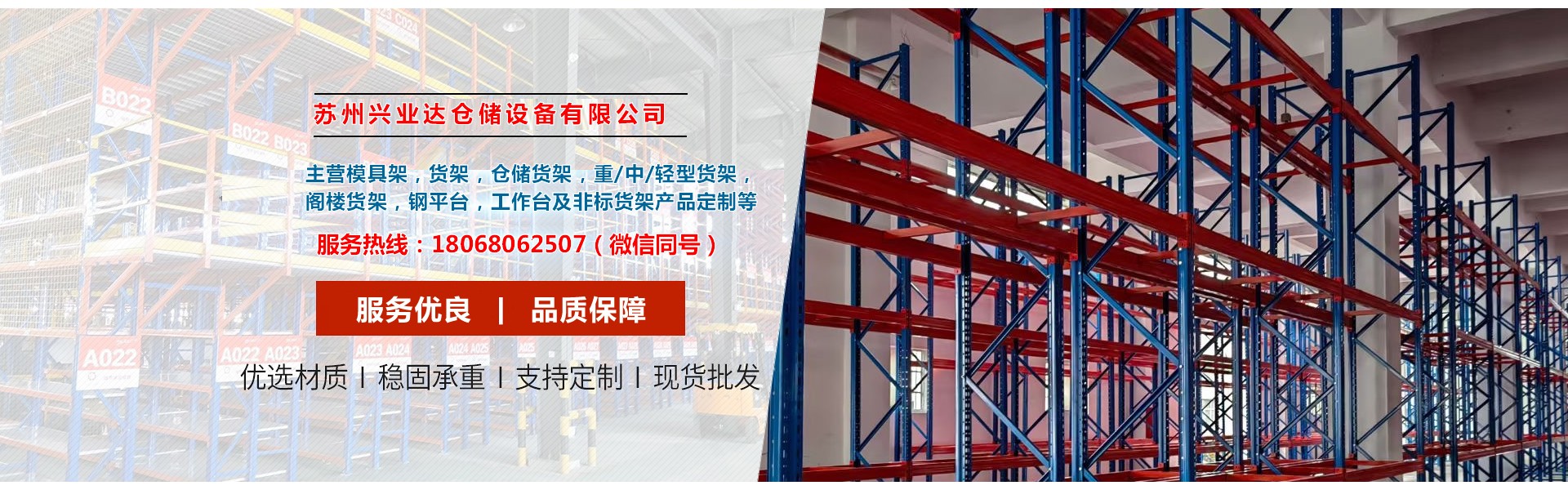
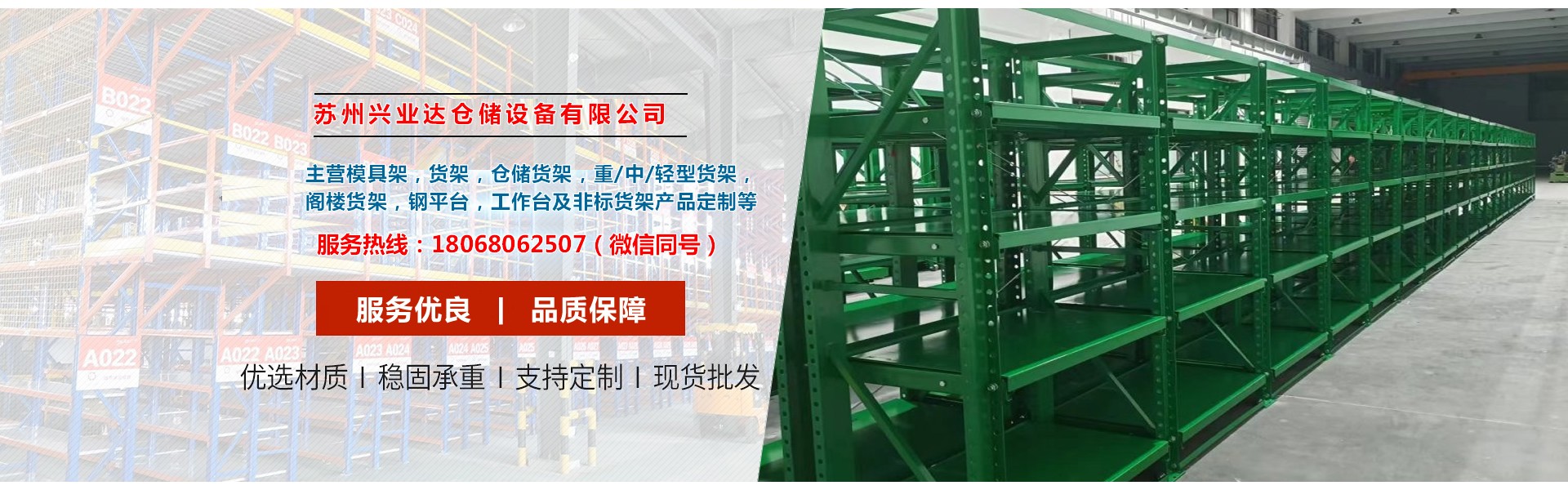





This is a question of great concern to many consumers. The primary function of warehouse shelves is to store goods, and often, it is not necessary to pay as much attention to the appearance of the shelf products as with other goods.
1. The stability of shelving has always been one of the key issues in the structural design of warehouse shelving, and the widespread application of the steel shelving structural system highlights the importance and urgency of stability research. Due to the many uncertain factors involved in the design, construction, and use of the steel shelving structural system, the introduction of reliability analysis is necessary.
2. When selecting shelving, always choose the type that suits the characteristics of your warehouse. Therefore, it's crucial to plan ahead yourself or have the professional technical staff from the shelving manufacturer customize it for you. This will significantly increase the utilization of your warehouse and minimize the likelihood of future issues.
3. Process Issues: After molding, all black components of the shelves should undergo several processes including degreasing, rust removal, pretreatment, phosphatizing, passivation, electrostatic spraying, and high-temperature curing. The quality of the powder also varies. Most shelf companies have standard colors, and the cost for standard color spraying is generally low. If a special color is used, changing the powder will extend the production timeline and waste powder, thus increasing the cost.
Three types of supermarket shelves are commonly used: one-sided netted shelves, double-sided netted shelves, and angle steel shelves. Other types, such as storage racks and flower carts, also utilize these. The specific model and rules are determined by the supermarket's floor plan and product arrangement. Storage shelves and warehouse shelves are essentially the same, generally divided into four types: heavy-duty shelves, medium-duty shelves, light-duty shelves, and angle steel shelves. The specific rules are based on the size, height of the warehouse, and the items to be stored.
