
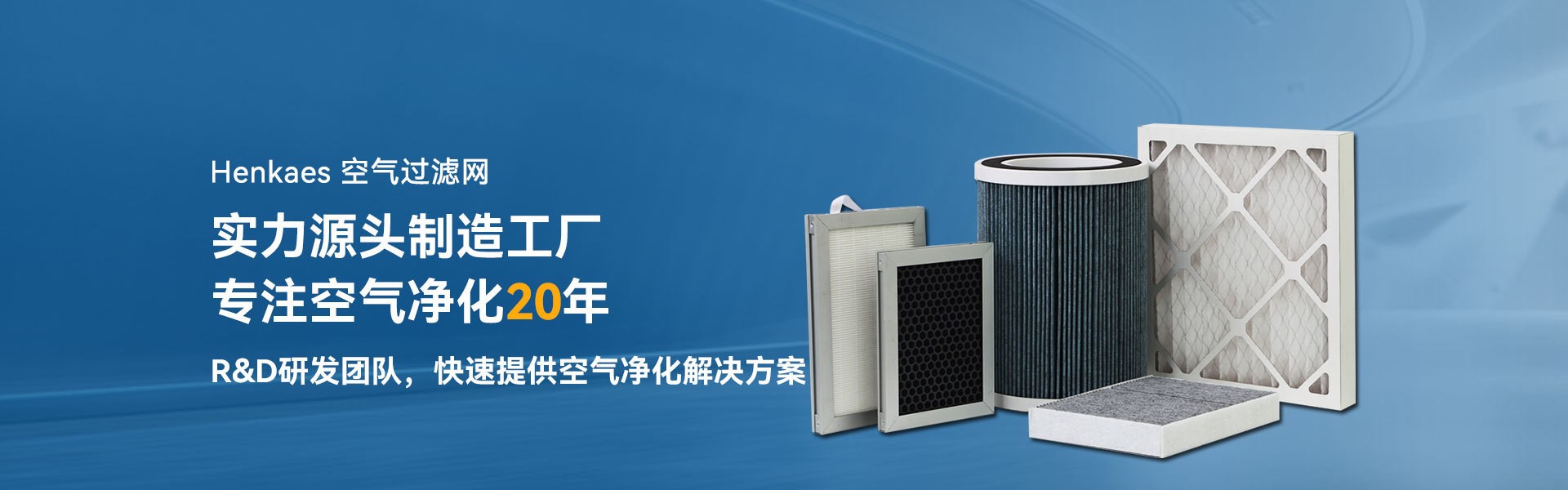
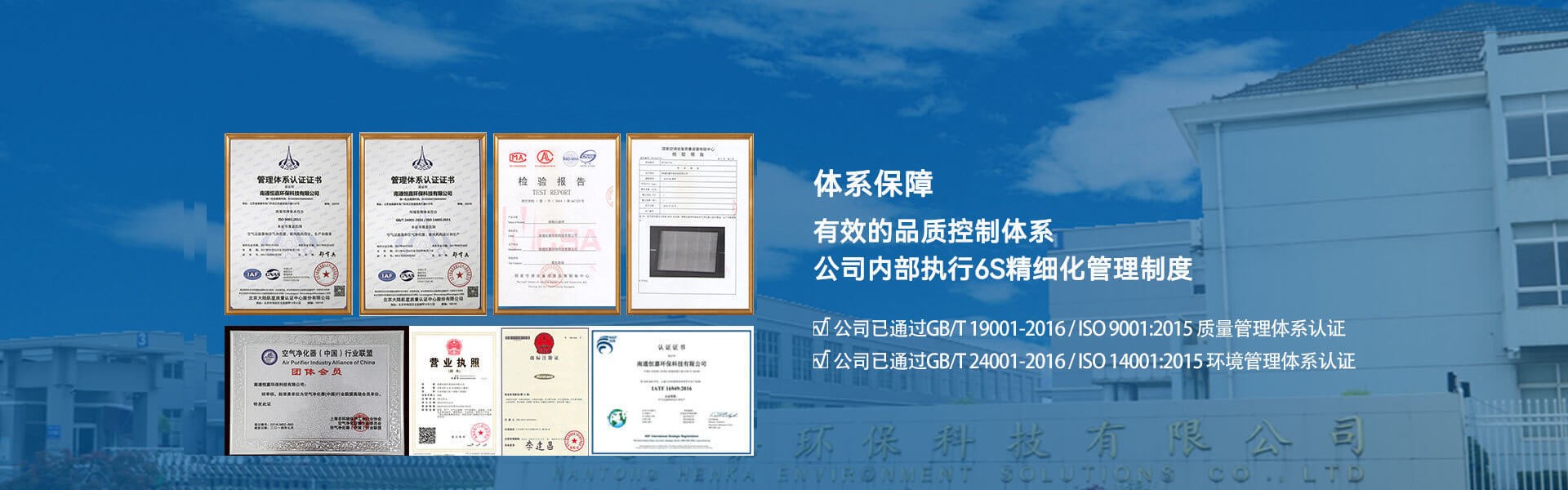
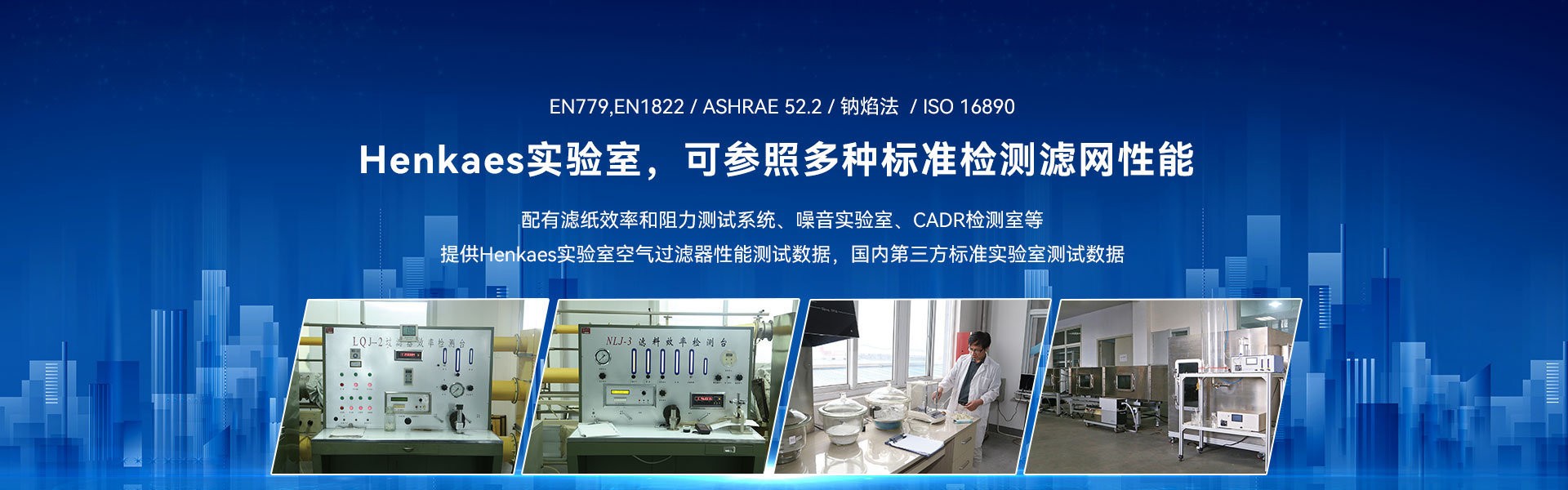




Today, our technical engineer, Mr. Zhu from Hengjia, shared: How much heat resistance does the filter material of a common household high-efficiency air purifier have? Our company's quality standard has some specifications for the weather resistance of filters, and we have conducted multiple 48-hour high and low temperature alternating tests (at 65°C). The test data from Hengjia's laboratory shows that the resistance and efficiency of the HEPA filter material remain unchanged. When the filter paper is folded and cut, and it comes to the filter mesh encapsulation stage, the heat-melt adhesive used typically has a softening point greater than 90°C. However, in actual application, temperatures above 65°C can affect the sealability and bond strength: Therefore, it is not recommended to use the overall air filter mesh at temperatures above 65°C.
Will there be any effects on air filter mesh after absorbing moisture in a humid environment?
Standard meltblown (PP+PET) materials can block some pores when soaked in water, affecting the lifespan of the filter mesh. It is recommended not to use them in high-humidity areas. Filter materials like carbon fabric, activated carbon corrugated sheets, primarily made of coconut shell carbon, may exhibit unusual flavors such as acidity. Regarding the performance of carbon materials, theoretically, carbon molecules absorb moisture, causing the purification gap to shrink and impacting the removal efficiency of gaseous pollutants. However, the actual usage scenarios can vary greatly, and it's not advisable to dismiss them outright. Naturally, we can try to find ways to avoid high-humidity environments.
In summary, we would state that the general usage temperature for filter media containing meltblown (PP+PET) material is ≤65°C, humidity ≤80%.
