


Volatile Organic Compounds (VOC) Emissions Source - In various industries such as plastic and rubber processing, paint production, automotive painting, and coating manufacturing, the production and processing of industrial products generate a substantial amount of waste gases containing volatile organic compounds.
These untreated exhaust gases released into the atmosphere can, under certain conditions, lead to photochemical pollution, affecting air quality and the growth of plants and animals, as well as human health. Certain toxic VOC exhaust gases have the potential to cause disabilities, deformities, and cancer.
Serious harm is caused to humans who are exposed to it for a long time. Consequently, various countries have enacted corresponding laws to restrict the emissions of such gases. In China, the "Comprehensive Emission Standard for Air Pollution" was promulgated and implemented in 1997 to address this issue.
We have set emission limits for 33 pollutants, including volatile organic compounds such as benzene, xylene, and ethylbenzene.
Volatile Organic Compounds (VOC) emissions treatment offers various techniques. However, for low-concentration VOC emissions with high air volume, traditional processes are characterized by high investment and operating costs, low treatment efficiency, and post-treatment issues.
Challenges such as secondary pollution. The current bio-treatment technology for waste gas, as a new type of air pollution control technology, is gaining increasingly widespread application. Compared to traditional methods like combustion, catalytic oxidation, absorption, and adsorption techniques, this technology...
The treatment of low-VOC content exhaust gas has distinct advantages. Below, several commonly used VOC exhaust gas treatment technologies will be introduced:
1. Volatile Organic Compounds (VOC) Emission -- Adsorption Method Treatment
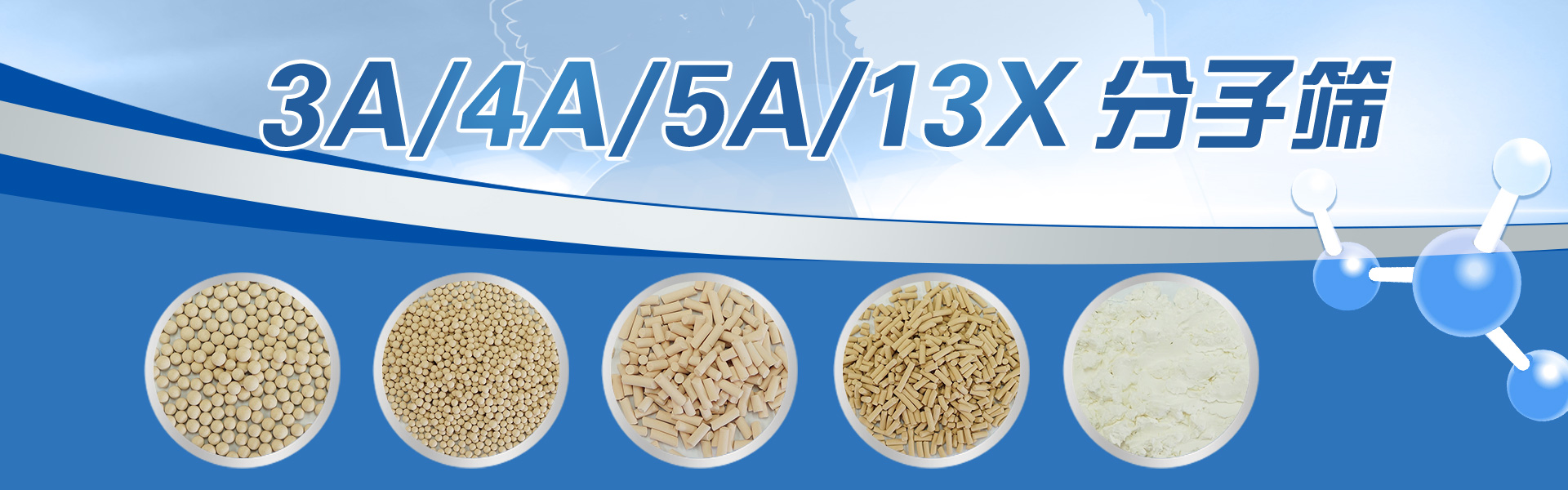
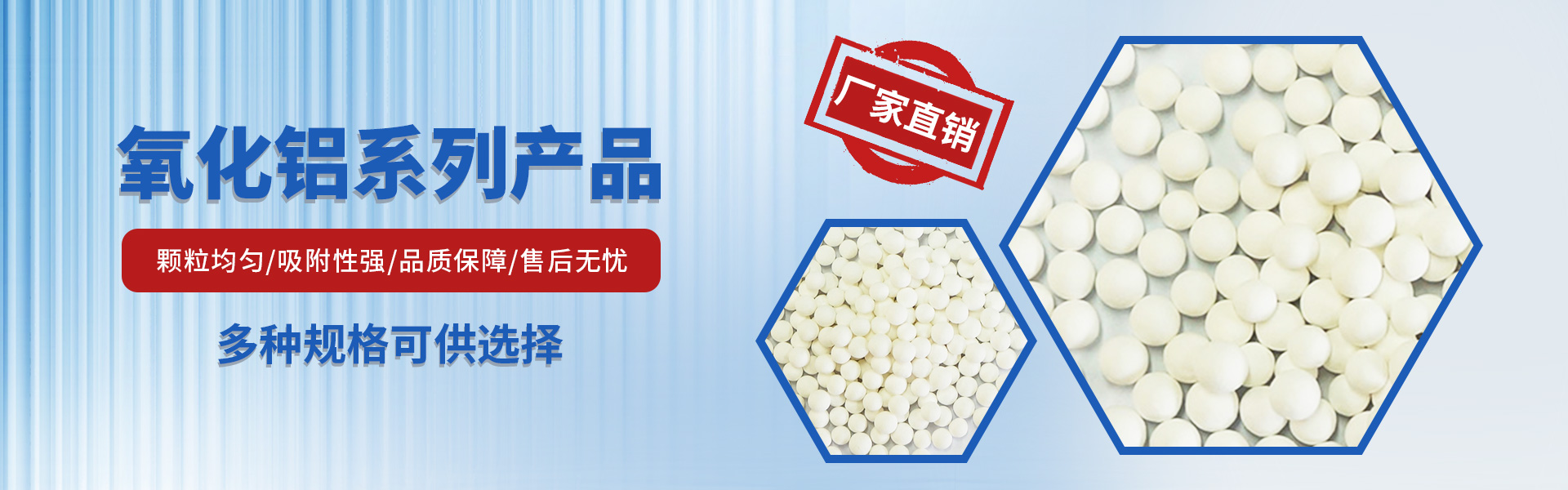
The Principle of Adsorption Method for Treating Volatile Organic Compound (VOC) Emissions: The adsorption method utilizes certain adsorbent materials, such as activated carbon, silica gel, molecular sieve, and active alumina, which are porous materials, to absorb harmful components and thereby eliminate them.
The Purpose of Pollution. Microporous and mesoporous materials have been widely used in adsorption processes. However, some common drawbacks of porous materials encountered in practice, such as low adsorption capacity, flammability,
And there are other issues related to recycling. Therefore, people have been focusing on the adsorption capacity, rapid reaction kinetics, and high reversibility of novel porous materials. The advantages of the adsorption method lie in its high removal efficiency, low energy consumption, mature technology, and ease of desorption after adsorption.
Solvent is recyclable. The drawbacks include the large scale of equipment, complex process, high operational costs post-investment, and the potential for secondary pollution. Adsorbents are prone to becoming poisoned when there are particle substances or other impurities in the waste gas.
The adsorption method's adsorption efficiency primarily depends on the properties of the adsorbent, the types of gaseous pollutants, and the process conditions of the adsorption system (such as operating temperature and humidity factors), thus the key issue of the adsorption method lies in the selection of the adsorbent. Adsorbent
The adsorbent should possess a dense pore structure with a large internal surface area, excellent adsorption properties, stable chemical characteristics, resistance to acids and alkalis, water resistance, and high-temperature and high-pressure resistance. It should be difficult to break and have low air resistance. Commonly used adsorbents include activated carbon (both granular and fibrous).
Active alumina, silica gel, artificial zeolite, etc.
The integration technology of adsorption methods with other purification techniques for treating organic waste gases in various industries has been widely promoted and applied domestically.
The company has adopted a combined treatment process for high-concentration recyclable benyixi waste gases using liquid adsorption and activated carbon adsorption methods; and for acetone waste gases, a combination of adsorption and catalytic combustion methods. The integration of adsorption with other purification techniques not only avoids the individual shortcomings of each method but also...
And features high adsorption efficiency and no secondary pollution.
2. Volatile Organic Compounds (VOC) Waste Gas -- Treatment with Solvent Absorption Method
The Principle of Solvent Absorption Method for Treating Volatile VOC Waste Gases: The solvent absorption method utilizes a liquid solvent as an absorbent to absorb harmful components from waste gases, achieving purification. The absorption process is based on the principle of "like dissolves like" for organic substances.
Our company commonly uses diesel and kerosene, with high boiling points and low vapor pressures, as solvents to transfer VOCs from the gaseous phase to the liquid phase. Subsequently, the absorbed liquid is desorbed to recover the VOCs, while also regenerating the solvent. This method not only eliminates gaseous pollutants,
The system can also recover some useful substances for treating VOCs with gas flow rates of 3,000 to 15,000 m³/h and concentrations of 0.05% to 0.5% (by volume), achieving removal rates of 95% to 98%.
The method's advantages lie in its effectiveness and low cost for handling large volumes of organic waste gases at normal temperatures and low concentrations, as well as its ability to convert pollutants into useful products. However, there are still shortcomings with the solvent absorption method, including high investment for post-treatment of the absorbent and its high selectivity for organic components.
Secondary contamination is prone to occur. Therefore, when dealing with VOCs, it is necessary to use a variety of different solvents for absorption, which significantly increases the cost and technical complexity.
