


I. Molecular Sieve Concept
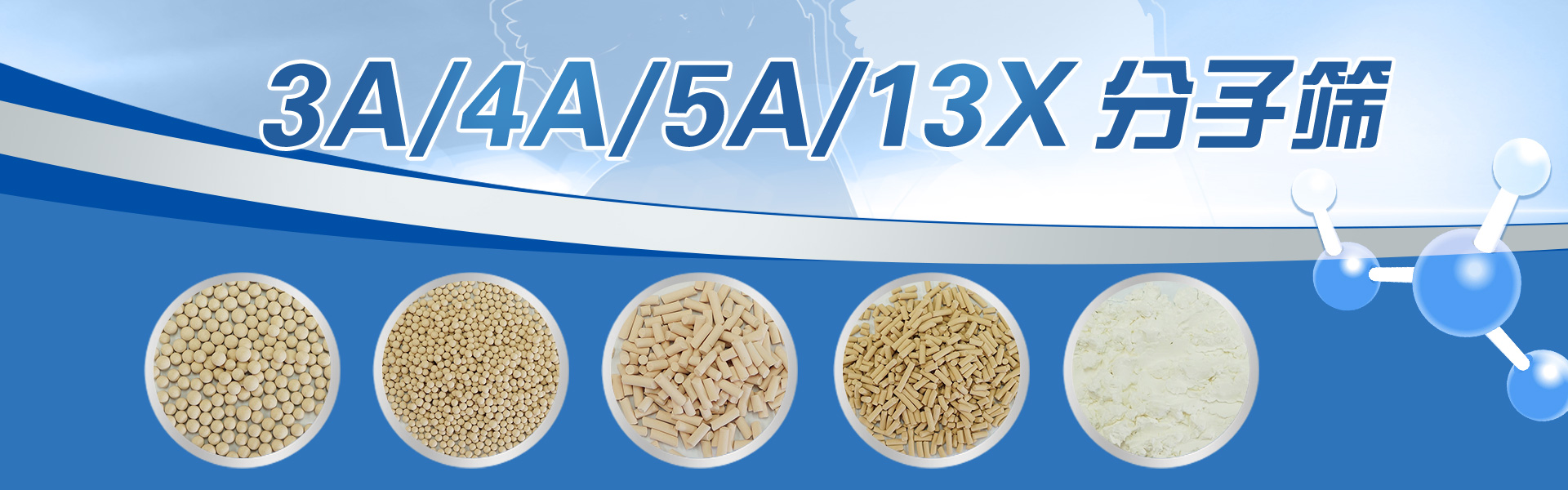
Molecular sieve is a silicon-alumina mesoporous crystalline material, characterized by uniform pore size, high specific surface area, good thermal stability, strong adsorption capacity, large internal surface area, and high strength. Due to their varied applications, molecular sieves are categorized into several types, including 3A, 4A, 5A, 13X, specialized air separation molecular sieves, insulating glass molecular sieves, molecular sieve activated powder, and carbon molecular sieve.
Advantages of Molecular Sieves
Selective adsorption based on the size and shape of molecules,吸附 only those molecules smaller than the pore diameter of the molecular sieve. For small molecules with good polarity and unsaturation, there is a selective adsorption energy; the higher the polarity and the greater the unsaturation, the stronger the selective adsorption. It has a strong hygroscopic property. Even at higher temperatures, larger space velocities, and lower water content, it still maintains a relatively high water adsorption capacity.
II. Interpretation of Insulated Glass:
In the market, some hollow glass products use desiccants other than 3A molecular sieve, with some manufacturers opting for 4A molecular sieve or even B-grade desiccants as the drying agent in hollow glass. This can reduce the lifespan of the hollow glass.
4A molecular sieve, while highly effective in adsorbing moisture, also possesses strong adsorption capabilities for nitrogen and other inert gases in the air. It吸附and releases gases in the insulating glass as temperatures rise and fall, making the glass prone to warping and fracturing due to expansion and contraction with changes in diurnal temperature variations or seasonal shifts, which can lead to safety hazards. Therefore, it is strictly prohibited to use any molecular sieve other than 3A molecular sieve as a desiccant in the production of insulating glass.
