
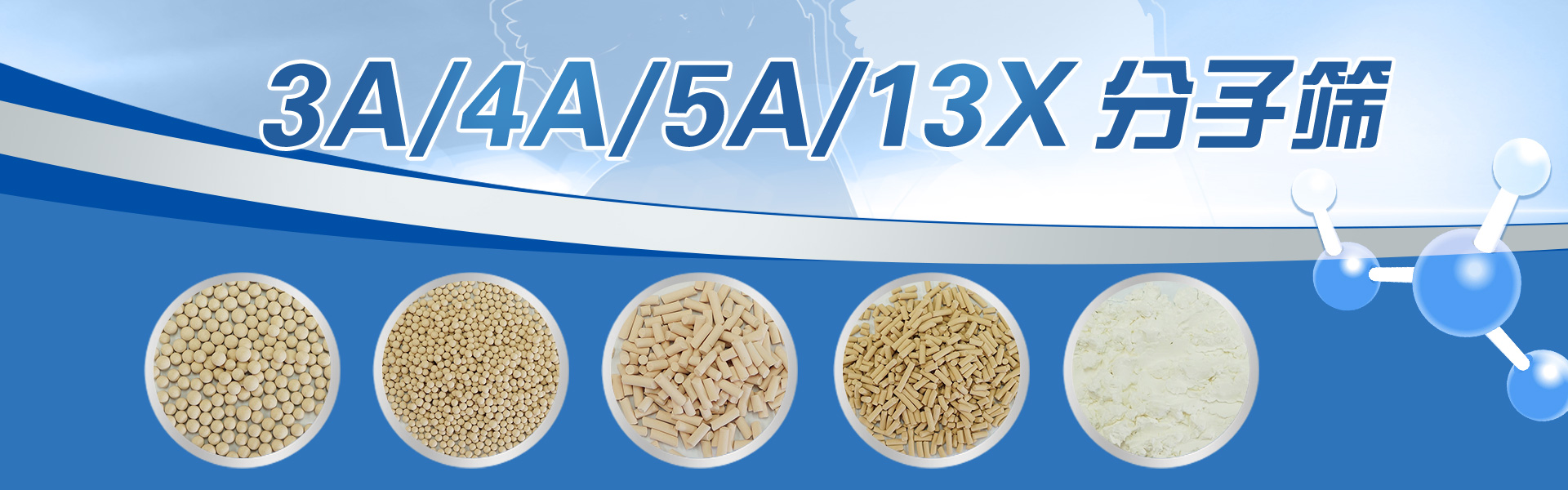


Molecular sieve activation powder has a wide range of applications in the adhesive industry. Specifically, it plays a crucial role in industries such as polyurethane, adhesives, and coatings.
Firstly, when there is a trace amount of moisture or acidic substances in the polyurethane system, they react with isocyanates to produce CO2, causing the product to form bubbles.
To address this issue, molecular sieve activated powder with dispersibility and rapid adsorption capability can be added to the polyurethane system, thereby affecting the bonding strength.
This activated powder effectively removes trace moisture and other small molecular impurities from materials, thereby preventing the formation of bubbles.
Secondly, molecular sieve activation powder plays a crucial role in adjusting the curing time of two-component polyurethane adhesive. It can extend the curing time,
To provide sufficient allowance for construction operations. Additionally, due to the excellent dispersibility of the molecular sieve activation powder, it can be mixed with existing polyether and isocyanate compounds.
Polyols offer excellent compatibility, allowing the adhesive to avoid clogging during spray gun operations, ensuring even dispensing and continuous flow.
Moreover, molecular sieve activation powder can also be applied in zinc-rich or tin-rich metal coatings systems. In these systems, reactive metals react with water to produce H2.
Molecular sieve can reduce the water content to below 0.1%, thereby controlling the release of H2 and ensuring the stability of the paint during storage.
Overall, the application of molecular sieve activation powder in the adhesive industry primarily lies in the removal of trace moisture and other small molecular impurities, as well as the adjustment of curing time.
Enhancing adhesive uniformity, controlling H2 emissions, and ensuring coating stability. These applications contribute to improving adhesive performance and stability, thereby meeting the needs of various industries.
