


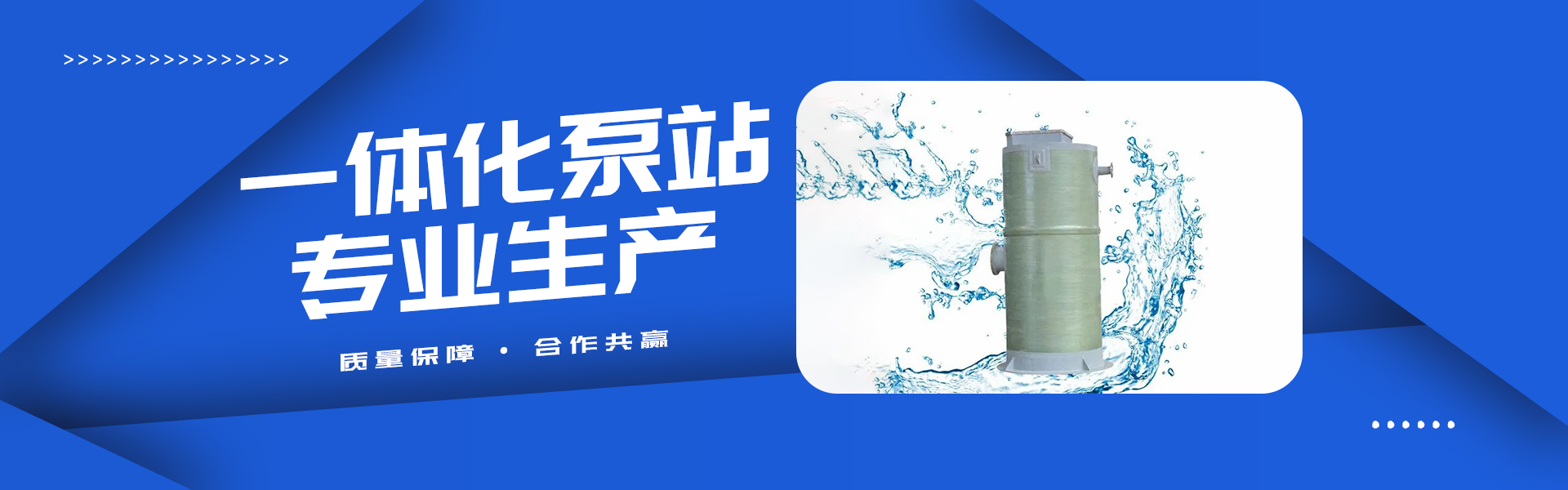

As urbanization accelerates, the issue of rural water environmental pollution has become increasingly prominent, affecting the quality of life for farmers and the sustainable development of rural areas. To address this, China has vigorously promoted integrated rural wastewater treatment facilities in recent years.
I. Overview of New Village Sewage Treatment Integrated Device
The New Rural Integrated Wastewater Treatment System is a novel wastewater treatment technology that integrates wastewater treatment, ecological restoration, and resource utilization. The system employs advanced biological treatment technology, combined with ecological restoration and resource utilization techniques, to effectively treat and recycle rural wastewater.
Characteristics of the New Rural Integrated Wastewater Treatment Equipment
Efficiency: This unit utilizes advanced biological treatment technology to effectively remove organic matter, nitrogen, and phosphorus pollutants from wastewater, meeting national discharge standards.
2. Eco-friendliness: The device integrates ecological restoration technology, achieving ecological purification of wastewater through the recovery and reconstruction of natural ecosystems such as wetland plants and microorganisms.
3. Resource Utilization: The facility recycles treated wastewater for applications such as agricultural irrigation and aquaculture, thereby achieving resourceful utilization of wastewater.
4. Easy to Manage: The device incorporates an automated control system, enabling remote monitoring and management for convenient operation and maintenance.
Section 3: Application of New Rural Town Sewage Treatment Integrated Unit
Rural Domestic Wastewater Treatment: This device is suitable for treating rural domestic wastewater, effectively removing pollutants such as organic matter, nitrogen, and phosphorus, improving water quality, and ensuring the safety of farmers' domestic water use.
2. Agricultural Production Water Treatment: This facility recycles treated wastewater for agricultural uses such as irrigation and aquaculture, enhancing water resource efficiency and promoting sustainable agricultural development.
3. Eco-Environmental Restoration: The device integrates eco-restoration technology, capable of restoring and reconstructing natural ecosystems such as wetland plants and microorganisms, thereby improving rural ecological environments.
The promotion significance of the new rural integrated wastewater treatment facility
Enhancing Farmers' Quality of Life: This device effectively removes pollutants from rural wastewater, improves water quality, ensures the safety of farmers' drinking water, and raises the overall quality of life for farmers.
2. Boosting Rural Sustainability: This device enables the resourceful utilization of wastewater, enhancing water resource efficiency, and promoting sustainable development in rural areas.
3. Enhancing Rural Ecosystem: This device integrates ecological restoration technology, capable of restoring and reconstructing natural ecosystems such as wetland plants and microorganisms, thereby improving the rural ecological environment.
4. Driving Environmental Protection Industry Development: This facility, as a new wastewater treatment technology, is propelling the growth of the environmental protection industry, enhancing its technical level and competitiveness.
V. Conclusion
The New Rural Integrated Wastewater Treatment System is a new wastewater treatment technology that combines wastewater treatment, ecological restoration, and resource utilization. It features high efficiency, ecological friendliness, resource utilization, and ease of management. The application of this system can effectively address the issue of rural water environmental pollution, improve the quality of life for farmers, promote rural sustainable development, enhance the rural ecological environment, and drive the development of the environmental protection industry. Therefore, it is essential to vigorously promote the New Rural Integrated Wastewater Treatment System to contribute to the protection of rural water environments and sustainable development in our country.
