



 通过中商114认证

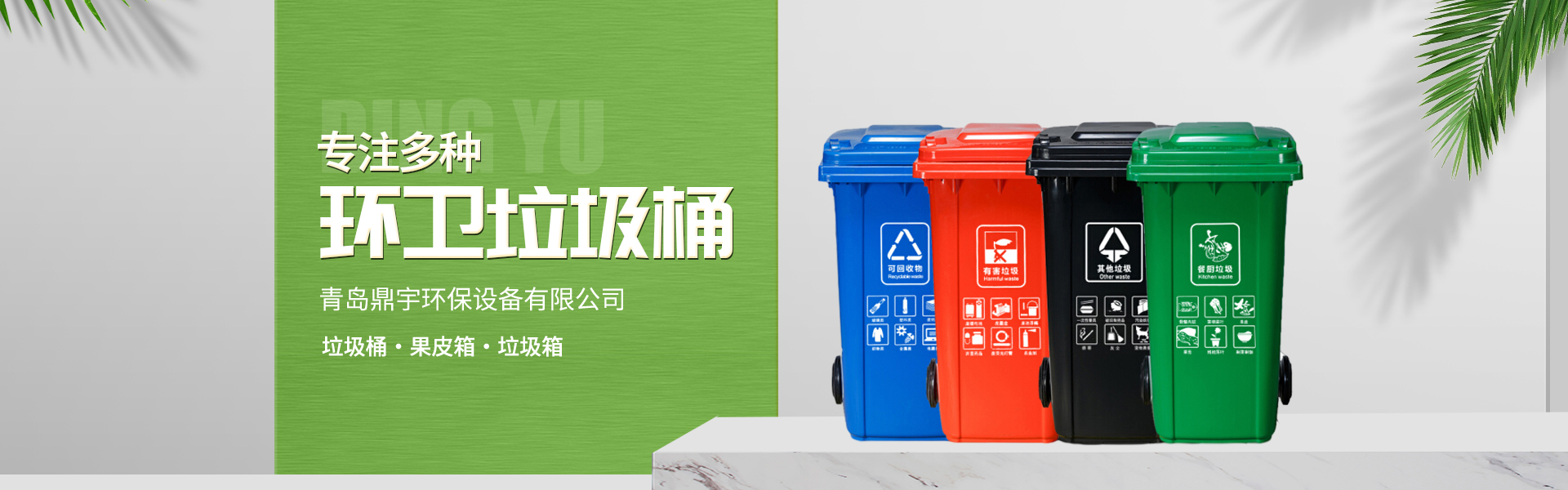
Currently, household waste in China is generally divided into four categories: recyclables, kitchen waste, hazardous waste, and other waste.
Recyclable Materials
Definition:
Recyclables, or recovered resources, are items that can be reprocessed into raw materials or reutilized after sorting. This category includes waste paper, plastics, glass, metals, electronic waste, textiles, and more.
Primary Categories:
Newspapers, cardboard boxes, books, magazines, various notebooks, other clean paper, various Tetra Pak milk bags, and beverage containers (must be washed and dried).
Plastics - Various plastic beverage bottles, plastic oil drums, plastic basins (boxes).
Glassware – Glass Bottles, Flat Glass, Mirrors.
Metal products – Aluminum cans, various metal kitchenware, tableware, utensils, and other household metal items.
Electronic Waste Category - Various Household Appliances.
Textiles - Tablecloths, clothing, backpacks, etc.
Kitchen Waste
Definition:
Waste from kitchen, in a narrow sense, is a type of organic waste, which is divided into cooked kitchen waste (leftovers, rice, vegetable leaves) and raw kitchen waste (fruit peels, eggshells, tea residue, bones, shells). In a broader sense, kitchen waste refers to the raw materials and finished products (cooked food) or residues required for household dietary needs, as well as used chopsticks and food packaging materials.
3. Hazardous Waste
Definition:
Hazardous waste refers to waste containing harmful heavy metals, toxic substances, or waste that poses or has the potential to cause actual or potential harm to the environment.
Primarily includes:
Disposal of insecticides, disinfectants, paints, solvents, mineral oils, film, photographic paper, fluorescent light tubes, thermometers, blood pressure monitors, rechargeable batteries, button cells, alkaline batteries, lithium batteries, nickel-cadmium batteries, etc.
4. Miscellaneous Waste
Definition:
Waste that is difficult to recycle, excluding the aforementioned categories, is typically disposed of through incineration or landfilling based on the waste characteristics.
Mainly includes:
Used toilet paper, carbon paper, fax paper, photographs, centrifugal paper, wax paper, transfer paper, plastic glossy waste paper, feminine hygiene products, baby diapers, napkins, cigarette butts, ceramic products, clothing, footwear, asbestos shingles, whiteboards, wooden toys, rain boots, wooden furniture, rubber products, tires, etc.
