




 通过中商114认证

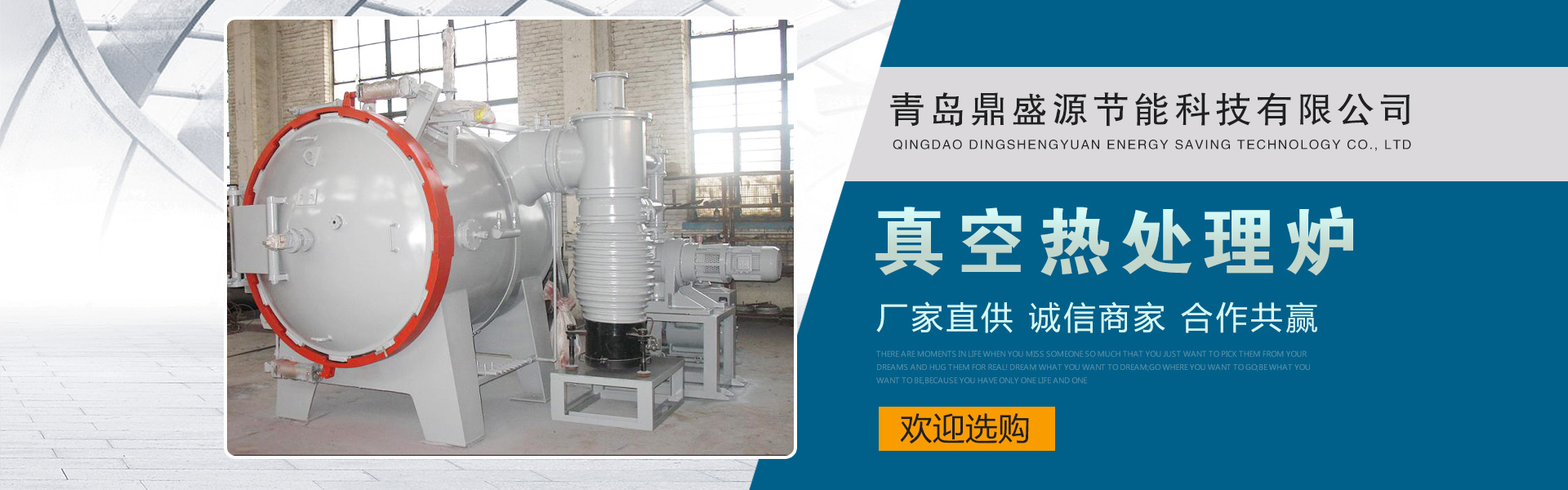
Vacuum heat treatment is a comprehensive technology that combines vacuum technology with heat treatment, referring to the entire or partial process of heat treatment being conducted under vacuum conditions. In our country, vacuum is categorized into low, medium, high, and ultra-high vacuum. Currently, most vacuum heat treatment furnaces operate at a working vacuum level of 1.33 to 1.33×10⁻³ Pa.
Vacuum heat treatment can almost perform all heat treatment processes, such as quenching, annealing, tempering, carburizing, and nitriding. In the quenching process, it can achieve gas quenching, oil quenching, salt bath quenching, and water quenching, among others. It also allows for vacuum brazing, sintering, and surface treatment. Vacuum heat treatment furnaces are highly efficient, enabling rapid heating and cooling. They can achieve oxidation-free, decarburization-free, and nitriding-free processes, remove surface phosphide scale, and perform degreasing and degassing, resulting in a bright and clean surface. Generally, the treated workpieces are heated slowly in the furnace, with minimal internal temperature differences and low thermal stress, leading to minimal deformation and high product pass rates. It can reduce costs, remove gases, and improve the mechanical properties and service life of the workpiece. The working environment is favorable, with no pollution or hazards. The treated workpieces are free from hydrogen embrittlement risks, and the vacuum furnace heat treatment process is stable and reproducible, protecting titanium and refractory metal shells from surface hydrogen embrittlement. These advantages have led to increased emphasis on the development of vacuum heat treatment equipment and processes, which are now widely applied.
