


 通过中商114认证

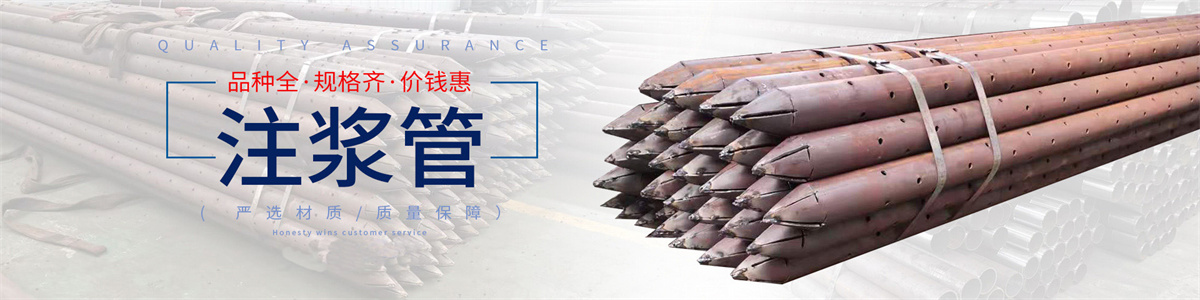
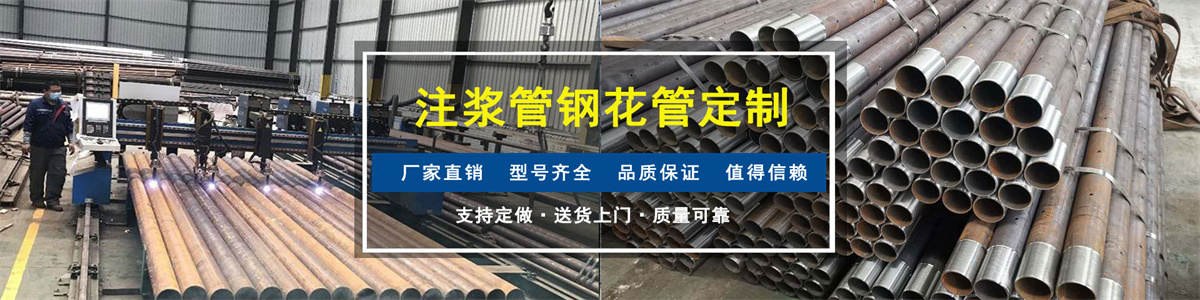
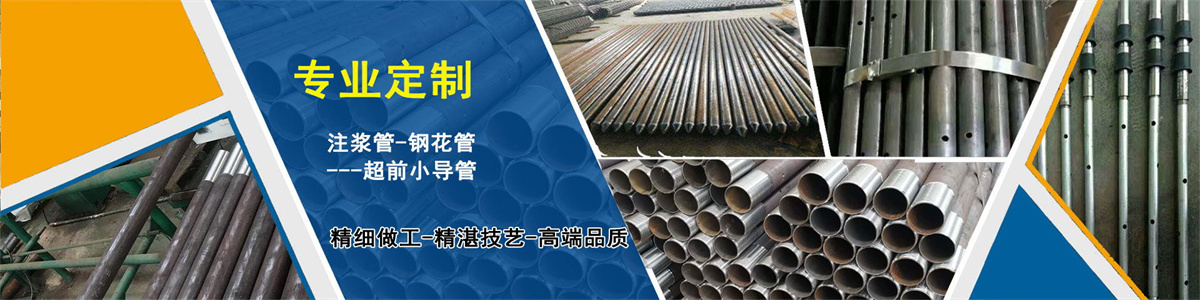
Establishing a finite element model for the low-frequency longitudinal guided wave modal detection of grouting steel pipes requires determining the following four types of parameters: material parameters, geometric parameters, time parameters, and element parameters. The simulation study selected a common specification of grouting steel pipe used in engineering, with the same radial dimensions and material parameters as shown in Figure 1, with a pipe length of l = 1.8 meters. For the grouting holes, the spacing between adjacent holes in the same axial direction is 150mm. The time and element parameters in the numerical simulation are selected according to the standards shown in Table 1. The establishment of the grouting steel pipe geometric model involves creating a geometric model based on the geometric parameters. Using the Boolean operation tools provided by ANSYS, an actual cylinder is generated along the radial direction at specific positions along the axis of the grouting steel pipe, resulting in the subtraction of surfaces and volumes to establish the characteristics of the holes on the pipe body. On a 1.8-meter-long steel pipe, up to 46 holes can be generated.
The diameter of the grouting holes on the grouting steel pipe body is 10mm. Based on the determination principle of the finite element model parameter unit length LE, and considering the size of the holes on the grouting steel pipe body, the minimum unit size for mesh division during grid generation is ultimately determined to be 2mm. Due to the irregular geometric shape of the grouting steel pipe, a free mesh division method is chosen, controlling the maximum unit size is sufficient.
Upon entry, first inspect the steel qualification certificate and warranty, verify the specifications and models of the reinforcing bars; conduct sampling for mechanical property tests as per regulations, and confirm product qualification before use. Steel should be neatly stacked by specification and batch, with product status identification tags properly hung, and must not be mixed.
Grouting steel pipes have a smaller spacing, with a larger interlocking range for cement-soil mixing piles. Issues with individual steel pipes or cement-soil piles have little overall impact on the support structure, indicating good reliability of the support system.
The grouting head is a device that connects the grouting steel pipe and the high-pressure grouting hose. Generally, a grouting team should be equipped with a certain number of grouting heads in various specifications, which are made from elbows of pipes with variable diameters. The grouting head should have a gate switch for use in operations like sealing the grout. Additionally, several meters of high-pressure grouting hoses with a rated pressure of 20MPa, a water jet head for cleaning holes, and a mixing pool, among other equipment, are required.
