

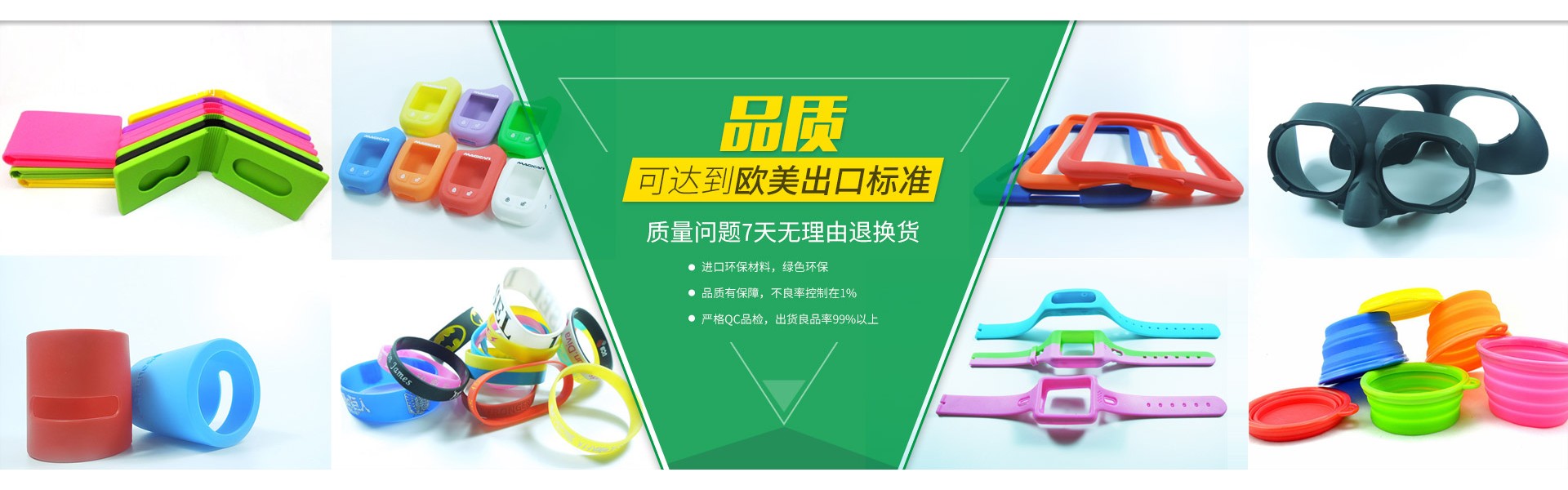

In any industry, there are drawbacks and defects in the production and processing technology of products, and the silicone products industry is no exception. Restrictions on the technology have left many buyers and engineers unable to solve issues, resulting in a frustrating "hit a dead end" situation. So today, let's inform you about...Silicone Products Custom ManufacturingWhat are the limitations and key issues?
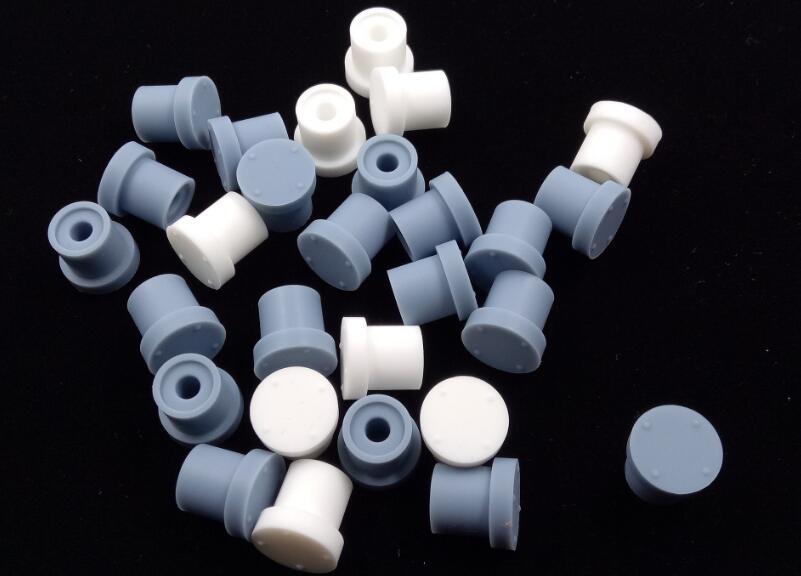
Firstly, regarding materials, to wantCustom Silicone ProductsPerformance must first recognize and understand its material characteristics. Silicone material characteristics are mainly considered from various aspects such as temperature resistance, tensile strength, aging resistance, environmental adaptability, etc. The main factor is the effect of the material chosen, such as conventional or food-grade, which is used in different environments.
Size constraints often necessitate customized, oversized or lengthy items for many consumers. For solid and liquid processing, the machine equipment is smaller, and currently, large sizes of around 1,000MM require a machine with approximately 500 tons. Therefore, if you need to produce oversized silicone products, it is advisable to examine the feasibility of the process. If it is a special product, special processing can also be arranged.
Hardness limitations are mainly used for the assembly of various equipment and for buffering and shock absorption purposes. Therefore, for products that have strict requirements for hardness, it is necessary to understand the hardness and softness properties of silicone materials, as well as which hardness is suitable for your product. Currently,Silicone ProductsStandard hardness ranges from 20 to 90, with each hardness grade having a tolerance of ±5 degrees. Therefore, it is important to differentiate between their differences and distinctions.
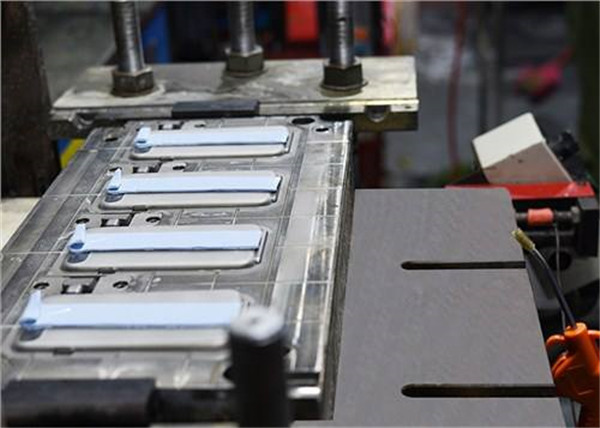
During the custom manufacturing process, the mold structure and the issue of demolding depend largely on the shape you design for this silicone product. Complex shapes with multiple inverted shapes and numerous small holes and pillars can lead to difficulties in demolding, resulting in breakage, cracking, uneven curing, and damage during demolding.
So, before the mold is opened, the engineering team needs to evaluate the mold ejection issues, although silicone...ProductSoftness can be subjected to strong extraction, but it's also important to consider whether the combination of strong extraction and the chosen hardness is reasonable. For instance, if a 90-degree high hardness is used for chamfering, it would be impossible to produce normally. Therefore, strong extraction also requires an assessment of the mold's chamfer and right-angle issues.
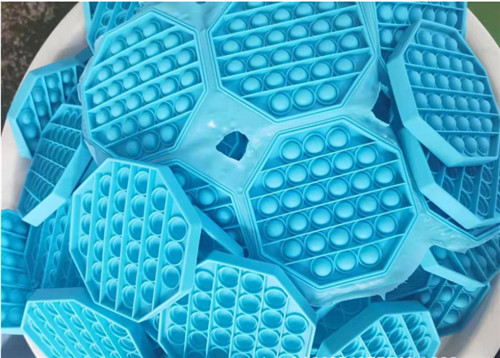
Aesthetically, many consumers focus on the appearance.Silicone ProductsOur company places great emphasis on the appearance of products, such as surface patterns and the choice of finishing techniques. Currently, most products achieve a matte finish through the application of glass sand spray on silicone molds. There are also options for electroplating to achieve a plated surface or mirror effect. Additionally, there's the option of sunken patterns, which vary the appearance of the product. It's advisable to make a decision based on the desired aesthetic effect. External processing can also include printing, transfer printing, and spraying, among other techniques, allowing for customization based on the product's aesthetic requirements!
Although silicone and plastic products are not the same, their processes and molds are quite similar. Although the materials differ, the processes are essentially the same. For many who are unfamiliar with silicone materials, if you need to customize silicone products, you first need to understand the processes and customization requirements, and determine if it is suitable for your product.

