


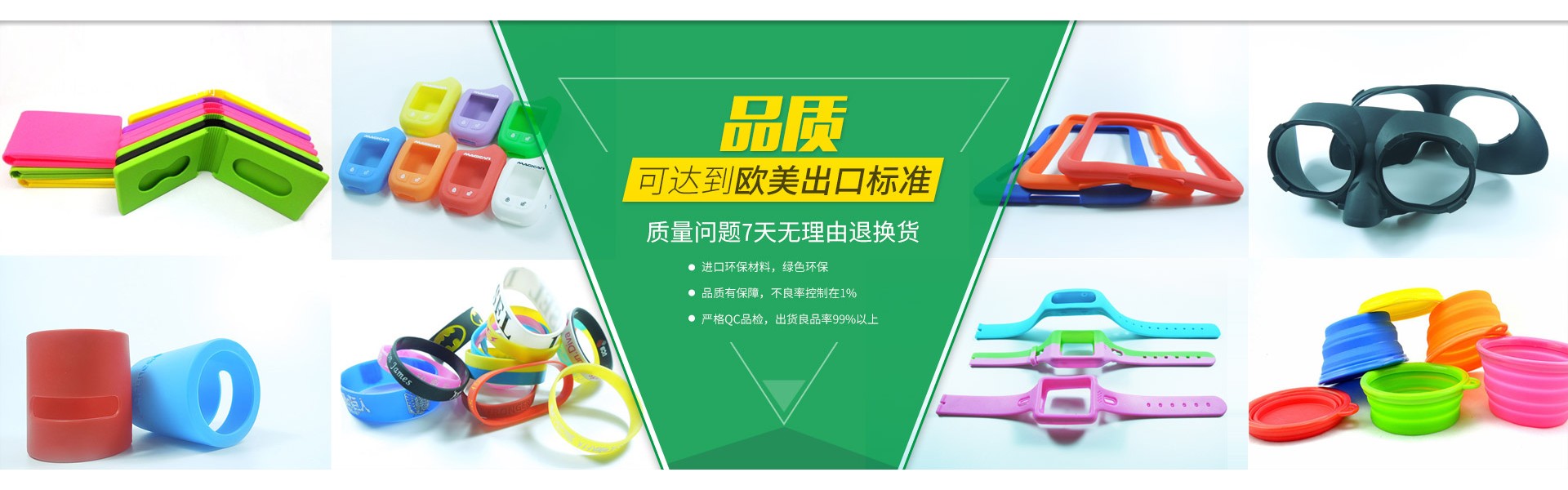

The lifespan and structure of molds used in the molding process of silicone products greatly influence the quality and sales volume of the entire product. Therefore, whether it's its design, demolding, or material selection, all are crucial stages. The choice of steel, of course, becomes a vital aspect of product usage. Failing to select the correct steel may lead to various issues during mass production, such as sand holes, self-tearing edges, mold deformation, and mold collapse phenomena.
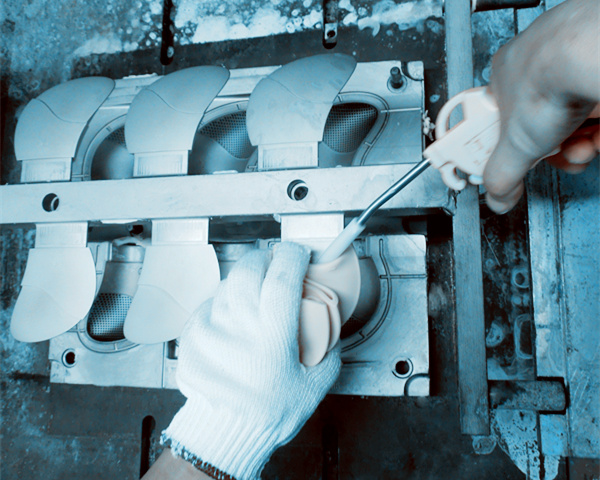
Therefore, we must consider which product to choose mold steel for, and this decision should be based on the quality, quantity, and structure of the product. The selection of mold materials is a crucial step in the entire mold-making process.
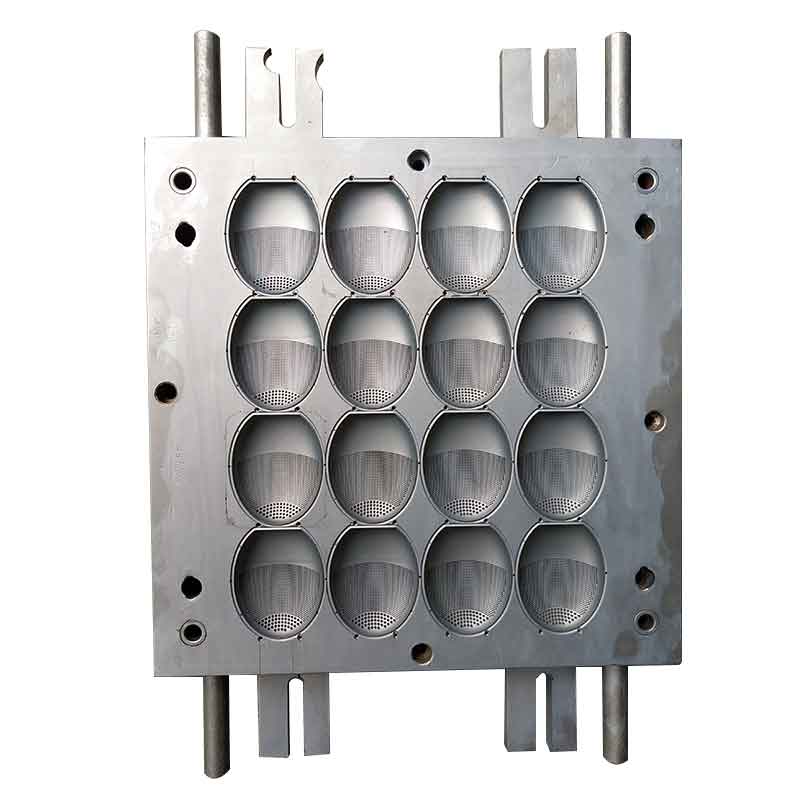
Mold material selection should be considered from two aspects:
One, molds meet the requirements of working conditions.
Firstly, the molds meet the working requirements of wear resistance and toughness.
1. Abrasion resistance
During the plastic deformation of billets in mold cavities, they flow and slide along the cavity surface, resulting in intense friction between the cavity surface and the billet. This friction can easily lead to the failure of the mold due to wear. Therefore, the wear resistance of the material is one of the fundamental and relatively important properties of molds.
Hardness is the primary factor affecting wear resistance. Generally speaking, the higher the hardness of die parts, the less wear, and thus the better the wear resistance.
2. Resilience
To prevent mold parts from suddenly fracturing during operation, molds must possess high strength and toughness. The toughness of the mold primarily depends on the carbon content of the material, grain size, and microstructure.
3. Fatigue Fracture Properties
During the molding process, fatigue fractures often occur under the long-term action of cyclic stresses. These can take the form of low-energy multiple-impact fatigue fractures, tensile fatigue fractures, contact fatigue fractures, and bending fatigue fractures. The fatigue fracture performance of molds primarily depends on their strength, toughness, hardness, and the content of inclusions within the material.
4. High-Temperature Performance
When the mold operates at high temperatures, it can lead to a decrease in hardness and strength, resulting in early wear or plastic deformation and failure. Therefore, the mold material should have high resistance to tempering to ensure that the mold maintains high hardness and strength at working temperatures.
5. Cold and heat fatigue resistance performance
Some molds are subjected to repeated heating and cooling during operation, causing the mold cavity surface to experience tensile and compressive stresses, leading to surface cracking and spalling, increased friction, and hindered plastic deformation, which in turn reduces dimensional accuracy and ultimately causes mold failure. Cold and hot fatigue is one of the main forms of mold failure, and such molds should possess high resistance to cold and hot fatigue.
6. Corrosion Resistance
Some molds, such as plastic molds, may release HCI when heated during operation due to the presence of elements like chlorine and fluorine in the plastic.HFStrongly erosive gases erode the mold cavity surface, increasing its roughness and exacerbating wear and failure.
The molds meet the process performance requirements.
The manufacturing of molds typically involves several processes, such as forging, cutting, and heat treatment. To ensure the quality of mold manufacturing and reduce production costs, the material should possess good ductility, machinability, hardenability, toughness, and grindability. It should also exhibit low sensitivity to oxidation and decarburization, as well as a tendency towards less distortion and cracking during quenching.
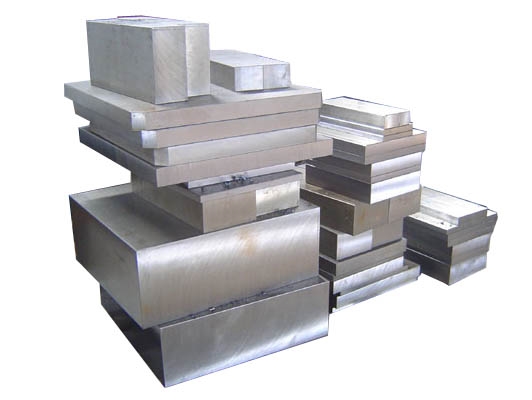
1. Ductility
Low hot forging deformation resistance, good plasticity, wide forging temperature range, low tendency for forging cracks, cold cracks, and network-like carbide precipitation.
2. Process Technology
Wide spheroidizing annealing temperature range, low annealing hardness with minimal fluctuation, and high spheroidizing rate.
3. Machinability
High cutting volume, low tool wear, and low surface roughness of the workpiece.
4. Oxidation and decarburization sensitivity
Excellent oxidation resistance during high-temperature heating, slow decarburization rate, insensitive to heating medium, and minimal tendency to produce pitting.
5. Hardening properties
After hardening, it exhibits uniform and high surface hardness.
6. Penetration hardenability
The quenching process results in a deeper hardened layer, and the hardening can be achieved with a milder quenching medium.
7. Quenching distortion and cracking tendency
The conventional quenching exhibits minimal volume change, slight warping and distortion, and a low tendency for abnormal deformation. The sensitivity to cracking during conventional quenching is low, and it is not sensitive to quenching temperature or workpiece shape.
8. Machinability
The abrasive wheel exhibits low relative wear, high maximum grinding volume without burnishing, and is insensitive to the quality of the abrasive wheel and cooling conditions, making it less prone to grinding injuries and cracks.
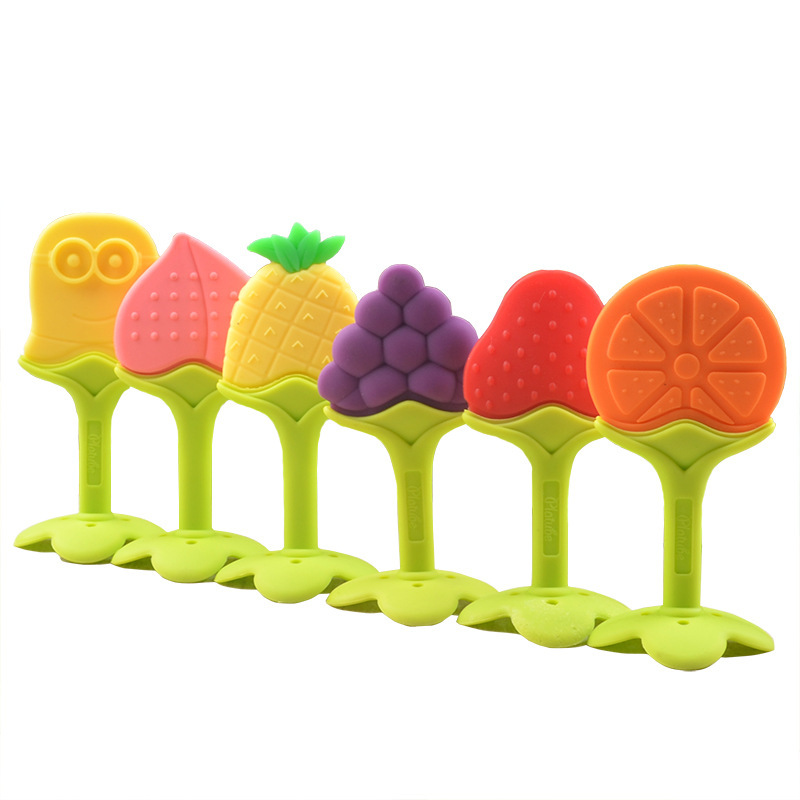
In the rubber and plastic injection molding industry, it is only through understanding the knowledge of mold material selection that we can fully exploit the advantages of molds, create better molds, and produce higher-quality silicone products.

