
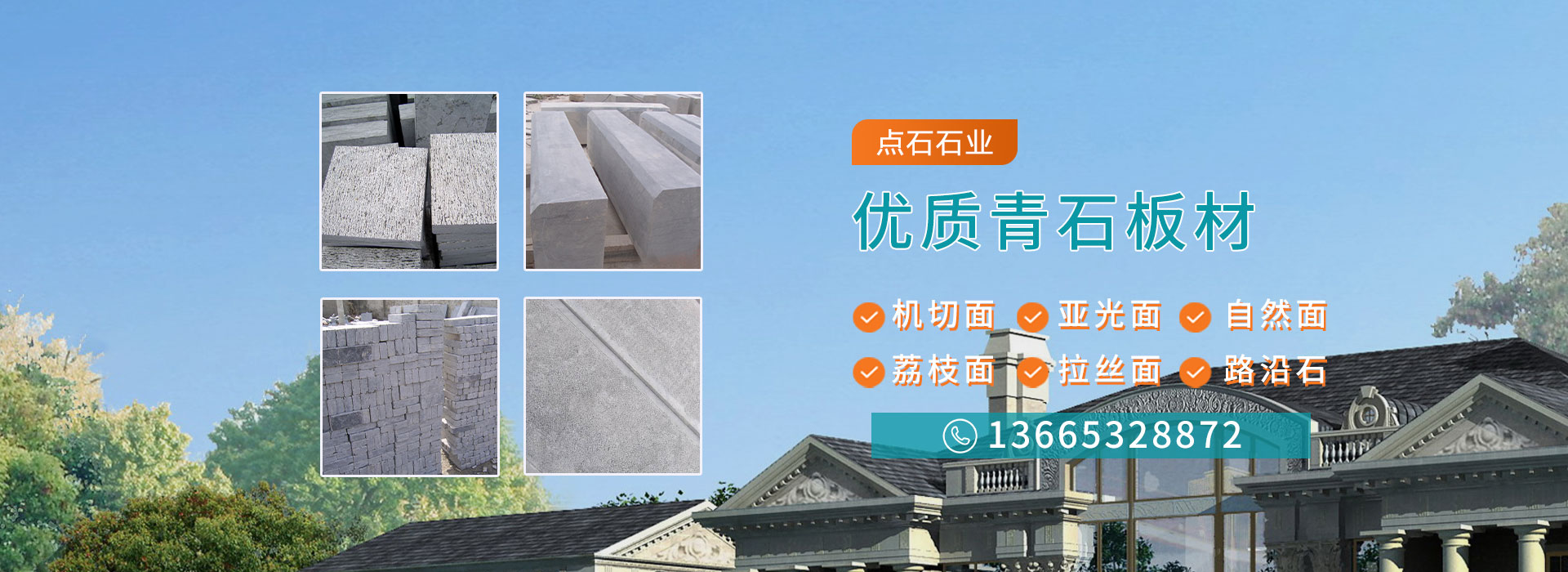
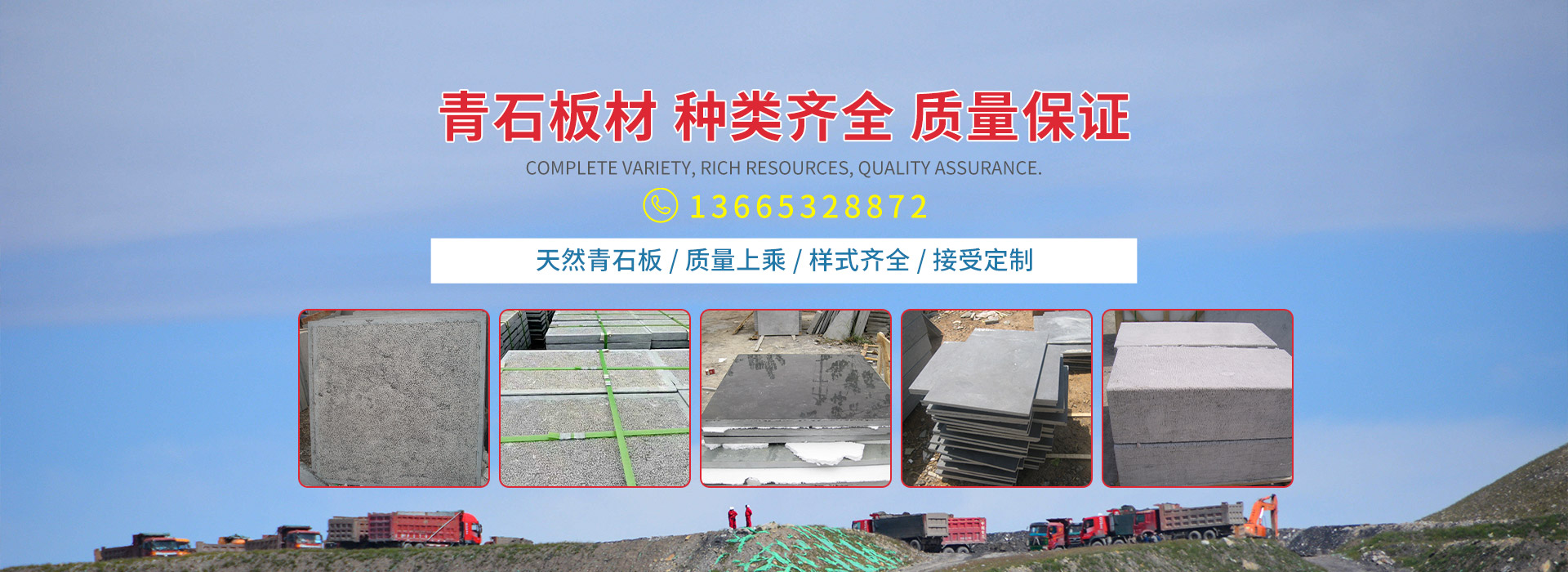
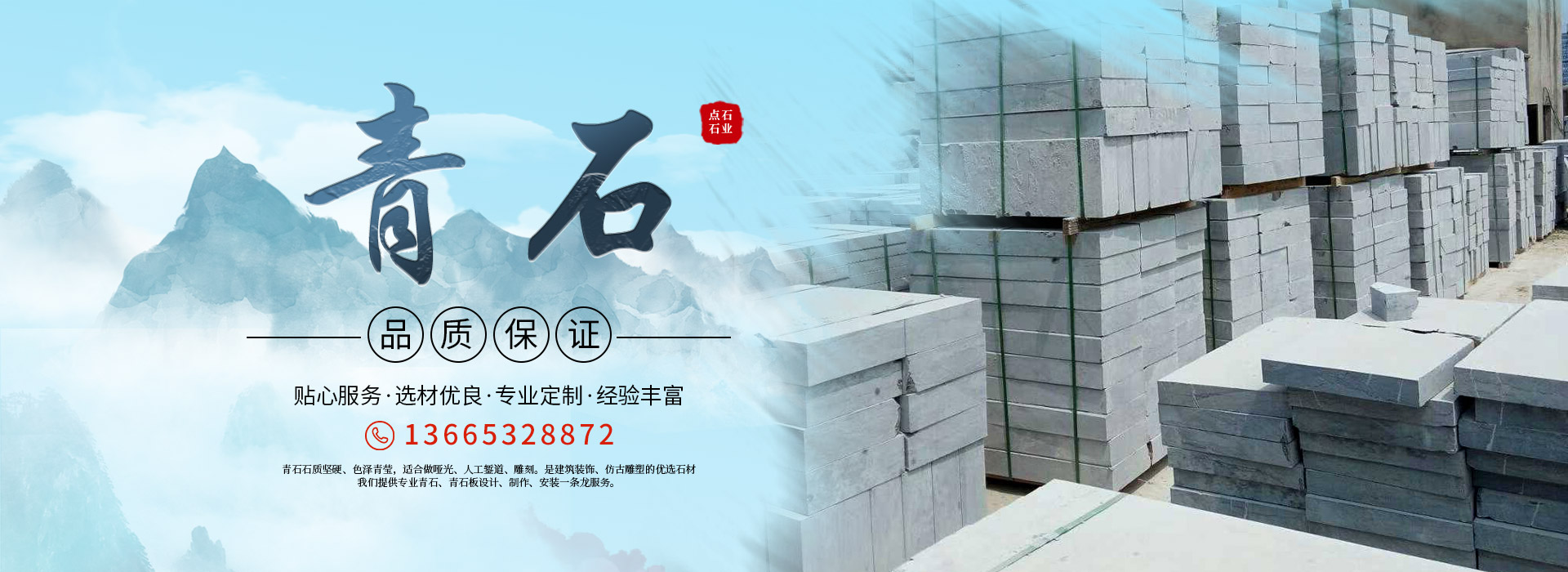

Quartzite tiles are ideal for splitting into thin slabs with a total area that is not too large and a single length that is not excessively long, which were previously commonly used for garden ground coverings and roof tiles. Due to their rustic and natural appeal, they are often used for partial wall decorations in interior design, where their return to simplicity is quite popular. Quartzite tiles are chosen for their natural splitting effect, with the surface typically not polished and not subject to stress. When selecting, as long as there are no through cracks, they can be used.

The solid bluestone material is easy to process due to its moderate strength, allowing for simple techniques to carve and cut it into thin slabs or strips, making it popular in architectural decoration. It is used for flooring, courtyard railings, steps, and building baseboards, featuring the design style of ancient architecture.
Common colors of bluestone tiles include soybean green, and various shades of grayish crystalline particles. The layout and processing techniques of bluestone tiles differ, leading to several types such as coarse-textured panels, fine-textured panels, and chiseled slabs. Additionally, they can be processed into polished plates according to architectural intentions. Bluestone tiles are a new type of professional decorative material, featuring natural, environmentally friendly, non-radioactive properties, excellent quality, durability, and affordability. Bluestone tiles possess a rich cultural heritage and offer high aesthetic and collectible value.
