

The machining accuracy of mechanical parts refers to the differences or errors between the geometric characteristics such as size, shape, and position, as well as surface quality parameters of the parts to be processed in mechanical engineering, and the design requirements. The so-called machining accuracy of mechanical parts is usually determined by errors generated by physical factors during the processing process. These errors that determine accuracy include several aspects:
1. Roundness: The error between the diameter and circumference of a circle during part machining.
2. Flatness: The tolerance between the flatness of the part surface and the design requirements.
3. Perpendicularity: The error between the surface of the part and the datum plane perpendicular to it.
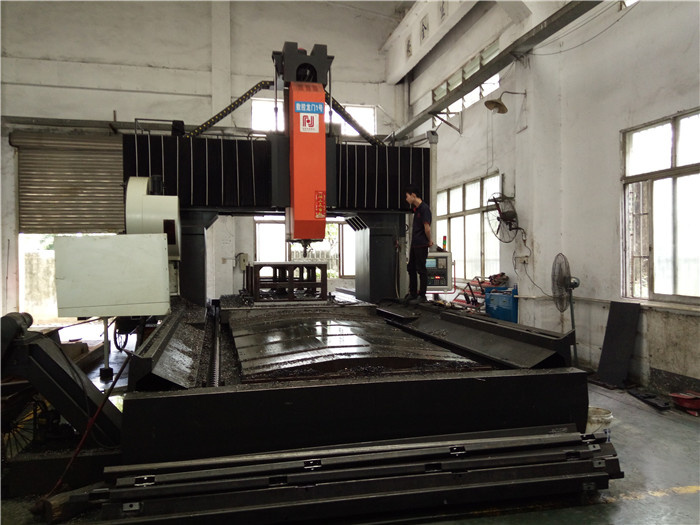
4. Positional accuracy: The positional error between points during parts processing.
5. Shape tolerance: The deviation between the shape and design requirements of the part processing.
6. Surface Roughness: The difference between the geometric shape and surface condition of the part and the design requirements.
7. Tolerance Control: For the design and manufacturing of mechanical parts, control is achieved by specifying tolerances in design drawings and process documents.
In summary, the primary errors in the precision of mechanical part processing include roundness, flatness, perpendicularity, position, shape, and surface roughness. Controlling these errors requires the continuous improvement of modern production processes and processing control technologies to achieve higher manufacturing precision and quality standards.
