
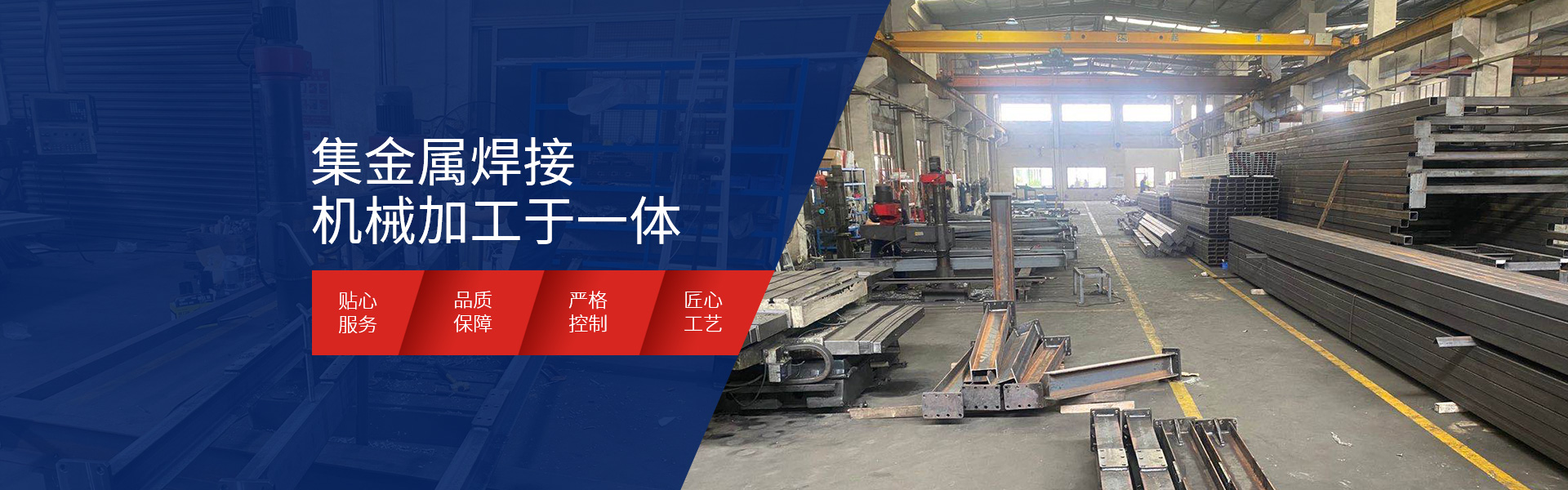
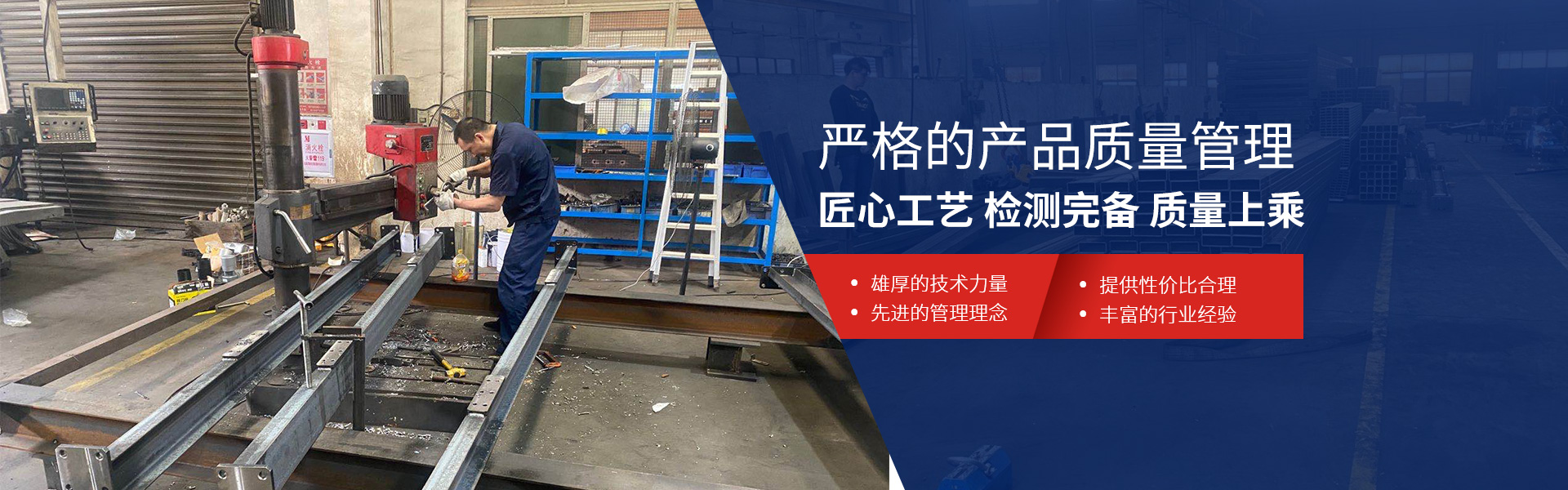
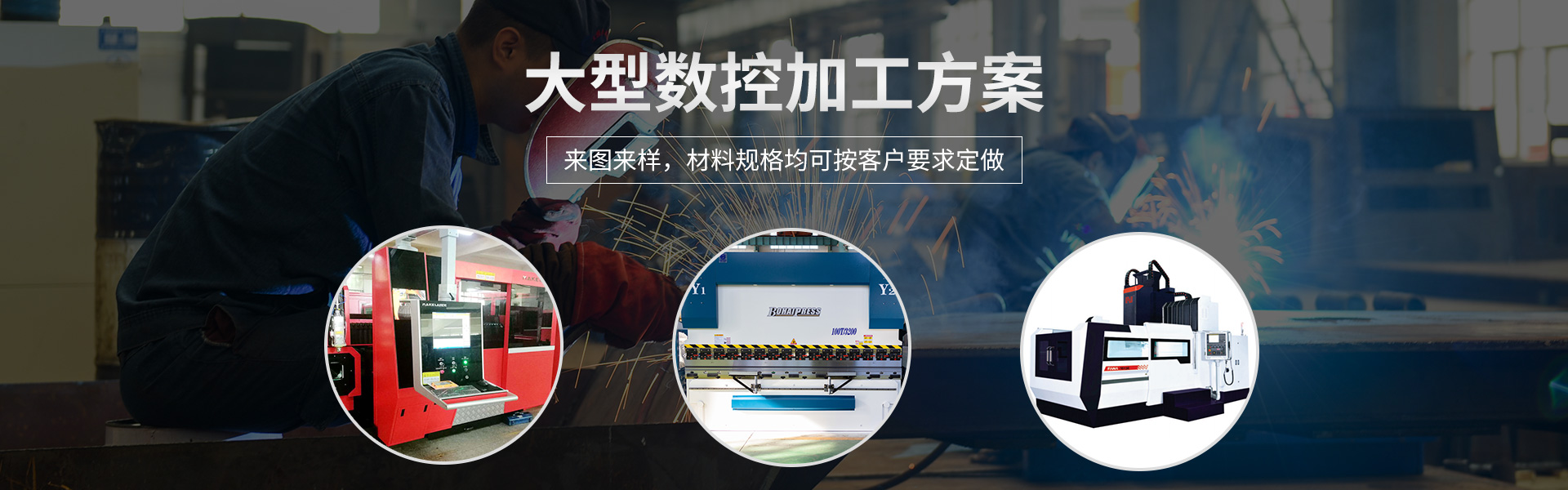

Large-scale welding processing refers to the technique of welding large metal structures and components, commonly used in fields such as construction, bridges, ships, and pressure vessels. Its advantages mainly include the following aspects:
High Production Efficiency: Large-scale welding processing allows for rapid and efficient production, with minimal staff required to complete large-scale production tasks due to automated operations.
High Welding Quality: Large-scale welding processing boasts superior process stability and controllability, ensuring a high level of welding quality. Additionally, large welding equipment features rapid, efficient, and uniform heating effects, reducing thermal residues and stress concentration.
Cost-effective: Large-scale welding processing can achieve automated production, resulting in relatively lower production costs and energy consumption during mass production, and has gradually become a process for large-scale structural manufacturing. Additionally, it can reduce the interference of human factors, thereby lowering maintenance costs and minimizing the likelihood of errors.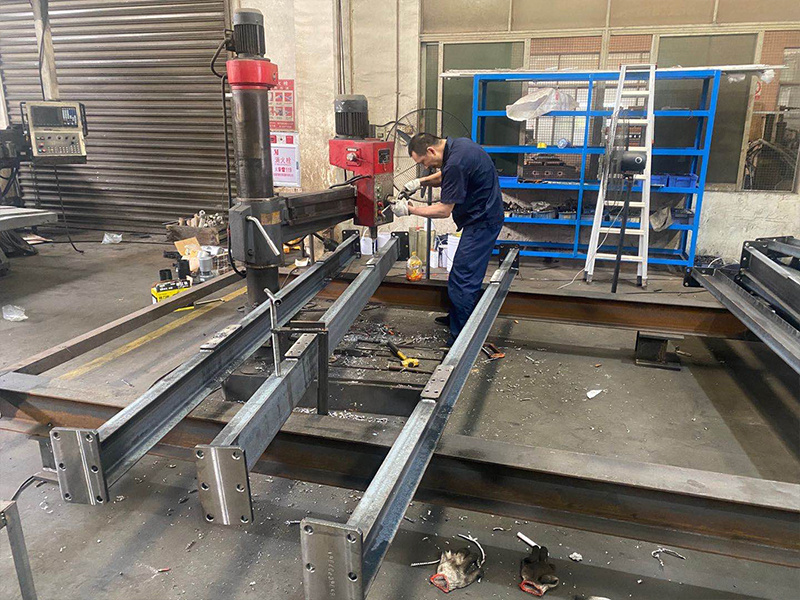
Operation Flexibility: Large-scale welding processing utilizes automated operations, eliminating the need for manual welding, thus offering great flexibility, such as performing spot welding at various angles and positions.
Wide Application Scope: Large-scale welding processing is suitable for various fields such as construction, shipbuilding, pressure vessels, and more, offering extensive applicability. While for small-scale welding techniques, some process parameters may not need extensive consideration, when dealing with large metal components, due to the sheer size and weight of the material, the process parameters must be taken into account with greater precision. Even a minor error in welding quality can affect the overall performance of the component. Here, large-scale welding processing perfectly fills this gap, ensuring the welding process is more accurate and stable.
