


- AllProduct Category
-
High-Speed Steel
High-Speed Steel
High-Speed Steel
Mold Steel
Spring Steel
High-quality Special Steel
Steel Plate
Steel Pipe
Carbon Steel
Bearings Steel






详情描述
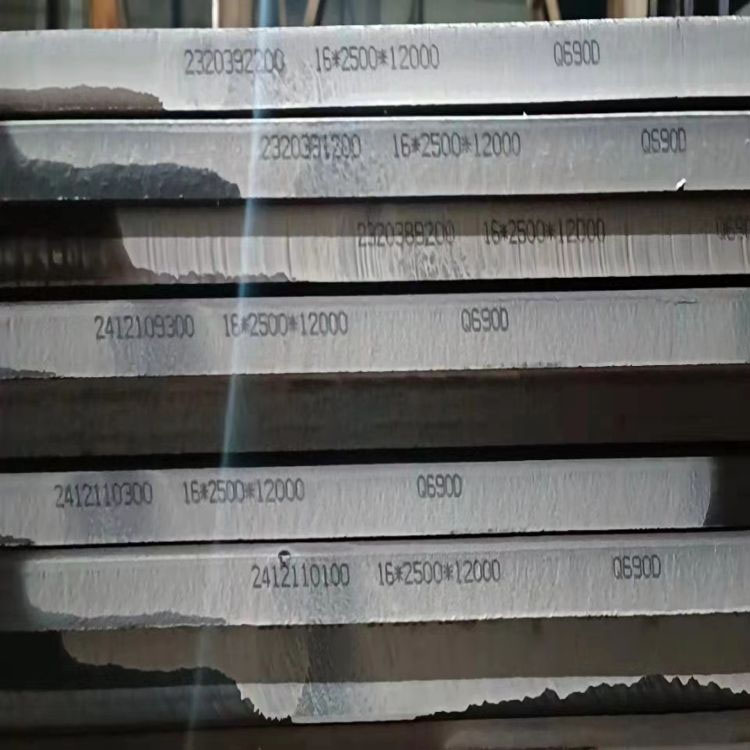
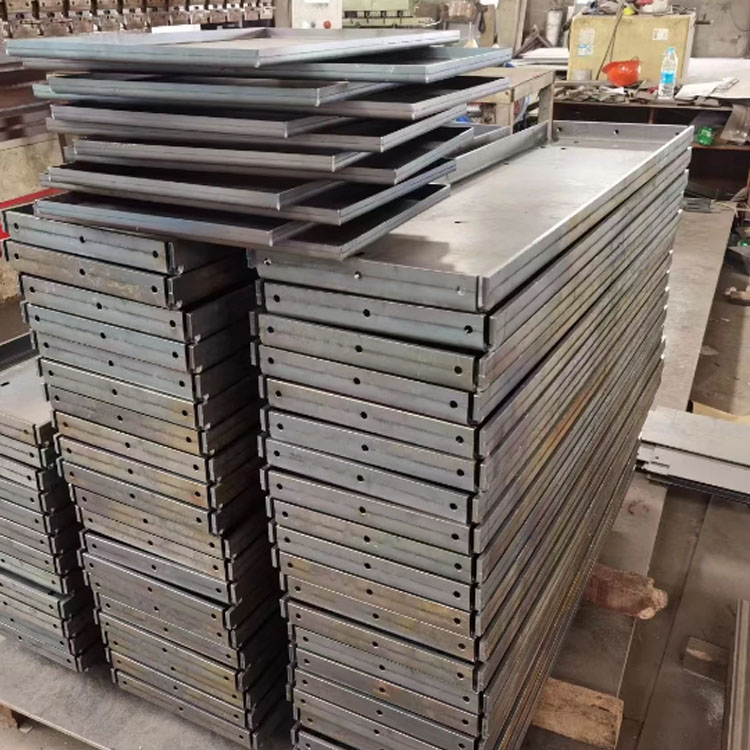
A105Round SteelIt's from the United States.ASTMStandard NumberARepresents ordinary carbon structural steel. Standard name: Forging of carbon steel for pipeline components. As this standard only specifies one type of carbon steel forging,A105It's essentially a forging carbon steel grade.A105Material Code,It belongs to special steel, a type of cold-forged steel.A105It is a low-carbon steel forgings, which is20Steel is similar. There are two standards, one is the American standard “ASTM A105/A105MCarbon Steel Forgings for Pipeline Components, and the second is the Chinese Standard <GB/T12228-2006 "Technical Conditions for Carbon Steel Forgings of General Valves"
A105Round steel in stock, available in various specifications.A105Round steel from Huai Steel, Lai Steel, Changqiang, Zhongtian, and Xinxing Pipe.A105Heat-rolled process, in accordance with U.S.ASTMStandard, fully replaceable domestically20#Steel, widely used in the manufacturing of high-pressure vessels and petrochemical piping, valves, and flanges, 6-meter fixed length (partial)Irregular specifications)
A105Material heat treatment process:
1. Annealing process: Heat the steel workpiece toAc3+30~50Degrees orAc1+30~50Degrees orAc1After the following temperatures (refer to relevant materials), the material is generally cooled slowly in the furnace.2.Proper heating operation method: Heat the steel parts toAc3OrAccmAbove30~50Cool at a slightly higher rate than the annealing rate after insulation.
2. Quenching operation method: Heat the steel parts to the transformation temperatureAc3OrAc1Above,保温 for a period, then rapidly cool in water, nitric salt, oil, or air. Purpose: Quenching is generally done to achieve a high hardness martensitic structure. In some cases, when quenching certain high-alloy steels (such as stainless steel, abrasion-resistant steel), the goal is to obtain a single, uniform austenitic structure to enhance wear resistance and corrosion resistance.
3. Hardening operation method: Reheat the quenched steel parts toAc1At a certain temperature, after insulation, cool in air or oil, hot water, or water.
4. Hardening and tempering operation method: After quenching, high-temperature tempering is called hardening and tempering, which means heating the steel workpiece to a higher temperature than during quenching.10~20Degrees of temperature, after insulation, quenching is performed, then400~720Tempering at a specific degree of temperature.
5. Time-sensitive Operation Method: Heat the steel components to80~200Degree, thermal insulation5~20Hours or longer, then remove from the furnace and cool in the air. Purpose:1.Maintain the stable microstructure of steel parts after quenching, reducing deformation during storage or use.2.Reduce internal stress after quenching and grinding, ensuring stable shape and dimensions.
6. Remove after achieving uniform temperature and cooling to room temperature.
7. Flame hardening operation method: Using a flame from oxygen-acetylene mixed gas combustion, the steel surface is quickly heated by喷射. Once the quenching temperature is reached, water is immediately sprayed to cool down.
8. Inductive heating surface hardening operation method: Place the steel part in the inductor, induce an eddy current on the surface of the steel, heat it to quenching temperature in a very short time, and then spray water for cooling.
9. Carbonitriding Method: Place the steel part into the carbonitriding medium, heat to900~950Achieve and maintain temperature to enable the steel surface to obtain a certain concentration and depth of carbon diffusion layer.
10 Nitriding procedure: Utilizing in5..~600Active nitrogen atoms released during the timing gas decomposition saturate the steel surface, forming a nitrided layer.

询价单


