

PET (polyethylene terephthalate) is a widely popular plastic, commonly used in the production of plastic bottles, packaging materials, and textiles. Due to its versatility, durability, and lightweight nature, PET has gained global recognition, leading to massive consumption and a continually expanding market.

At the same time, the amount of PET waste requiring recycling is also on the rise. Recycling PET waste is essential, as it not only occupies landfill space but also causes pollution when it enters the natural environment. Recycling helps mitigate these negative impacts and extend the lifespan of plastics, as these materials come from finite resources and their production process consumes a significant amount of energy.

A method of recycling PET is to directly melt it to produce new PET. The issue is that processing colored PET in this manner results in poor material quality and extremely limited recyclability potential.
The process for PET recycling is chemical depolymerization.
However, chemical depolymerization can only produce BHET (bis-hydroxyethyl terephthalate), EG (ethylene glycol), and oligomers.
To fully tap into the recycling potential of BHET and EG, separation and purification of these substances are required.

A continuous vacuum distillation process is employed to obtain pure BHET and EG.
This distillation process is quite challenging, requiring a high level of expertise and complex design. The process includes the following two steps:
EG (Ethylene Glycol) Film Distillation
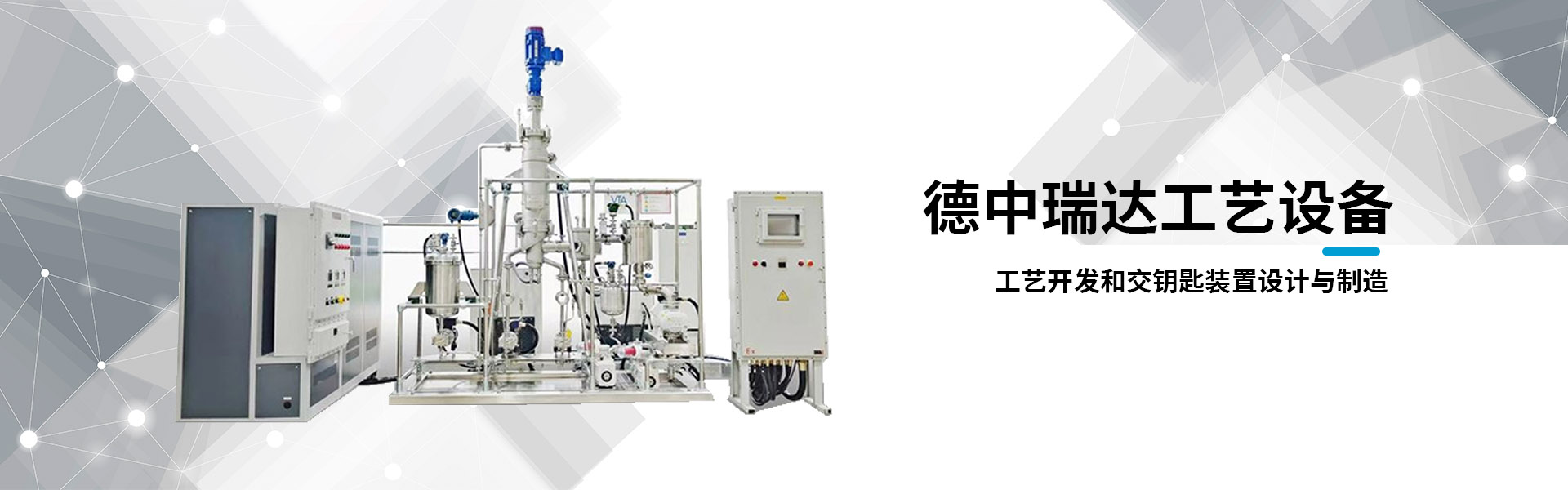
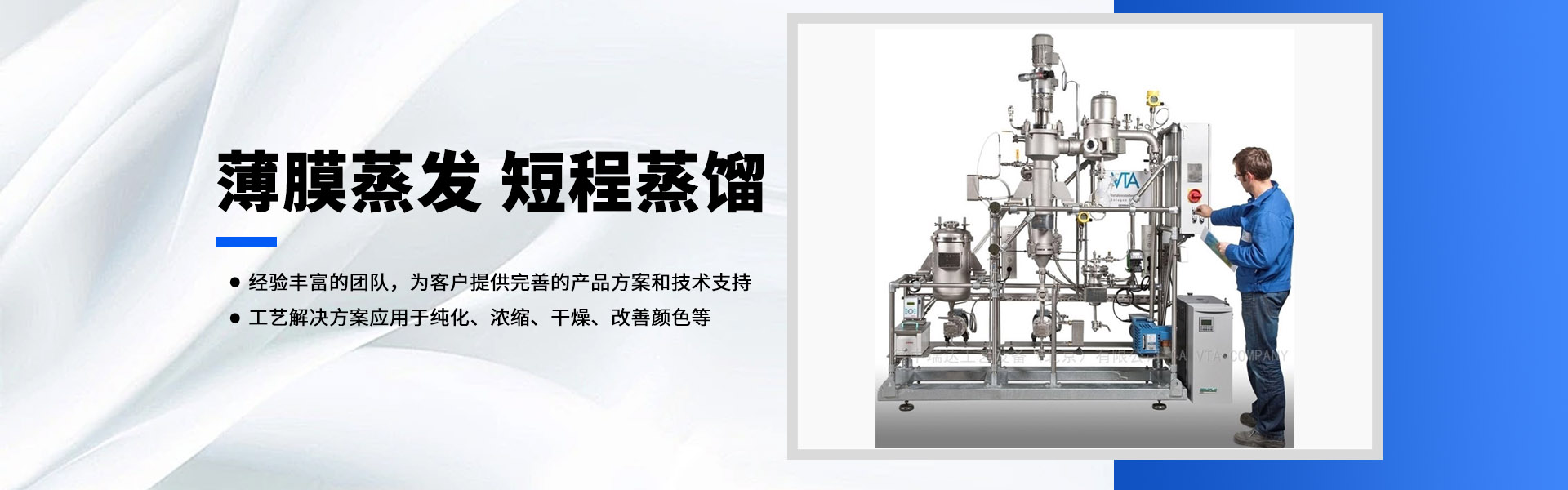
BHET's short-path distillation, which is used to separate it from oligomers and other impurities, is characterized by short residence time and extremely low operating pressure.

In the distillation process of BHET, a particular challenge is that it tends to form deposits easily in the evaporator, cold trap, and vacuum system. As BHET is a light phase distillate with a melting point of 110°C, the condensation system also requires high-temperature insulation. VTA has developed special processes and components to address this issue, significantly reducing equipment downtime for cleaning.

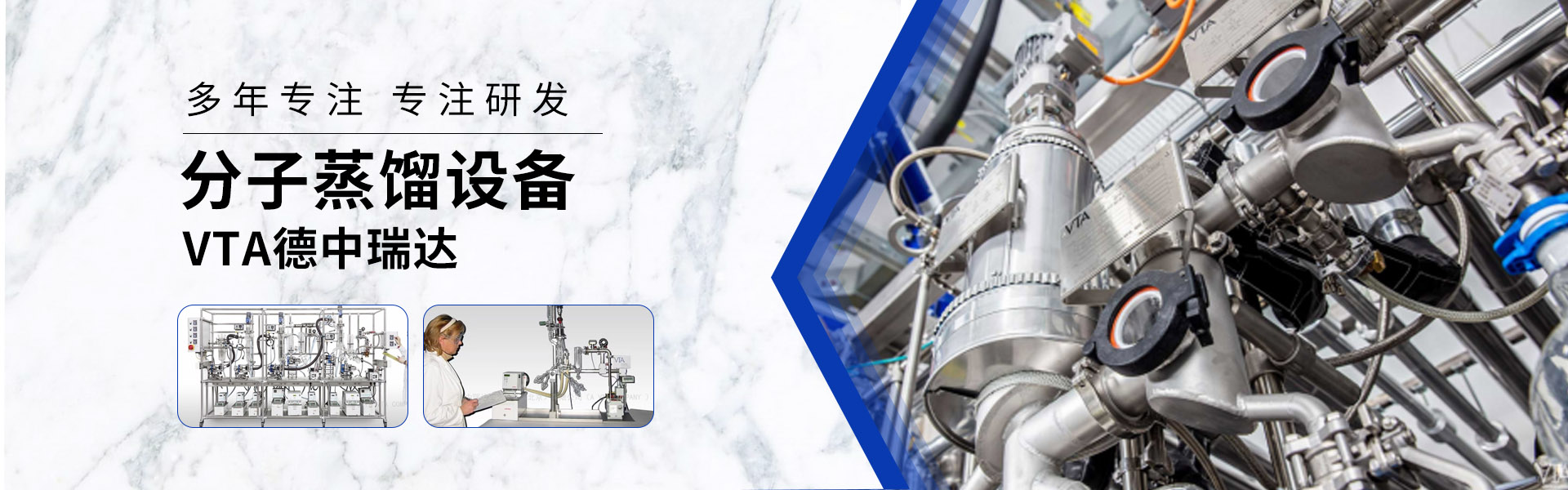
At VTA, our experts, with over 70 years of experience, provide customized equipment of various scales to meet diverse distillation needs. We operate two advanced technology centers, collaborating closely with clients throughout the process development stage. We jointly determine the distillation technology, evaluate ideal distillation parameters through laboratory and pilot plant testing for each specific requirement. Based on the test results, we perform scale-up design to create personalized industrial-scale distillation systems. We also supply such equipment to global clients for pilot and small-scale production, assisting them in their own process development and optimization.

Let's tackle your next distillation challenge together!
