
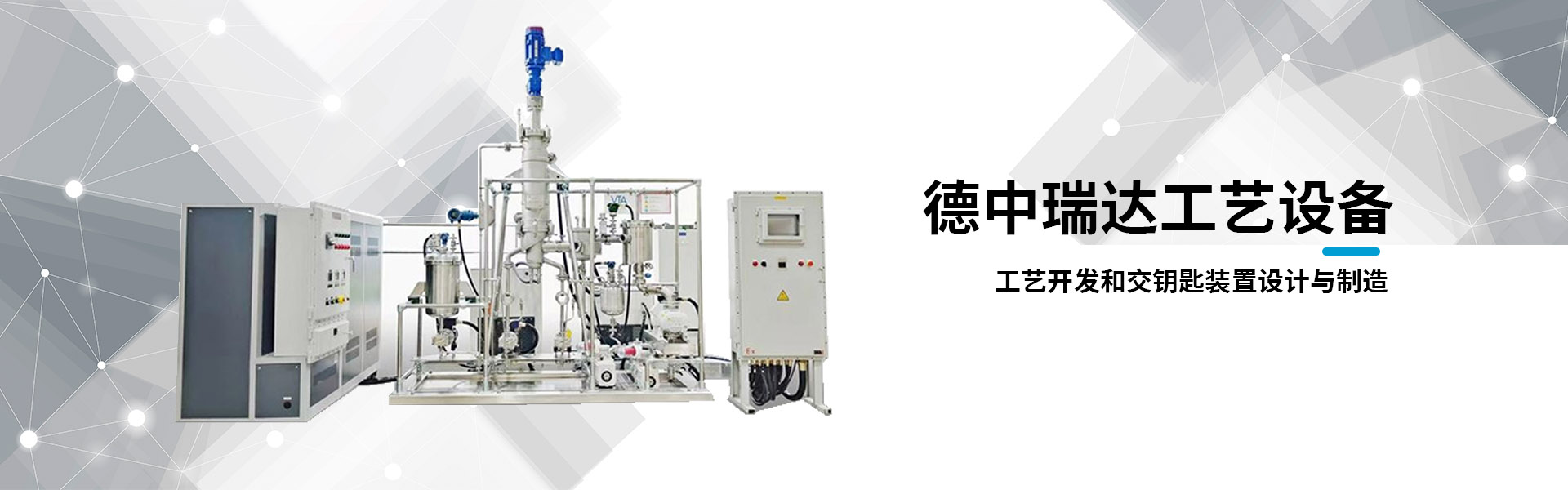
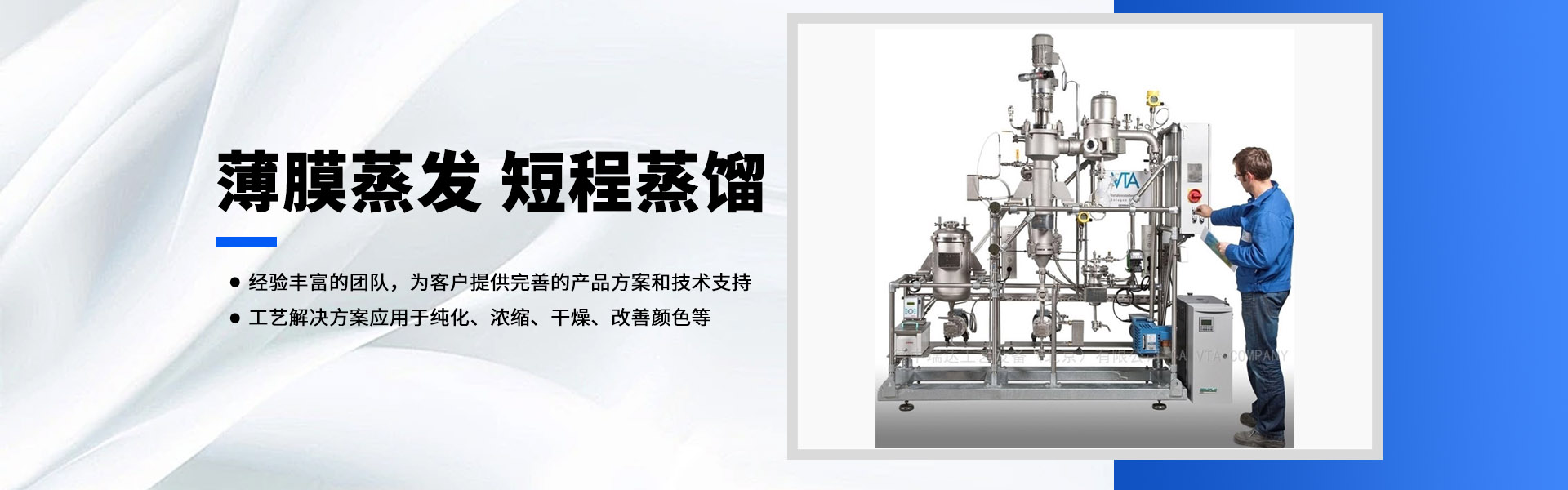
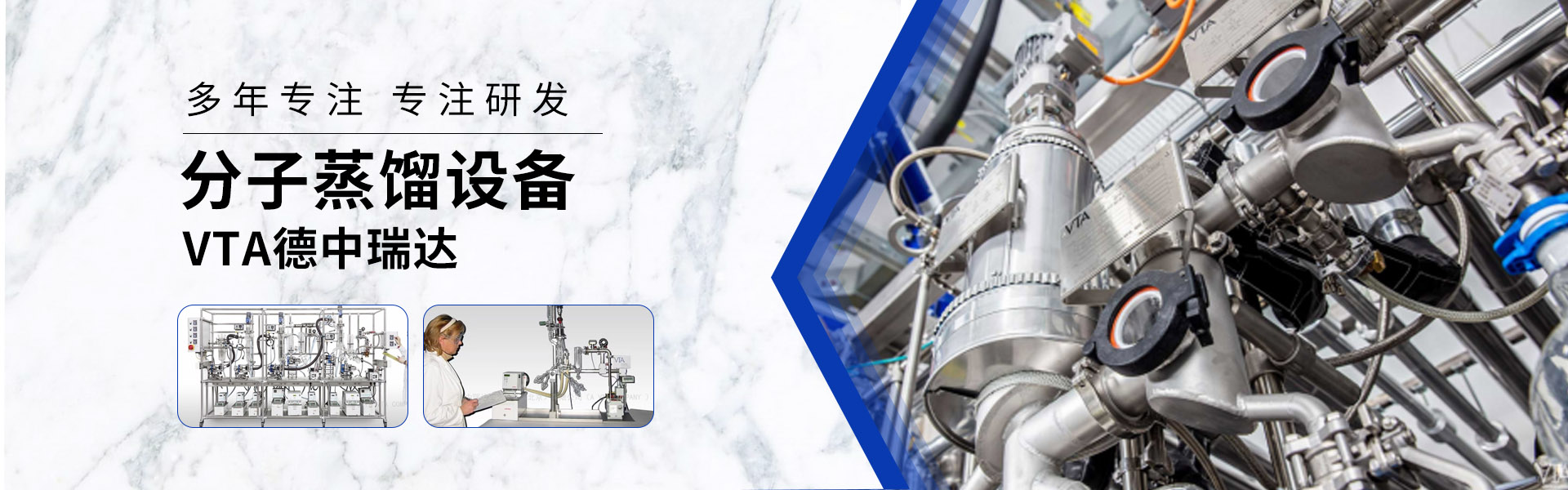

Molecular distillation equipment is a critical instrument used for purifying high-purity substances in both laboratory and industrial production settings. It primarily utilizes the characteristic of different molecules to evaporate and condense under heating and high vacuum conditions to achieve separation. This equipment is widely applied in purification and separation processes in the fields of fine chemicals, oil refining, food additives, and spices. As the equipment often handles high-value or sensitive materials, proper operation and maintenance are not only crucial for ensuring the long-term stability and efficiency of the equipment but also the foundation for ensuring laboratory safety and product quality. Detailed analysis as follows:
I. Routine Maintenance
1. Cleaning and Maintenance: Each UseMolecular Distillation EquipmentFollowing usage, it is essential to clean the internal and external surfaces as well as critical components, such as heaters, condensers, and receiving flasks. This prevents cross-contamination between subsequent experiments and aids in maintaining the proper functioning of the equipment.
2. Inspect Electrical Connections: Regularly check all electrical connections and wiring to ensure there is no wear or looseness. This helps prevent electrical failures and ensures the safety of both equipment and operators.
3. Lubricate Moving Parts: Follow the manufacturer's instruction manual to regularly apply lubricant to the moving parts of the equipment to maintain optimal performance and reduce wear.
Regular inspections
1. Functional Testing: Regularly conduct functional tests on equipment to inspect the operational status of key components such as heaters, cooling systems, and vacuum systems, ensuring all functions are normal and can be scheduled according to the manufacturer's recommended schedule.
2. Safety Inspection: Verify that the safety valves, pressure gauges, and other critical safety components of the equipment are in good working condition to ensure the safety of the equipment during operation.
3. Preventive Maintenance: Implementing preventive maintenance procedures, such as regularly replacing wear-and-tear components like seals and filters, can reduce the likelihood of unexpected equipment failures.
III. Proper Operation
Pre-start preparations: Before activating the equipment, carefully inspect all components for any damage and ensure that auxiliary devices such as vacuum pumps are in good working order.
2. Operational Standards: Operate strictly according to the equipment's manual, avoid arbitrarily altering the set temperatures and vacuum levels, and prevent equipment damage or safety incidents due to improper operation.
3. Real-time Monitoring: During the operation of the equipment, continuous monitoring of the temperature, pressure, and vacuum levels should be conducted to ensure these parameters remain within safe and appropriate ranges.
Section 4: Emergency Response and Training
1. Emergency Response Plan: Develop a detailed emergency response plan, including procedures for handling fires, equipment malfunctions, and operational errors, to ensure swift response in emergency situations.
2. Operator Training: Regularly conduct safety operation and equipment maintenance training for operators to ensure each operator is proficient in the correct use of equipment and emergency response techniques.
In addition, after familiarizing yourself with the aforementioned content, here are some other points to keep in mind:
Always wear appropriate personal protective equipment, such as lab coats, gloves, and goggles, during operations and maintenance to prevent direct contact with hazardous materials.
Avoid using highly corrosive cleaners to clean equipment to prevent damage to the surface and internal structure.
3. Equipment should be stored in a dry, well-ventilated environment to prevent damage from high temperatures and humidity.
4. For equipment not used for an extended period, it should be cleaned, stored properly, and checked regularly to prevent component aging or damage.
Overall, the maintenance and care of molecular distillation equipment is a systematic process that requires a combination of specific operational guidelines, regular inspections, and emergency response measures. Through strict maintenance and care procedures, the reliability and safety of the equipment can be significantly improved, ensuring the accuracy of experimental results and extending the lifespan of the equipment. Proper maintenance is not only an investment in the equipment but also in the success and safety of the entire experiment.
