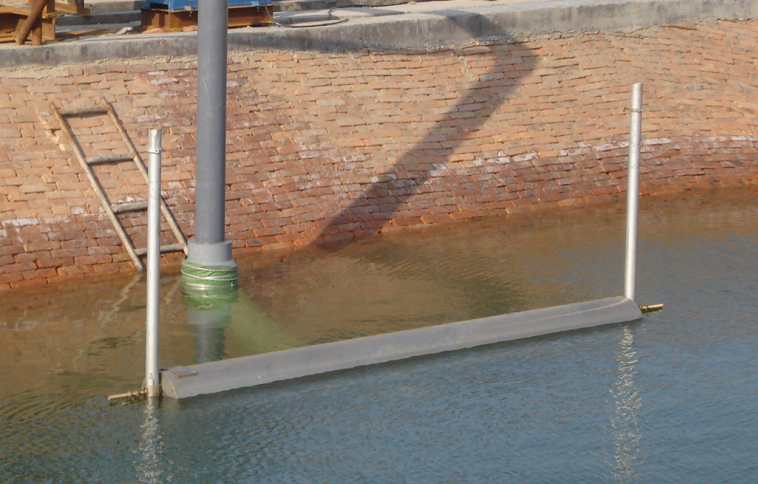
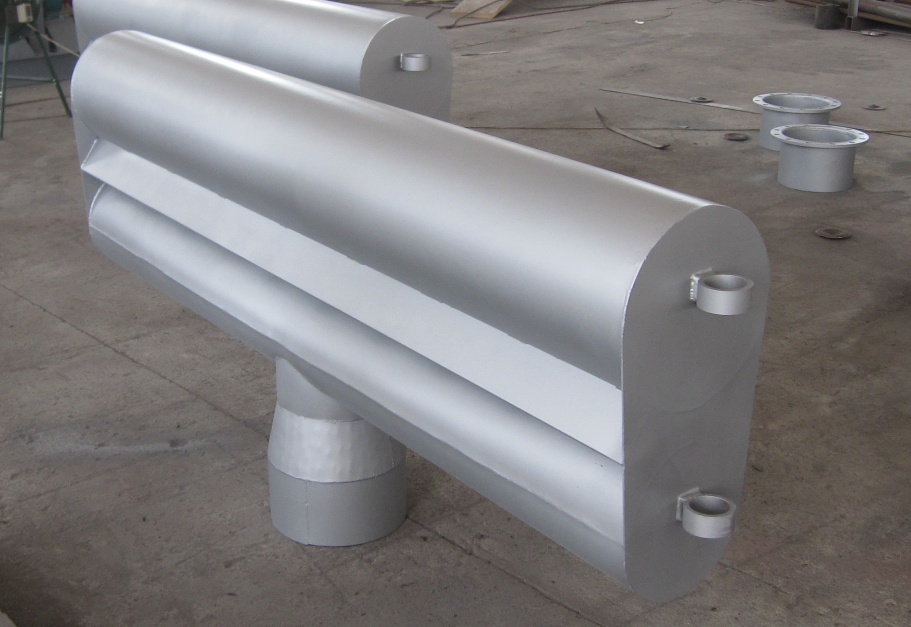
The non-powered skimmer, also known as the buoyant skimmer, features a simple structure and is primarily composed of a buoyant cylinder, skimming pipe, hose, connector, and bracket. Its working principle is based on gravity, buoyancy, and flow pressure, resulting in exceptional stability with no need for operation or maintenance, and zero energy consumption. Unlike conventional buoyant skimmers, such as rotating or sleeve skimmers, which rely on the spring force, mechanical force, electricity, control components, and sealing friction, these skimmers are complex in design. They not only require energy consumption and routine maintenance but also pose risks of incorrect operation, mechanical failures, and malfunctioning control components.
The composition of a decanter typically includes a water collection device, a connecting device, and a transmission device. The water collection device features baffles, an inlet channel, and floats, which serve to collect the clarified liquid after treatment into the decanter and then discharge it through a conduit. Due to the large instantaneous flow rate during decanting, it is essential to ensure the smooth passage of water while also preventing disturbance to the settled sludge within the reactor and, more importantly, avoiding the sludge from being discharged with the water. Therefore, the design of the water collection device is crucial, especially in siphon self-flow decanters.
The draining valve's connection device is another critical component. The draining valve must continuously rotate during drainage, requiring its connection device to ensure both freedom of movement and密封 integrity. The transmission mechanism of the draining valve is crucial for its proper operation, whether hydraulic or mechanical. It must be integrated organically with the automatic control system, utilizing programmed automation to control the draining action.
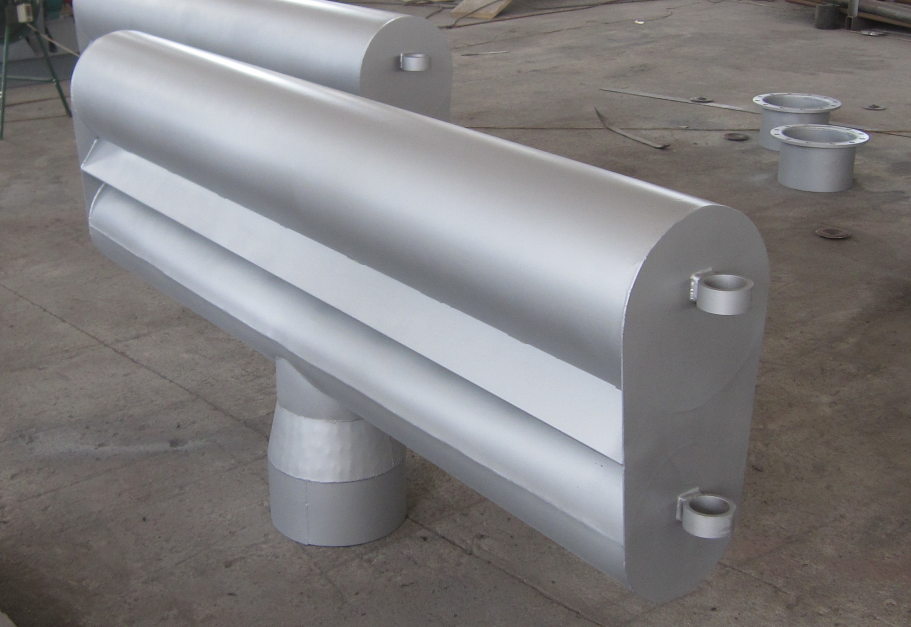
The Tilt Plate Dewatering Skimmer was developed and manufactured by our company based on the digestion of foreign technology, specifically designed for SBR (Sequential Batch Reactor) biological treatment systems, featuring excellent hydraulic and mechanical properties. It ensures a laminar flow of water entering the effluent weir during the dewatering process, allowing adjustable dewatering depth and thus, adjustable effluent volume. It is a key equipment for the cyclic activated sludge process.PS-IIIThe Type Push Rod Rotating Dewatering Valve features adjustable stroke, excellent dewatering performance, sensitive and reliable operation, low energy consumption, noiseless operation, high degree of automation, convenient centralized management, compact size, low failure rate, and easy maintenance. It is widely applicable in wastewater treatment for urban sewage treatment plants, papermaking, beer production, leather manufacturing, food processing, garbage disposal, and other industries.
Model and Specifications
Model Specifications and Technical Parameters | XB-100 | XB-200 | XB-300 | XB-400 | XB-500 | XB-600 | XB-700 | XB-800 | XB-1000 | XB-1200 |
Processing Volume (M3/H) | 100 | 200 | 300 | 400 | 500 | 600 | 700 | 800 | 1000 | 1200 |
Motor Power (kW) | 0.37 | 0.37 | 0.55 | 0.55 | 0.75 | 0.75 | 1.1 | 1.1 | 1.5 | 1.5 |
Flow Rate (r/min) | 65 | 65 | 65 | 65 | 65 | 65 | 65 | 65 | 65 | 65 |
Yan Chang (m) | 1 | 2 | 3 | 4 | 5 | 6 | 7 | 8 | 10 | 12 |
Dewatering Depth (mm) | 3000 | 3000 | 3000 | 3000 | 3000 | 3000 | 3000 | 3000 | 3000 | 3000 |
Pipe Diameter (mm) | 150 | 220 | 250 | 300 | 350 | 400 | 420 | 450 | 500 | 600 |
Technical Specifications of WB Type Self-Draining Skimmer:
Model: WB150~WB2500
Flow Rate: 150~2,500 cubic meters/hour
Water Spill Depth: Less than 3/3.4 meters
Export Diameter: 200~800mm
Introduction to the XB Type Rotary Dewatering Strainer
The XB Sump Strainer is a cutting-edge wastewater treatment equipment developed by our company based on the absorption and integration of domestic technologies. It is an indispensable piece of equipment for the Sequential Batch Reactor (SBR) process and its derived processes (ICEAS, DAT-IAT, CASS, UNITANK, MSBR). The unit operation of the wastewater treatment, operating in a cyclic manner through four stages—water intake/aeration, sedimentation, drainage, and idle—utilizes the sump strainer in the third stage to remove the supernatant from the reaction tank, achieving the purpose of automatic control and cyclic operation. It is widely applied in wastewater treatment projects for municipal, textile, dyeing and finishing, petrochemical, food, papermaking, metallurgy, and other industries. It can also be used in other unit operations requiring the removal of supernatant liquids.