
 PPT Plastic Modular Rainwater Retention Basin
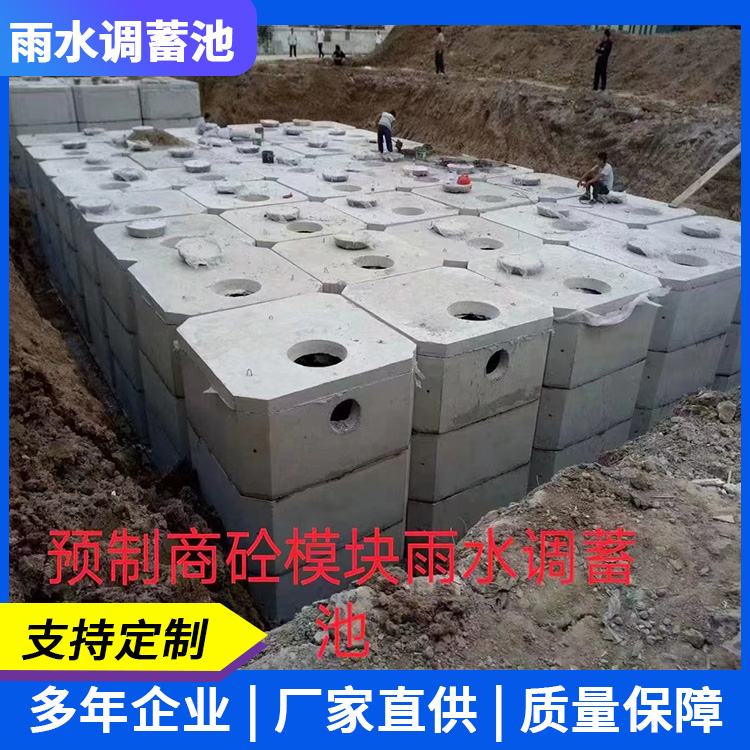 Pre-cast Concrete Modular Rainwater Retention Pond
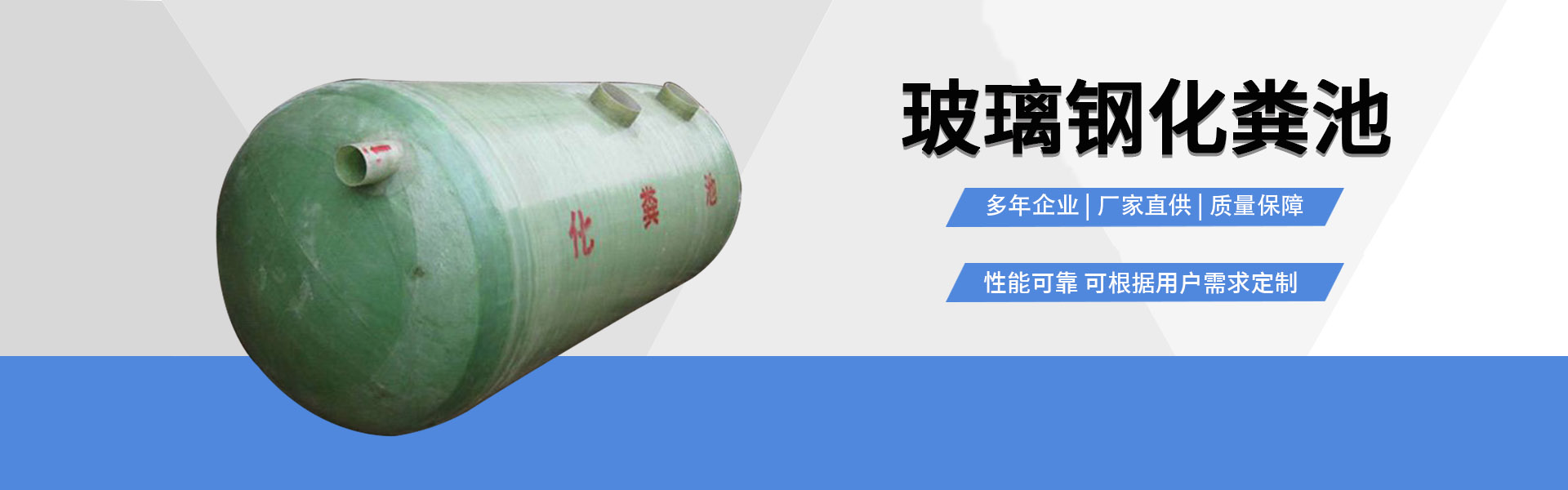
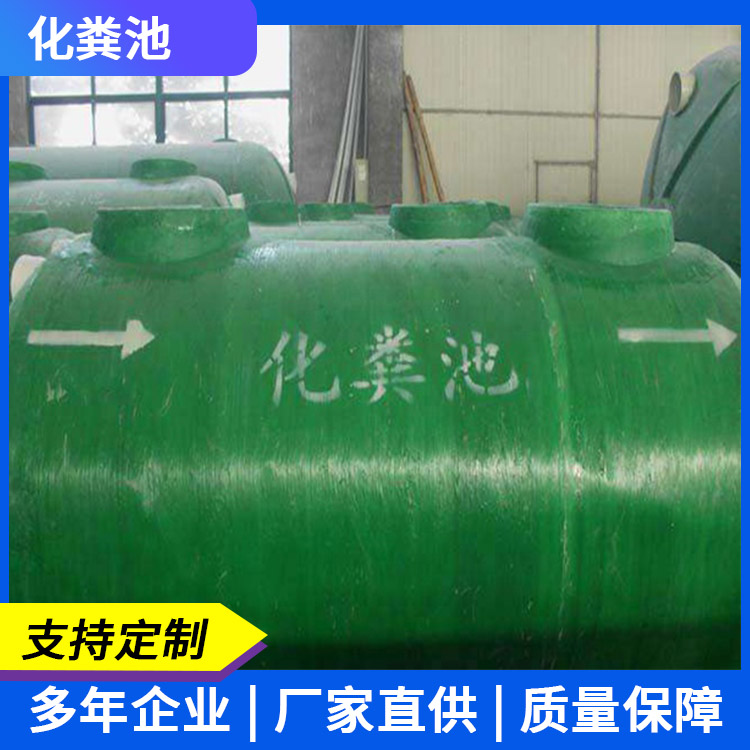 Glass-fiber Reinforced Plastic (GRP) Septic Tank
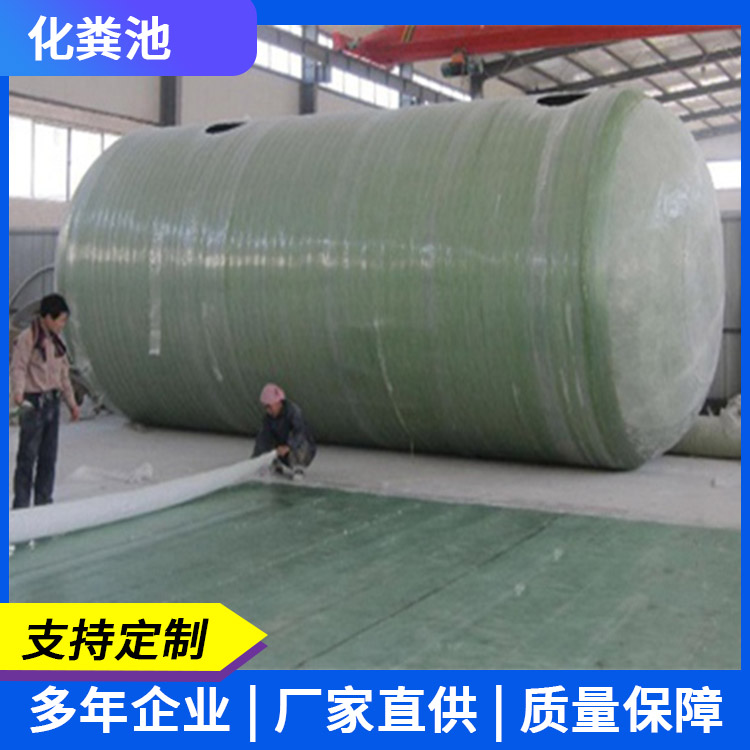 Glass-fiber Reinforced Plastic (GRP) Septic Tank
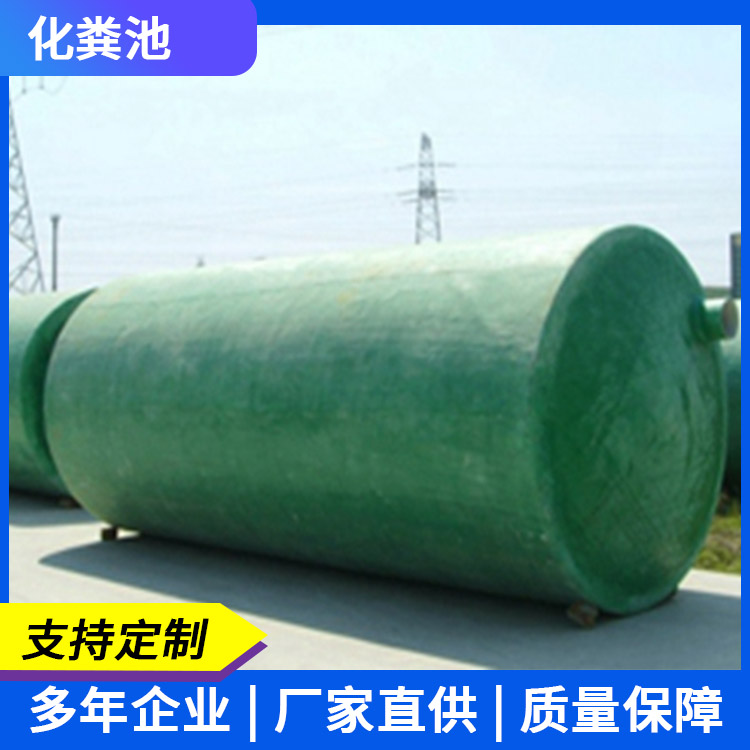 Glass-fiber Reinforced Plastic (GRP) Septic Tank
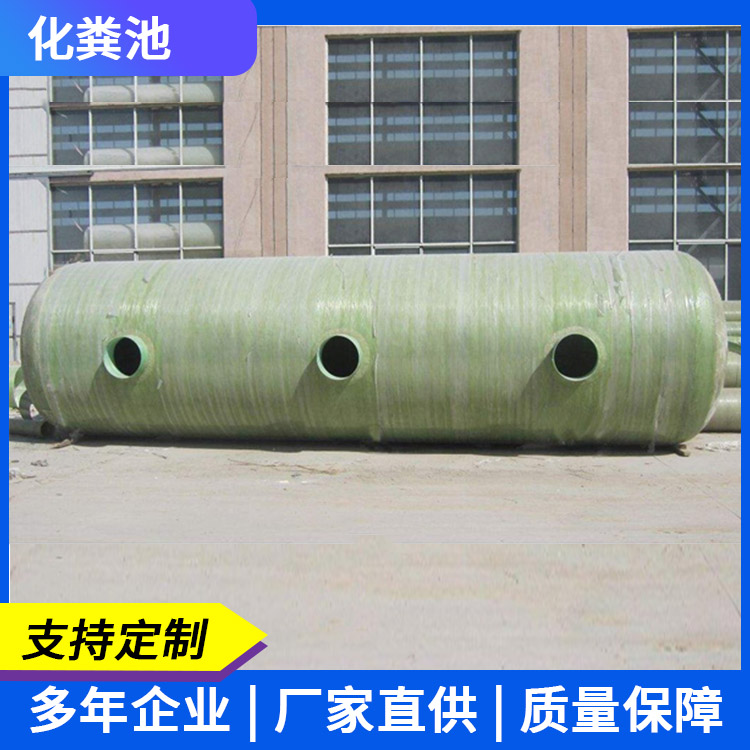 Glass reinforced plastic septic tank
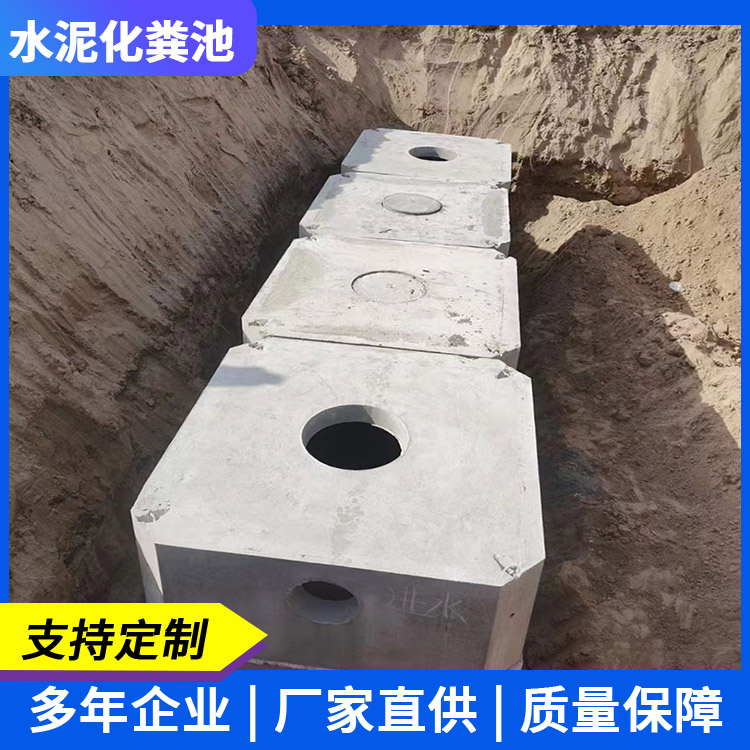 Cement septic tank
Product Details

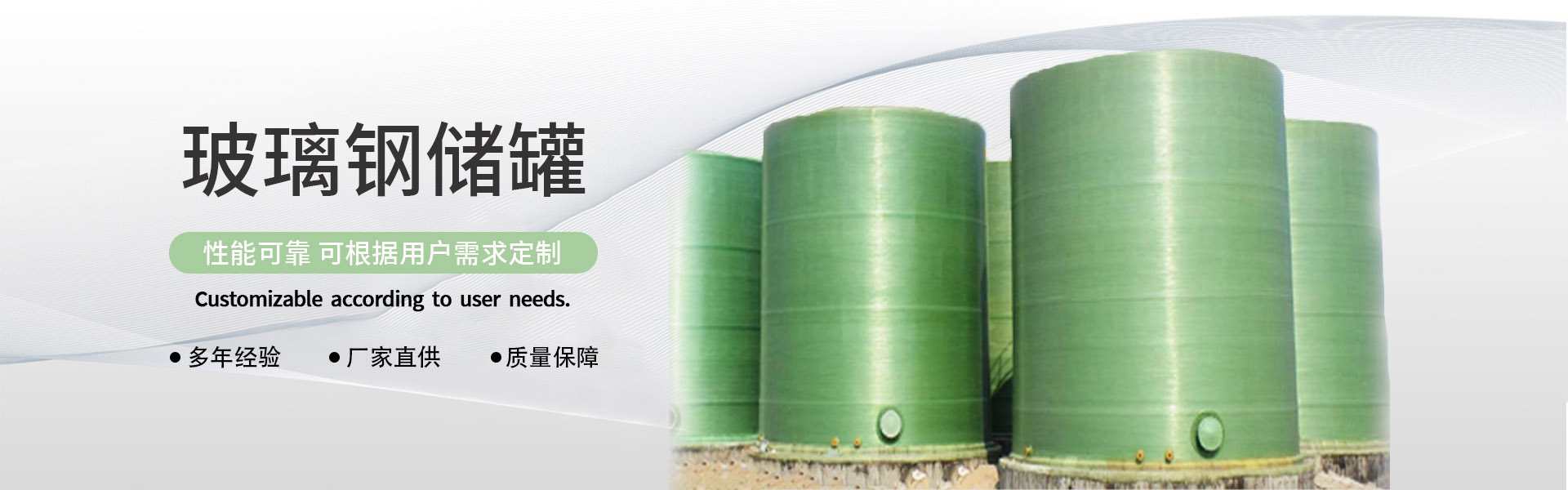
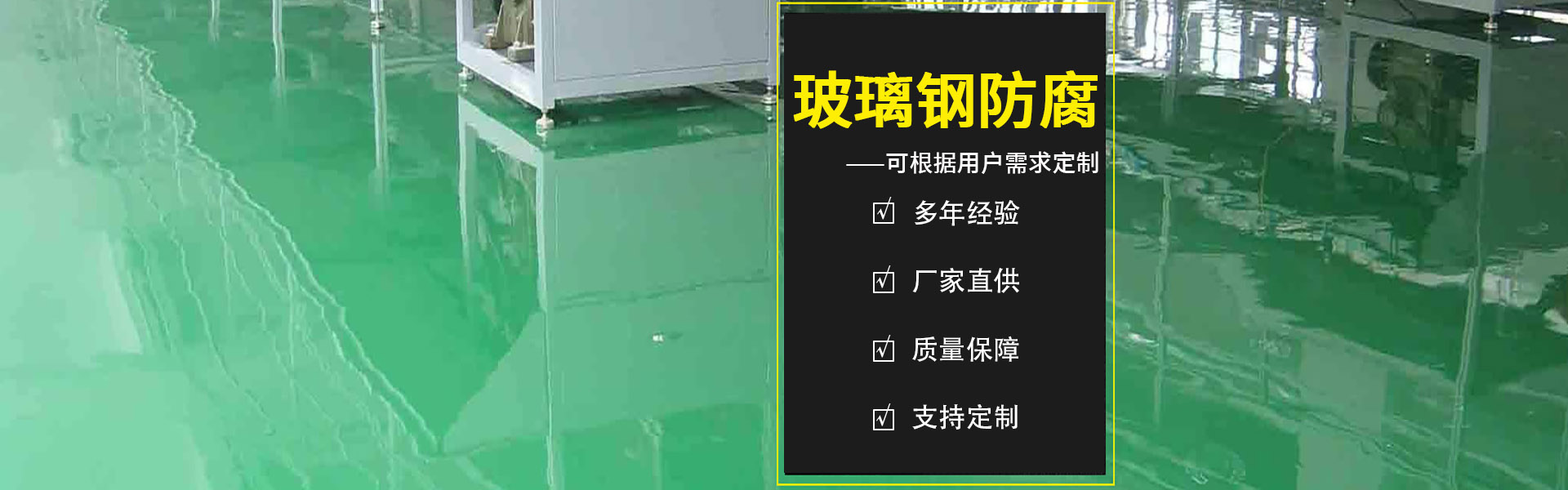
Fiberglass Reinforced Plastic (FRP) Corrosion Protection | FRP Storage Tanks ...


产品Price Negotiable
最小起订Quantity:1 cubic meters 供货总Quantity: 20000 cubic meters


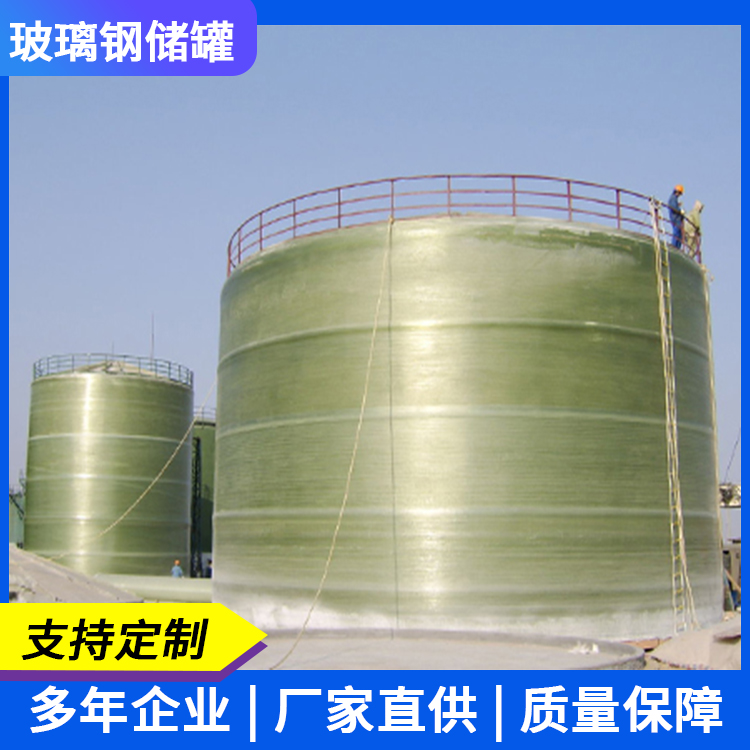
I. Overview of Glass-Fiber Reinforced Plastic Storage Tanks Fiberglass storage tanks are a type of fiberglass product, primarily made by wrapping a reinforced material of glass fiber with a resin binder, all controlled by a microcomputer to create a new composite material. These tanks are known for their corrosion resistance, high strength, lightweight, and long lifespan. Thanks to their flexible design and strong processability, they can be adapted for use in various industries such as chemical and environmental protection, gradually replacing most of the market domains of carbon steel and stainless steel. Section II: Glass Fiber Reinforced Plastic (GFRP) Storage Tank Classification Fiberglass storage tanks can be categorized by shape into vertical tanks, horizontal tanks: by size, into standard tanks and field-wound large tanks; by pressure, into pressure tanks and vacuum tanks, etc. III. Characteristics of Glass-Fiber Reinforced Plastic Storage Tanks (1) Lightweight and high-strength Glass fiber reinforced plastic (GFRP) has a relative density between 1.5 and 2.0, which is only 1/4 to 1/5 of carbon steel, yet its tensile strength is nearly equal to, and even exceeds, that of carbon steel, with a specific strength that can rival high-grade alloy steel. (2) Excellent corrosion resistance FRP is an excellent corrosion-resistant material, offering strong resistance to atmospheric conditions, water, and general concentrations of acids, alkalis, salts, as well as various oils and solvents. It has been applied in all aspects of chemical corrosion prevention. (3) Excellent thermal properties FRP has a low thermal conductivity, only 1/100 to 1/1000 of metal, making it an excellent insulating material. (4) Excellent craftsmanship ① We can flexibly choose the molding process based on the shape, technical requirements, application, and quantity of the product. ②Simple process, allowing for one-time molding, with significant cost-effectiveness. Particularly highlighted for products with complex shapes, difficult to form, and in small quantities, its process superiority is even more pronounced.

Phone Consultation